
Offshore platforms and heavy plants face tough weather every day. Keeping structures safe needs good planning and simple diagnostic tools. Modern inspection tools give engineering teams clear sight into hidden structural risks before failures happen. New technologies help site managers keep critical tools working safely and smoothly. Simple adjustments now prevent expensive emergency repairs later.
 Follow us
 Follow us
Tackling Severe Degradation of Marine Structures
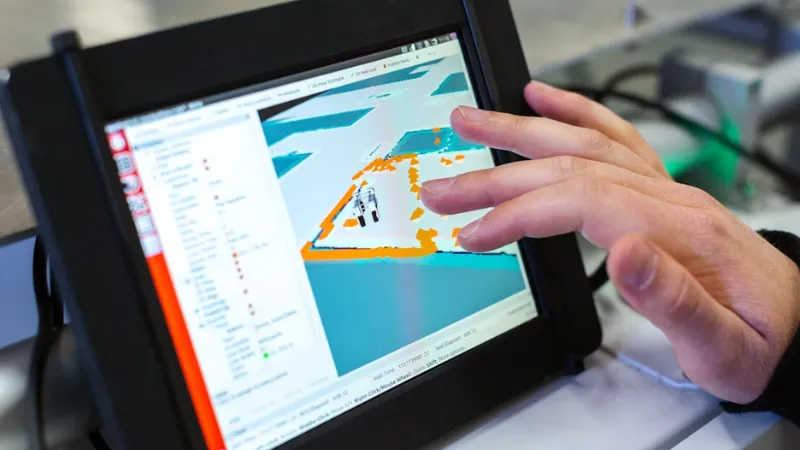
Marine assets deal with harsh salt spray and open air continuously. Working alongside splash zone tooling experts allows offshore teams to send mechanical crawlers and scanners directly onto vulnerable steel legs. These smart tools capture clear corrosion maps without stopping plant operations. Field teams collect accurate data in minutes instead of spending days on manual checks.
Saltwater splash zones represent harsh spots across offshore operations. Industry guidelines from energy research groups show how wet and dry cycles thin out metal fast[cite: 1]. Modern testing tools help monitoring teams track metal thickness long before safety gets risky. Early alerts protect high-value assets from sudden structural failure. Site supervisors gain total peace of mind.
Connecting Field Inspections To Smart Management Frameworks
Gathering field data forms one step in keeping work safe. An industry asset guide points out that integrity management connects routine checks, tool safety, and work plans into one decision-making framework. Work teams use unified software to turn field notes into clear repair schedules. Quick updates stop delays between field crews and management.
RECOMMENDED FOR YOU



Field technicians rely on clear digital steps to keep operations running across complex sites. Modern asset management relies on several key digital tools:
- Remote sensors track live movement levels and structural stress.
- Predictive software models guess part wear using old service logs.
- Digital twin systems are creating accurate 3D models of physical gear.
Software programs process thousands of data points every hour to flag early equipment wear. Modern managers use these simple alerts to plan repair budgets months ahead. Clear scheduling avoids financial surprises during annual reviews.
Deploying Autonomous Robotics In Extreme Environments
Human divers face real danger when inspecting structures in rough waters. Operational reports on offshore tech state that robotic systems in splash zones are becoming standard components of modern offshore maintenance strategies. Remote crawlers clean marine growth off steel legs and take exact thickness tests. Robotic tools work well in rough seas that stop human divers completely.
Robotic tools keep workers safe and make measurements far more accurate. Operations managers get clean data directly on surface screens. Fast access to clear numbers makes daily safety checks much easier. Service teams save $50,000 on each inspection job by cutting crew deployment costs.
Maximizing Infrastructure Lifespans With Proactive Diagnostics
Unplanned stops drain cash reserves and disrupt supply chains across heavy industries. High-tech scanners give engineers deep insights into small cracks and stress build-up before damage appears. Early detection gives asset managers time to order custom parts without paying extra rush fees. Simple maintenance extends asset lifespan by 10 to 15 years.
Smart tools turn reactive repairs into smooth maintenance steps. Plant teams protect big capital investments by keeping gear running at peak capacity for decades. Modern diagnostic tools give engineering teams full control over project costs and work timelines. Precise gear ensures every dollar spent delivers strong structural safety.
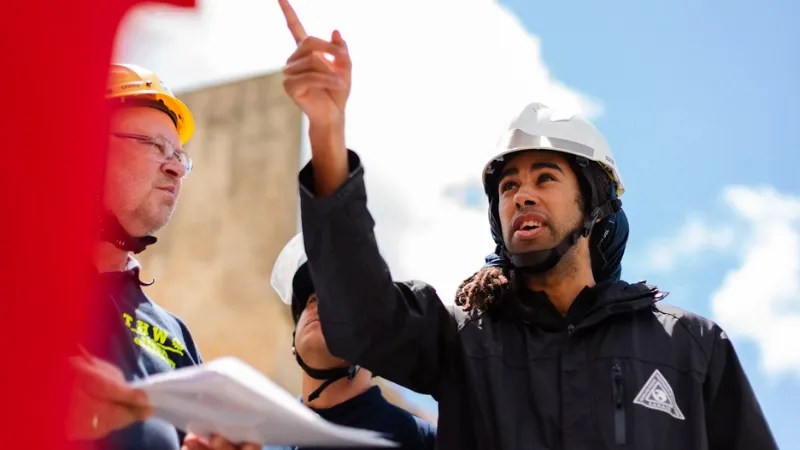
Upgrading inspection tools changes how teams protect big assets. By joining field robotics with unified data platforms, site managers stop costly downtime and extend tool life. Investing in modern engineering tools builds strong operations ready for harsh work sites.
Recommended Stories for You

Startuprise Apr 25, 2026

Startuprise Jul 24, 2026
Startuprise Apr 9, 2026

Startuprise Jul 11, 2026

Startuprise Jul 23, 2026

Startuprise Jul 2, 2026
Trending Stories

From SaaS to Smart SaaS: How AI Integration Is Reshaping Modern Products

Startup Founders Managing Focus and Consistency Challenges
Lifestyle Changes to Consider After an Injury

The Importance of Maintaining Your Commercial Building’s Roof

How To Scale Your Startup And Protect Your Bottom Line

The Future Of Operational Resilience In High-Growth Sectors

How Colorado’s Startup Boom Is Reshaping Commercial Spaces

How to Overcome Fear and Start Investing Today

