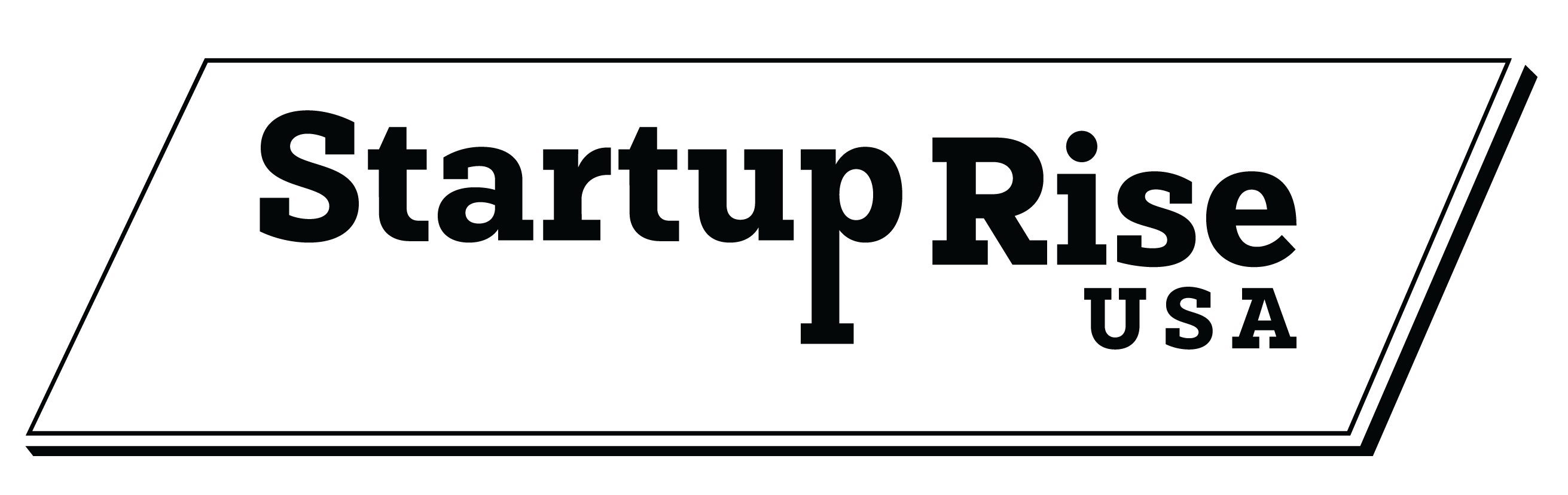

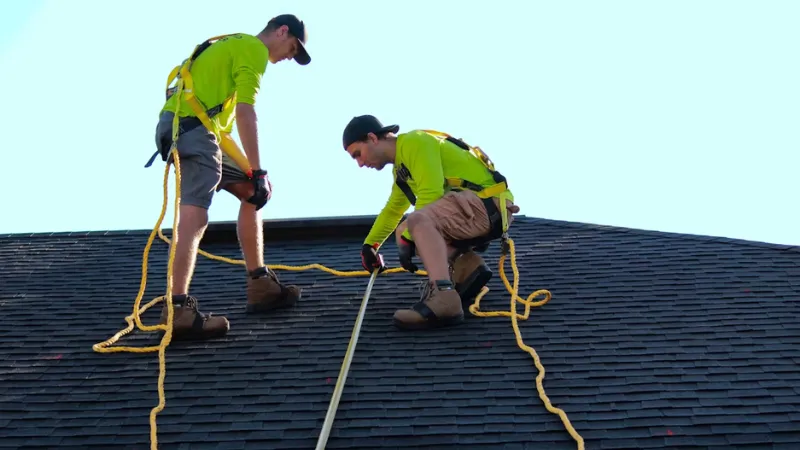
Building a growing enterprise requires constant focus on protecting physical assets, inventory, and everyday operational infrastructure. A modern roof serves as the primary barrier against harsh weather, unexpected structural threats, and costly facility downtime. Upgrading an aging commercial overhead system helps safeguard expensive equipment, sensitive computer hardware, and valuable team workplaces. Investing in structural updates creates long-term financial stability and prevents emergency repair bills during peak business operations.
 Follow us
 Follow us
Partnering With Commercial Roofing Specialists
When physical property needs long-term overhead protection, working with expert contractors makes a massive difference for business owners. Hiring experienced commercial roofers gives property managers direct access to specialized structural assessments and high-performance materials. Professional teams help identify hidden structural weaknesses long before heavy rain causes expensive interior disruptions. This proactive approach saves companies thousands of dollars in emergency structural repairs.
Skilled contractors install advanced membrane systems designed for high commercial foot traffic and extreme climate shifts. Modern installations prevent standing water, seal perimeter flashing, and shield internal technical infrastructure. Proper installation by trained crews keeps facility operations running smoothly throughout every season.
Preventing Interior Water Damage and Mold
A secure overhead barrier protects sensitive company records, expensive machinery, and inventory stored inside commercial facilities. One major industry report noted that top-quality overhead installations keep structures dry and secure, stopping leaks that cause water damage, mold growth, and structural decay. Moisture accumulation inside drywall or insulation degrades wooden framing, ruins electrical wiring, and creates health hazards for employees.
RECOMMENDED FOR YOU
Small Businesses Can Benefit From Long-Lasting Commercial Flooring
Startuprise
Jul 24, 2026
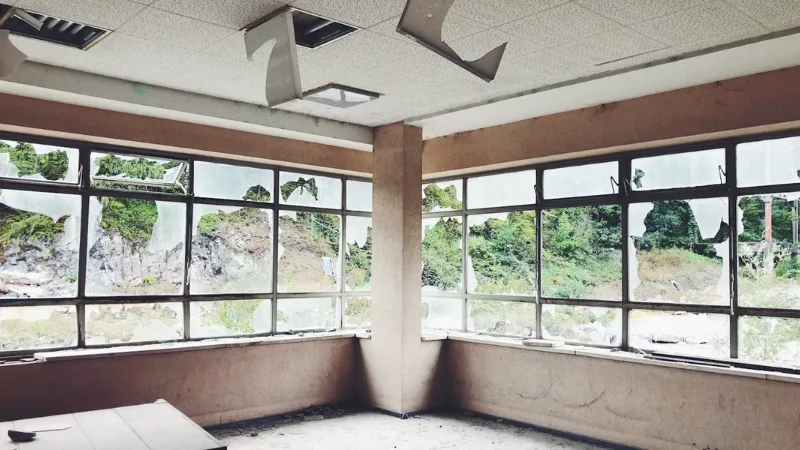
Preventing moisture entry preserves internal air quality and protects interior tenant improvements across multi-story properties. Dry environments maintain healthy indoor air standards for workers and visitors throughout daily business shifts. Building owners avoid structural decay by maintaining tight moisture seals across every square foot.
Safeguarding Structural Integrity
Addressing minor surface defects quickly maintains total building strength across changing seasonal shifts. A roofing study pointed out that fixing minor issues quickly prevents massive complications from compromising structural stability. Small punctures or cracked flashing quickly develop into severe structural decay when heavy rain saturates commercial roofing decks.
Regular professional checks allow facilities teams to repair minor membrane wear before structural support beams sustain damage. Timely roofing maintenance keeps structural decking dry, strong, and capable of supporting heavy rooftop climate control units. Facility leaders preserve the total asset value of their real estate through consistent protective care.
Avoiding Operational Disruptions and Lost Revenue
Unforeseen roof failures stall daily operations, delay customer deliveries, and trigger severe financial losses for growing companies. A regional roofing analysis highlighted that failing structural overheads damage inventory, wreck property, cause lost workdays, and force unplanned repair costs. When water leaks onto production floors or corporate offices, operations stop immediately until cleanup crews arrive.
Planned system upgrades protect corporate balance sheets against sudden emergency expenditures and unscheduled downtime. A commercial services publication noted that fixing leaks early prevents interior damage and operational disruption. Scheduled upgrades allow management to plan construction without disrupting active client projects or daily employee workflows.
Modern Energy Savings and Reflective Materials
Upgrading commercial roof surfaces directly lowers monthly operational costs through advanced thermal performance. Energy efficiency guides show that reflective cool roof coatings lower cooling energy usage by up to 15% in commercial buildings. Modern materials reflect solar radiation into the atmosphere instead of absorbing heat into office spaces below.
Recent building survey data revealed that over 45% of facility managers prioritized energy-efficient roof insulation during major replacement projects throughout 2025. Thicker insulation boards reduce heating loss during the winter months, keeping indoor climate control systems running efficiently. Lower utility bills free up operational capital that founders can redirect toward hiring and market expansion.
Here are the major operational benefits gained from upgrading commercial roofing systems:
- Lower monthly utility bills from improved thermal insulation and heat reflection.
- Stronger defense for expensive machinery, digital servers, and stored product inventory.
- Reduced risk of emergency closures and revenue losses caused by sudden interior leaks.
- Long-lasting material warranties that offer predictable long-term facility maintenance costs.
Extending Facility Lifespan With Superior Warranties
Long-term structural stability depends on choosing high-performance materials backed by solid manufacturer guarantees. Structural trade news explained that cool roofing tech reduces energy costs by up to 15%, and enhanced warranties of 20 to 30 years provide reliable long-term protection. Extended coverage gives property owners peace of mind regarding future replacement costs.
Consistent maintenance schedules maximize the full lifespan of any updated commercial structure. A property maintenance report revealed that regular maintenance of commercial roofs prevents costly repairs and extends total roof lifespan. Routine checks remove debris, clear drainage paths, and keep protective coatings functioning at peak levels.
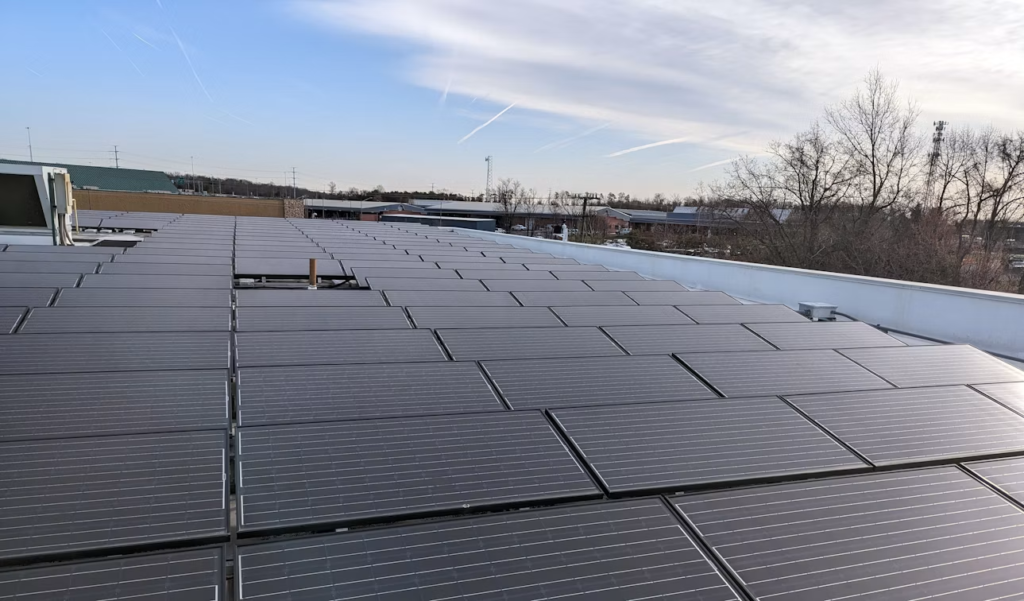
Protecting company property requires proactive investments in physical facility safety. Updating commercial roofing structures shields physical assets, reduces monthly energy bills, and stabilizes long-term maintenance budgets. Founders who prioritize roof upgrades secure their operations against unexpected weather events and build a strong foundation for business growth.
Recommended Stories for You

Startuprise Apr 8, 2026
Startuprise May 20, 2026
Startuprise Apr 24, 2026
Startuprise Apr 18, 2026
Startuprise Mar 30, 2026
Startuprise Jul 13, 2026
Trending Stories

Mail In Your Diecast Race Car

How Reputation Management Influences Business Growth in Competitive Markets

7 Marketing Strategies for High-Growth Startups
Building Your First Premises: Choosing Smart Infrastructure

Why Every Business Website Should Have a Blog

Why Browser Security Matters More Than You Think for Startup Founders
Future-Proofing Hardware: Precision Tech for Tech Founders
Why Your Business Needs Local IT and Managed Services Support

