
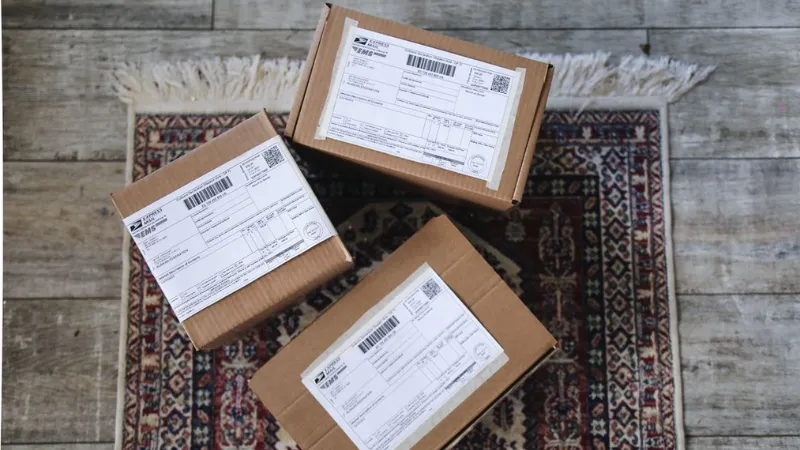
Manufacturing facilities dump tons of extra packaging material into waste streams every single day. Modern factory managers seek practical ways to cut down on material waste without slowing production speed. Smart adjustments to everyday shipping containers yield big reductions in garbage across plant operations.
 Follow us
 Follow us
Streamlining Bulk Material Storage With Liners
Industrial processing plants handle thousands of gallons of liquid ingredients every single week. Fitting durable drum and pail liners keeps storage containers completely clean while preventing chemical residue from sticking to interior walls. Washing steps drop off dramatically when plant operators swap protective inserts between batch runs.
This simple operational shift protects expensive steel drums from rust and harsh chemical erosion. Reusable outer vessels stay active in distribution loops for years instead of ending up in scrap metal yards. Facilities save thousands of dollars on drum replacement costs each year.
Clean liners prevent cross-contamination between distinct batches of paints, adhesives, or liquid food products.
RECOMMENDED FOR YOU

How New SaaS Platforms Are Reducing Financial Stress for Community Boards
Startuprise
Nov 25, 2025

How Modern SaaS Platforms Use QR Codes to Drive User Onboarding and Growth
Startuprise
Aug 13, 2026

Why Contract Intelligence Is Becoming Essential for Modern Construction Teams
Startuprise
Mar 19, 2026
Worker safety improves when hazardous chemical cleanouts are no longer required on the shop floor. Eliminating liquid washwater runoff helps facilities meet strict municipal wastewater standards.
Eliminating Excess Material In Package Design
Designing oversized shipping containers creates massive volumes of unnecessary cardboard waste across industrial supply chains.
Research published by the World Wildlife Fund indicates overpackaging occurs when companies use excessive materials, wasting valuable natural and economic resources. Right-sizing outer boxes keeps items secure while trimming useless bulk from shipping pallets.
Custom fitting outer boxes to match product dimensions slashes protective inner fill requirements.
Packing stations consume far fewer foam inserts and plastic bubble wraps during final assembly steps. Freight efficiency improves instantly, letting delivery trucks transport more items on every route.
Automated box-making machines cut custom corrugated containers on demand for incoming orders. Eliminating empty air space inside packages keeps items from shifting during transport. Reduced box dimensions lower dimensional weight charges from commercial freight carriers.
Transitioning To Reusable Bulk Containers
Single-use wooden pallets and corrugated boxes create constant disposal headaches for receiving warehouses. Heavy-duty plastic totes withstand hundreds of round trips between facilities without structural failure.
Closed-loop delivery networks replace stackable cardboard boxes with sturdy plastic crates that wash clean in minutes.
Plant teams save valuable floor space by collapsing empty return bins flat against dock walls. Internal logistics run smoother when workers count on standardized container sizes across every assembly station.
Standardized dimensions make stacking inventory safer for forklift operators inside distribution hubs. Durable plastic containers protect sensitive electronic components from moisture damage during ocean transport.
Long-term storage costs fall when packaging materials withstand multiple years of harsh factory use. Sturdy construction prevents product crushing during long trips over rough roads.
Integrating Recyclable Polymer Components
Plastics play a major role in modern product transport systems across global distribution networks.
Environmental data published by the European Union shows 40% of plastics used across the EU go straight into packaging applications. Sustainable facility updates must focus directly on plastic waste reduction strategies.
Switching toward single-polymer packaging simplifies recycling processes at sorting centers. Complex multi-layer films force facilities to discard mixed wraps into municipal landfills.
Single-polymer stretch films allow material recovery centers to melt down and reprocess used plastics without contamination issues.
Clear labeling on plastic films helps warehouse staff separate recyclable materials correctly. Clean plastic scrap fetches higher resale values when sold to local recycling processors.
Meeting Customer Demand For Eco-Friendly Practices
Buyers actively hold manufacturers accountable for environmental footprints connected to product delivery.
Industry research from the Forest Stewardship Council reveals 82% of shoppers across all age groups express willingness to pay more for products with sustainable packaging. Eco-friendly packaging choices protect corporate reputation while driving customer retention.
Visible waste reduction campaigns demonstrate clear environmental responsibility to commercial partners.
Retail buyers reward sustainable suppliers with prime shelf space and long-term contract renewals. Sustainable brand positioning creates a distinct market advantage against regional competitors.
Plant managers implement several core strategies to lower total packaging waste:
- Lightweighting corrugated boxes reduces total material weight before shipping.
- Plant-based peanuts replace traditional styrofoam cushioning materials inside crates.
- Water-activated paper tape replaces standard plastic packing tape across fulfillment lines.

Optimizing Stretch Wrapping On Assembly Lines
Automated stretch wrapping machinery applies uniform tension across stacked shipping pallets, avoiding excessive film usage.
Precision sensors measure pallet dimensions accurately to apply exact wrap counts for every load height. Production lines reduce film consumption by 30% through calibrated machine settings.
Regular packaging audits uncover hidden waste points along packing lines where workers use extra tape unnecessarily.
Training line staff on standardized wrapping protocols prevents material loss across daily shifts. Well-wrapped pallet loads suffer fewer transport damages during long-distance transit.
Adopting practical packaging solutions allows manufacturing plants to lower operating costs while protecting natural resources.
Smart material selection, container reusability, and right-sized packaging eliminate tons of scrap from municipal landfills. Sustainable plant operations build cleaner supply chains for future industrial growth.
Recommended Stories for You
Startuprise Jul 16, 2026

Startuprise Jan 28, 2026

Startuprise Dec 19, 2025

Startuprise Apr 2, 2026

Startuprise Apr 8, 2026

Startuprise Jun 26, 2026
Trending Stories

From SaaS to Smart SaaS: How AI Integration Is Reshaping Modern Products

Startup Founders Managing Focus and Consistency Challenges

Lifestyle Changes to Consider After an Injury

The Importance of Maintaining Your Commercial Building’s Roof

How To Scale Your Startup And Protect Your Bottom Line

The Future Of Operational Resilience In High-Growth Sectors

How Colorado’s Startup Boom Is Reshaping Commercial Spaces

How to Overcome Fear and Start Investing Today

