

How to Build a Successful Print-on-Demand Business in 2026
Aug 5, 2026 | By Devin Jacobs

 Follow us
 Follow us
One of the easiest ways to launch an online store with minimal initial investment is to start a print-on-demand (POD) business. There’s no need to fret about managing your inventory, renting storage space, or making a hefty initial investment to begin selling customized products online.
In 2026, starting a print-on-demand business is not easy. Today, it is more competitive, but it also offers many opportunities. So it is important to understand that the key to success isn't just uploading a few designs and starting to sell.
To build a successful print-on-demand business, select an appropriate niche and design products that meet consumer demand.
If you’re wondering where to start, this article will walk you through every step of the process and help you build a print-on-demand business that has the potential to grow in 2026 and beyond.
What Is a Print-on-Demand Business?
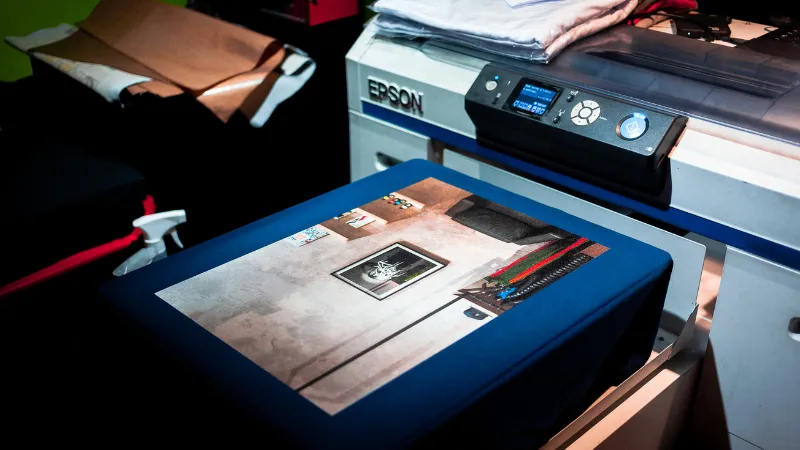
Print-on-demand is an eCommerce business model where products are created only after a customer places an order. Instead of buying inventory upfront, you partner with a print provider that prints, packs, and ships each product directly to your customer.
How does Print on Demand work?
When a customer places an order, the print-on-demand supplier automatically handles printing, packing, and shipping.
This model removes several of the financial risks associated with conventional retail. As prior inventory purchases are unnecessary, you can trial new concepts without incurring a large investment. When a design underperforms, you can easily swap it out for another one without concern for unsold inventory.
Why Print-on-Demand Is Still Worth Starting in 2026
While some individuals think the print-on-demand market is oversaturated, demand for personalized products continues to grow. Every day, millions of shoppers are on the lookout for one-of-a-kind gifts, personalized clothing, and imaginative home décor.
RECOMMENDED FOR YOU

TheSindi.com: Growing Digital Platform for Informative Content
Devin Jacobs
May 15, 2026

Telegram SMM Panel Services: Quick Way to Grow Your Channel in 2026
Devin Jacobs
May 25, 2026

Hardware Device Brand Crowd Compass on Shark Tank USA Season 17
Devin Jacobs
Jan 22, 2026
The greatest opportunity is not only in selling but in targeting a specific audience. Stores that focus on a specific niche such as pet lovers, fitness enthusiasts, teachers, gamers, travelers, or small business owners often outperform those that aim to appeal to a broad audience.
Step 1: Choose a Profitable Niche
One of the biggest mistakes beginners make is trying to sell products to everyone.
Instead, focus on a specific niche with passionate buyers. People are far more likely to purchase products that reflect their hobbies, interests, professions, or personalities.
Some highly demanding print-on-demand niches are:
- Pet owners
- Fitness enthusiasts
- Teachers
- Nurses and healthcare workers
- Gamers
- Coffee lovers
- Travelers
- Gardeners
- Book lovers
- Small business owners
- Outdoor enthusiasts
- Car and motorcycle fans
Building a brand around a clear niche makes it easier to attract loyal customers and stand out from generic online stores.
Step 2: Find the Right Print-on-Demand Supplier
Your supplier plays a huge role in your business. Even the best designs won’t help if products arrive late or with poor print quality.
Fortunately, there are several trusted print-on-demand companies that integrate directly with popular eCommerce platforms.
When comparing suppliers, pay attention to:
- Print quality
- Product selection
- Shipping times
- International delivery options
- Production costs
- Customer support
- Return policies
Ordering product samples before launching your store is always a smart idea. It allows you to inspect the print quality, packaging, colors, and overall customer experience. Since your supplier represents your brand, you want every order to leave a positive impression.
Step 3: Create Designs That People Actually Want
Many beginners believe that to succeed with print-on-demand, they need to hire a professional graphic designer. However, doing so does not ensure success.
What matters most is designs that connect with your target audience. A simple, clever quote or minimalist graphic often performs better than an overly complicated design.
Step 4: Set Up Your Online Store
After choosing your niche, supplier, and designs, it’s time to build your online store.
Lots of beginners choose Shopify because it’s beginner-friendly, while others prefer Etsy to leverage its existing customer base. WooCommerce is another excellent option for those who want greater control over their website.
No matter which platform you choose, keep your store clean and easy to navigate. High-quality product photos, detailed descriptions, and clear pricing help build trust with potential buyers.
Your homepage should clearly explain what your store offers and who it’s for. Strong branding—including a memorable logo, consistent colors, and professional-looking images—can make a big difference in how customers perceive your business.
A polished online store not only increases credibility but also encourages visitors to become paying customers.
Step 5: Price Your Products for Profit
Pricing is one of the most challenging parts of running a print-on-demand business. Set prices too low, and your profits disappear. Set them too high, and customers may look elsewhere.
A good pricing strategy takes several costs into account, including production, shipping, marketplace fees, payment processing fees, and advertising expenses.
Instead of competing solely on price, focus on providing value. Customers are often willing to pay more for unique designs, better branding, excellent customer service, and high-quality products.
Step 6: Market Your Print-on-Demand Business
Creating great products is only half the job. If people don’t know your store exists, they can’t buy from you. That’s why marketing is one of the most important parts of building a successful print-on-demand business.
You don’t need a huge advertising budget to get started. Many successful store owners begin by creating content on social media platforms like Instagram, TikTok, Pinterest, Facebook, and YouTube.
Email marketing is another powerful strategy. Encourage visitors to subscribe by offering a discount or free shipping on their first order. Over time, your email list can become one of your most valuable business assets, as it lets you reach customers without relying entirely on paid advertising.
Common Mistakes New Print-on-Demand Sellers Make
- Quit too early
- Choosing a niche that’s too broad.
- Uploading dozens of random designs
- Ignoring product quality.
- Relying on a single source of traffic
How Much Does It Cost to Start a Print-on-Demand Business?
One of the biggest advantages of print-on-demand is its low startup cost. Unlike traditional retail, you don’t need to buy inventory upfront or rent storage space.

Costs may include:
- Fees for the website or marketplace
- Domain name registration
- Product samples
- Logo and branding materials
- Social media ads
- Email marketing tools
Is a Print-on-Demand Business Profitable in 2026?
Yes, print-on-demand can still be profitable in 2026. Today’s most successful sellers focus on building a brand rather than just selling merchandise. They understand their audience, create unique designs, provide excellent customer service, and consistently market their business.
However, profit depends on your products, pricing strategy, advertising costs, and suppliers.
While it’s also important to understand that some products generate smaller profits, others, especially premium or personalized items, can deliver much higher margins.
Future of Print-on-Demand
As the technology and consumer preferences change, the print-on-demand industry continues to develop. It is becoming simpler to generate unique designs, compose product descriptions, and enhance customer experiences thanks to artificial intelligence. Concurrently, shoppers are developing a greater interest in personalized items that showcase their personalities and interests.
As online shopping continues to grow, entrepreneurs who focus on quality, creativity, and customer satisfaction will have plenty of opportunities to build successful print-on-demand brands.
Conclusion
To start a print-on-demand business, you don’t need a big investment or any advanced skills. What it needs is patience and consistency.
Instead of chasing only trending products, focus on making a brand for a specific audience. Choose trustworthy suppliers, focus on product quality, and do it continually.
If you approach print-on-demand as a long-term business rather than a quick way to make money, you’ll give yourself a much better chance of building a profitable and sustainable online brand.
FAQs
How much money do I need to start a print-on-demand business?
Do I need design experience to start a print-on-demand store?
Which products sell best in print-on-demand?
Can I run a print-on-demand business from home?
How do print-on-demand suppliers work?
What is the best marketing strategy for a print-on-demand business?
Can I automate my print-on-demand business?
Recommended Stories for You

Devin Jacobs Mar 30, 2026

Devin Jacobs Apr 19, 2026
Devin Jacobs Apr 2, 2026

Team SR Jul 22, 2026

Devin Jacobs Mar 17, 2026

Devin Jacobs Nov 4, 2025
Trending Stories

Webitbgroup com: A Complete Guide and SEO Analysis
PlayBattleSquare Gaming Blog: Tips, Reviews and Strategies for Every Gamer

Is Advertising FeedBuzzard the Future of Digital Advertising?

Billy Carson Net Worth and Biography

How a Collaborative CRM System Improves Communication and Efficiency?

Pressvibepulse Com Review: Features, Safety, and User Experience

Ramtin Abdo: Deep Dive into His Business Success and Private Life

Abraham Quiros Villalba: Inspiring Journey of a Forward-Thinking Visionary Innovator

