

Top 10 Female CEOs in the USA in 2026: Leaders Shaping Corporate America
Sep 3, 2026 | By Devin Jacobs

 Follow us
 Follow us
Women are taking up more space in America’s corporate boardrooms, and 2026 is another important year in that progress. From banking and technology to healthcare, automotive, finance, and logistics, female executives are leading some of the country’s most influential companies.
The numbers are encouraging, too. The 2026 Fortune 500 includes a record number of women CEOs, with women leading roughly 11% of the companies on the list. That is the highest share in the ranking’s history.
But these leaders are interesting for more than simply being women in powerful positions. Each has taken a different route to the top. Some spent decades climbing through their companies, while others built careers across different industries before reaching the CEO role.
Here are 10 of the most prominent female CEOs in the USA in 2026.
1. Jane Fraser – Citigroup
Jane Fraser is one of the most recognizable women in American banking. As chair and CEO of Citigroup, she is responsible for a global financial institution operating across numerous markets.
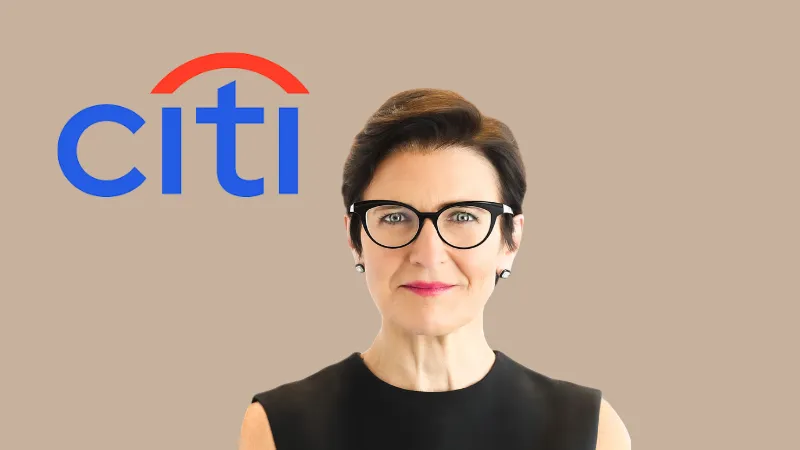
Fraser became Citigroup’s CEO in 2021, making history as the first woman to lead one of America’s major Wall Street banks.
What makes her career particularly interesting is that her leadership comes at a time when traditional banking is being reshaped by technology, changing customer expectations, regulation, and global economic uncertainty.
Fraser has therefore had to balance the demands of running a huge financial institution with the need to make Citi more efficient and competitive.
Her position puts her among the most influential women in American business.
2. Mary Barra – General Motors
Mary Barra is a familiar name far beyond the automotive industry.
As chair and CEO of General Motors, Barra leads one of America’s largest automobile companies and has spent years helping GM navigate a rapidly changing automotive market.
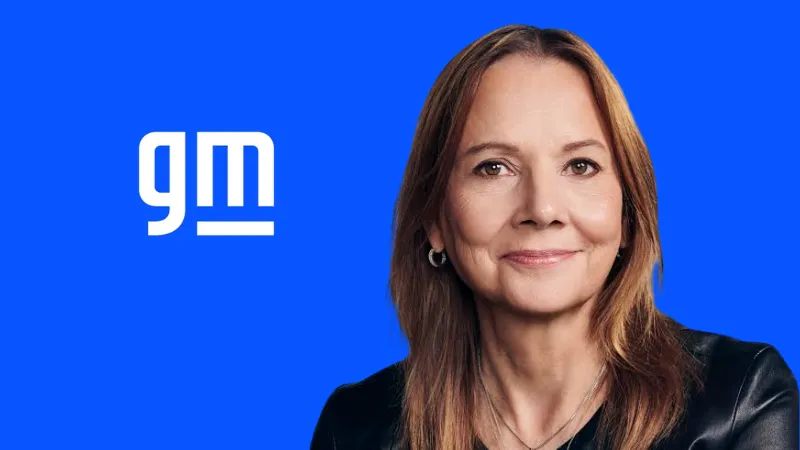
Electric vehicles, batteries, software, autonomous driving, supply chains, and competition from new automotive companies have all changed what it means to run a car company.
Barra’s long career at GM gives her something valuable: an understanding of the company from the inside. She joined the automaker as a co-op student and worked her way through engineering, manufacturing, and management roles before eventually becoming CEO.
3. Lisa Su – AMD
Lisa Su is one of the biggest names in the semiconductor and artificial intelligence industries.
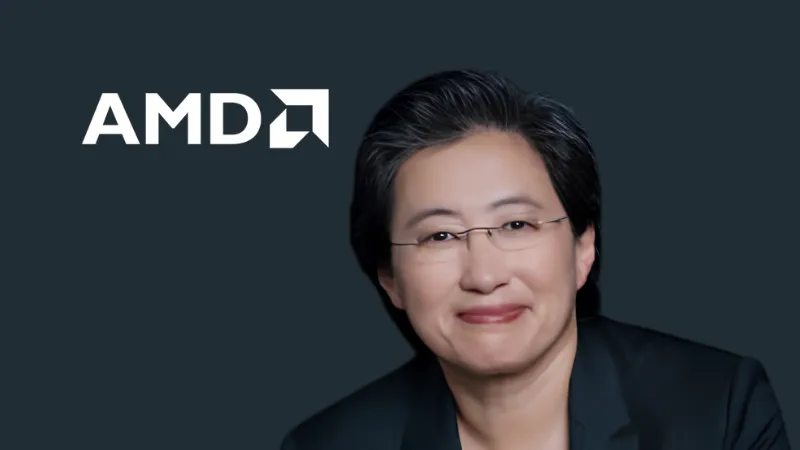
As chair and CEO of Advanced Micro Devices (AMD), Su has helped turn the company into a major competitor in high-performance computing, graphics, data centers, and AI.
RECOMMENDED FOR YOU
7 Best Website Builders for Small Businesses in the UK (2026)
Devin Jacobs
Aug 6, 2026

Gn-Math: Innovative Tools for Learning and Solving Mathematics
Devin Jacobs
Apr 2, 2026

Fibertel Hotline: Customer Support, Services, and Contact Information
Devin Jacobs
May 21, 2026
Her experience serves as a helpful reminder that having a fantastic product is rarely the only factor in effective technology leadership. Research, engineering skill, production capacity, collaborations, and long-term investment are all important in the fiercely competitive world in which semiconductor companies operate.
AI has made the semiconductor industry even more important in 2026, putting executives such as Su at the center of one of the biggest technology shifts of the decade.
4. Julie Sweet – Accenture
Julie Sweet is the chair and CEO of Accenture, a global professional services company that works with businesses and governments on technology and digital transformation.
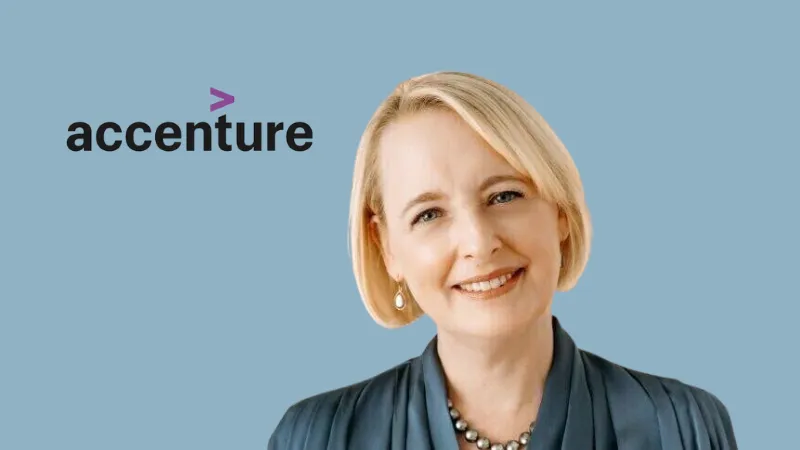
Her role has become even more important as companies try to figure out how artificial intelligence can actually improve their operations.
For many businesses, adopting AI is no longer simply a technology experiment. It affects employees, customer service, cybersecurity, data management, software, and business strategy.
That puts Sweet in charge of a company operating directly in the middle of this transformation.
Her career also illustrates how leadership can develop through a combination of legal, business, technology, and management experience.
5. Gail K. Boudreaux – Elevance Health
Gail K. Boudreaux is one of the most influential women in America’s healthcare industry.
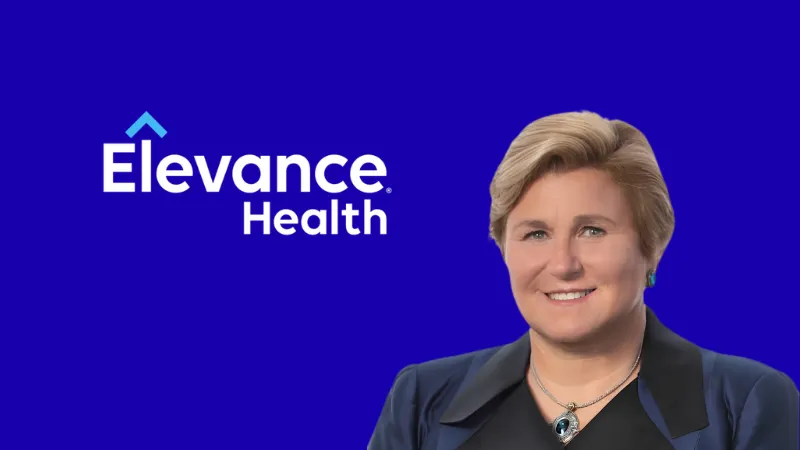
She has led Elevance Health since 2017, overseeing a company that operates on a massive scale within the U.S. healthcare system.
Healthcare leadership is rarely simple. Executives have to deal with rising costs, government programs, changing regulations, technology, healthcare providers, and the expectations of millions of customers.
Boudreaux’s position is especially significant in 2026 because Elevance Health is the highest-ranked Fortune 500 company led by a woman, coming in at No. 18.
That makes her one of the most powerful female executives in corporate America by both company scale and leadership influence.
6. Sarah London – Centene Corporation
Sarah London is another major female leader in the U.S. healthcare sector.
As CEO of Centene Corporation, she leads a company focused heavily on government-sponsored healthcare programs.
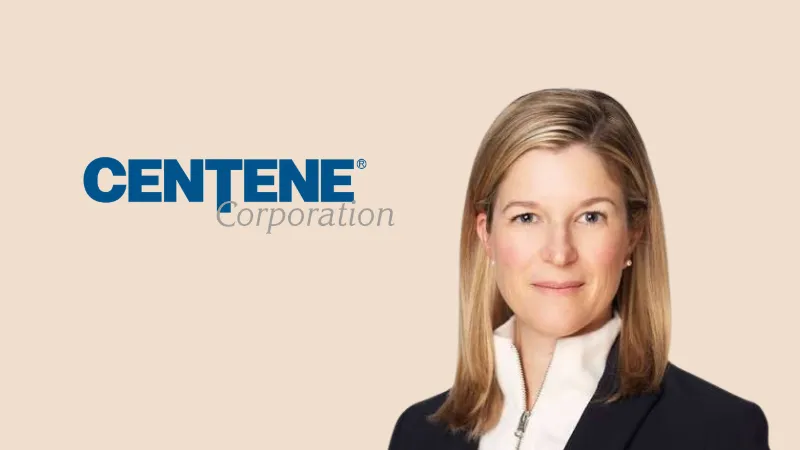
Centene ranked No. 19 on the 2026 Fortune 500, immediately behind Elevance Health. That makes London one of the women running the largest companies in America by revenue.
Her job involves managing a complex healthcare business while responding to changing government policies, costs, competition, and the needs of the people and organizations the company serves.
7. Thasunda Brown Duckett – TIAA
Thasunda Brown Duckett is president and CEO of TIAA and one of the most prominent women in American financial services.
Her career has been built around financial services, leadership, and helping people think about long-term financial security.
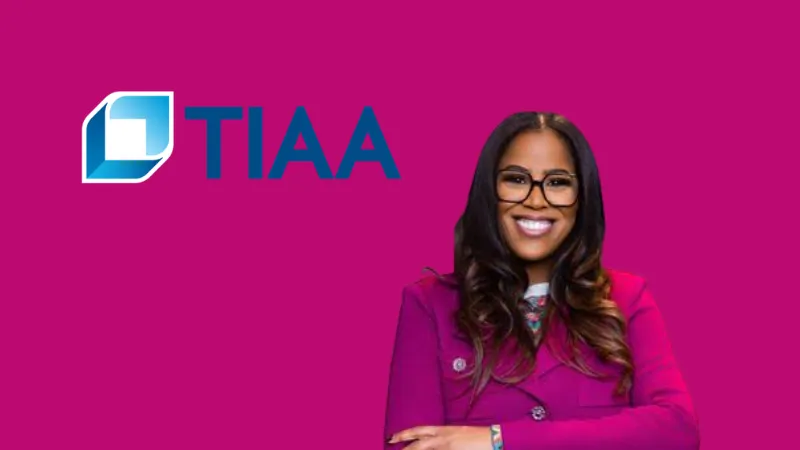
Duckett is also part of a much smaller group of Black women reaching the top of major U.S. corporations. Fortune’s 2026 reporting highlights TIAA among the companies led by Black female CEOs.
Her journey shows how corporate leadership is becoming more diverse, even though women and underrepresented groups still make up a relatively small portion of America’s largest-company CEOs.
8. Reshma Kewalramani – Vertex Pharmaceuticals
Reshma Kewalramani brings a different background to the CEO role.
She is a physician as well as a business leader and serves as president and CEO of Vertex Pharmaceuticals.
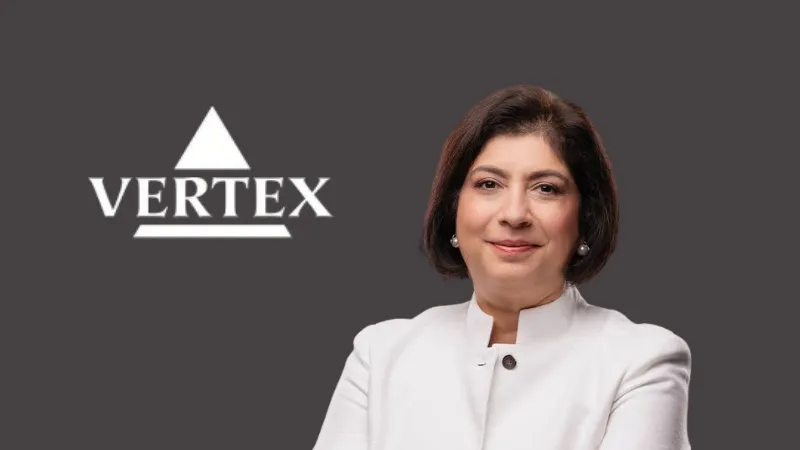
That combination of medical knowledge and executive experience is particularly valuable in biotechnology, where scientific research and commercial strategy have to work together.
Vertex operates in a highly specialized industry, and decisions made by its leadership can influence research programs, drug development, partnerships, and access to innovative treatments.
Kewalramani’s career is therefore an example of how deep technical expertise can become a powerful foundation for corporate leadership.
9. Abigail Johnson – Fidelity Investments
Abigail Johnson is one of the best-known names in America’s investment industry.

As chairman and CEO of Fidelity Investments, she leads one of the country’s largest and most recognizable financial services companies.
The investment industry has changed dramatically during her career. Consumers can now anticipate simple digital access, affordable investment options, retirement resources, financial education, and ever-improving technology.
Johnson’s leadership at Fidelity places her at the intersection of traditional investment management and this newer digital financial world.
Her position also makes her one of the most influential women in America’s financial sector.
10. Carol B. Tomé – UPS
Carol B. Tomé is the CEO of United Parcel Service, better known as UPS.
Running a global logistics company is a huge operational challenge. UPS has to move packages across countries and continents while dealing with transportation costs, labor, fuel prices, technology, customer expectations, and an increasingly complicated global supply chain.
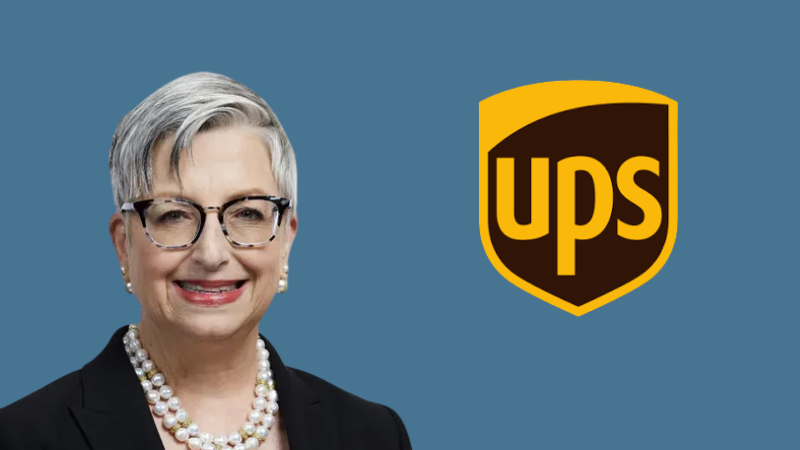
Tomé became UPS CEO in 2020 after spending many years as a senior executive at The Home Depot.
Her career is a useful example of how financial expertise can lead to the top job at a company where operations and logistics are just as important as financial performance.
Top Female CEOs in the USA in 2026 at a Glance
| Rank | Female CEO | Company | Industry |
| 1 | Jane Fraser | Citigroup | Banking & Finance |
| 2 | Mary Barra | General Motors | Automotive |
| 3 | Lisa Su | AMD | Technology & Semiconductors |
| 4 | Julie Sweet | Accenture | Consulting & Technology |
| 5 | Gail K. Boudreaux | Elevance Health | Healthcare |
| 6 | Sarah London | Centene | Healthcare |
| 7 | Thasunda Brown Duckett | TIAA | Financial Services |
| 8 | Reshma Kewalramani | Vertex Pharmaceuticals | Biotechnology |
| 9 | Abigail Johnson | Fidelity Investments | Investment & Finance |
| 10 | Carol B. Tomé | UPS | Logistics |
What Makes These Women Successful CEOs?
There isn’t one formula for reaching the CEO’s office.
Some of these women spent most of their careers inside one company. Mary Barra, for example, worked her way through General Motors over several decades. Others developed expertise across different areas before moving into the top job.
Still, a few common themes stand out.
Deep industry knowledge matters. Running a huge company requires more than being a good public speaker or having a strong résumé. These executives understand their industries and the pressures their companies face.
Adaptability is equally important. Technology, consumer behavior, regulation, and competition can change quickly. CEOs have to make decisions even when the future isn’t completely clear.
And then there is long-term leadership. The biggest companies cannot be managed by focusing only on the next quarter. Decisions about technology, employees, acquisitions, products, and investment can take years to pay off.
Women CEOs Are Making Progress, but There Is Still a Long Way to Go
The rise of female CEOs in 2026 is certainly worth recognizing, but the numbers also put the progress into perspective.
Fortune reported that 55 women led Fortune 500 companies in 2026, representing about 11% of the list. That is a record, but it also means that roughly nine out of every ten Fortune 500 companies are still led by men.
There has been progress since 2020, when women led only 7.4% of Fortune 500 companies. However, the increase has been gradual rather than dramatic.
Another interesting point is where women are appearing in the ranking. In 2026, the first female-led company appears at No. 18, with Elevance Health. Centene follows at No. 19, while General Motors is No. 23.
So the story isn’t simply about having more women in CEO positions. It is also about women gaining leadership roles at companies of increasingly greater size and influence.
Conclusion
The top female CEOs in the USA in 2026 represent some of the most interesting leadership stories in American business.
Jane Fraser is reshaping a global banking giant. Lisa Su is helping lead the race for AI and semiconductor technology. Mary Barra is steering an automotive company through a major industry transformation. Gail Boudreaux and Sarah London are leading enormous healthcare organizations, while executives such as Thasunda Brown Duckett, Abigail Johnson, and Carol Tomé continue to shape America’s financial and logistics sectors.
These women reached the CEO’s office through different careers, industries, and experiences, but they now have something in common: they are helping make decisions that influence millions of customers, employees, investors, and communities.
And while the number of women leading America’s biggest companies is still far from equal, the record set in 2026 shows that the corporate landscape is changing.
FAQs
How many women are CEOs of Fortune 500 companies in 2026?
Who is the female CEO of General Motors in 2026?
Who is Lisa Su and why is she famous?
Which female CEO leads the highest-ranked Fortune 500 company in 2026?
Who is the CEO of Centene in 2026?
Who is Thasunda Brown Duckett?
Who is the female CEO of Fidelity Investments?
Who is the female CEO of UPS?
What industries have the most prominent female CEOs?
Why are female CEOs important for American business?
Recommended Stories for You

Devin Jacobs Mar 26, 2026

Devin Jacobs Jul 31, 2026

Devin Jacobs Apr 2, 2026

Devin Jacobs Mar 10, 2026

Latest News MyGreenBucks.net: Recent Updates on Tasks, Rewards, and Platform Improvements
Devin Jacobs Mar 31, 2026

Devin Jacobs Mar 12, 2026
Trending Stories

Webitbgroup com: A Complete Guide and SEO Analysis
How to Start an AI Business: 12 Smart Ideas for 2026

PlayBattleSquare Gaming Blog: Tips, Reviews and Strategies for Every Gamer

Is Advertising FeedBuzzard the Future of Digital Advertising?

Billy Carson Net Worth and Biography

How a Collaborative CRM System Improves Communication and Efficiency?

Ramtin Abdo: Deep Dive into His Business Success and Private Life

Abraham Quiros Villalba: Inspiring Journey of a Forward-Thinking Visionary Innovator

