
Will AI Replace Humans? How AI Is Transforming the Future of Work
Jul 23, 2026 | By Devin Jacobs
 Follow us
 Follow us
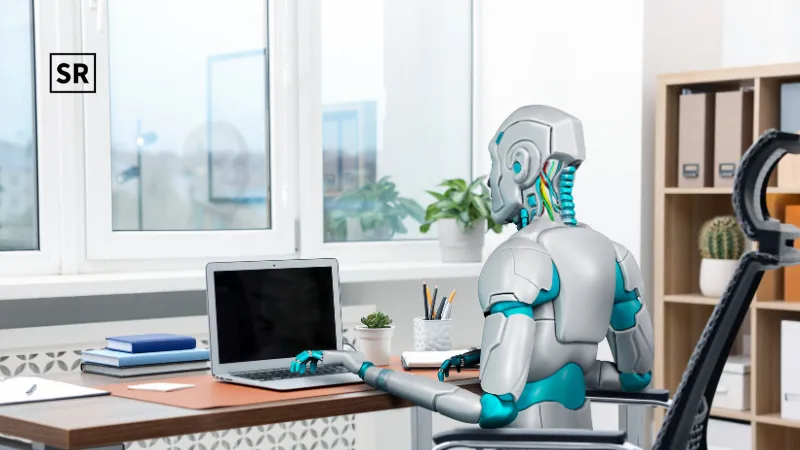
The topic of artificial intelligence is no longer limited to tech headlines. It's being incorporated into daily tasks. There's certainly an AI application that promises to make your job easier, whether you're managing clients, creating visuals, analyzing data, composing emails, or building software.
This rapid growth has also raised an important question: Will AI help people work better, or will it eventually replace them?
The answer isn’t as simple as “yes” or “no.” AI is already changing the workplace, but for most industries, it isn’t replacing people entirely. Instead, it’s changing how work gets done. While some repetitive jobs are becoming automated, many professionals are using AI to become faster, more productive, and more creative.
Let’s explore where AI is helping, where it’s replacing certain tasks, and what the future of work is likely to look like.
What Is AI Doing in Today’s Workplace?
Artificial intelligence refers to computer systems that can perform tasks that normally require human intelligence. These include understanding language, recognizing images, writing content, analyzing information, and even making predictions based on data.
Instead of spending hours on repetitive work, employees can now use AI to complete many tasks in just a few minutes.
Today, businesses use AI for:
- Writing reports and emails
- Customer support chatbots
- Data analysis
- Development of software
- Producing images and videos
- Automation of marketing
- Forecasting finances
- Research in medicine
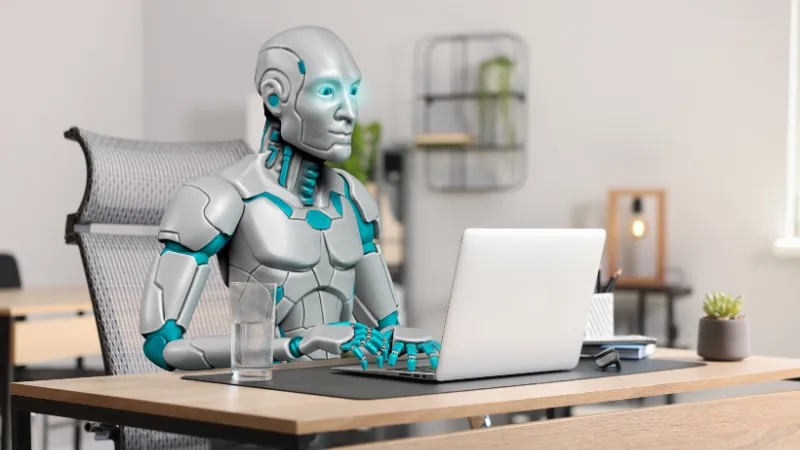
AI is assisting workers in doing mundane tasks more quickly rather than replacing every employee.
How AI Is Helping People Do Their Jobs Better
One of AI’s biggest strengths is handling repetitive work. Instead of spending valuable time on routine tasks, professionals can focus on decisions that require creativity and experience.

Here are some real-world examples.
Writers and Content Creators
Writers use AI to generate ideas, create outlines, summarize research, and improve grammar. Instead of starting with a blank page, they can focus on adding expertise, storytelling, and originality.
Software Developers
AI is used by developers to write code, find faults, clarify programming concepts, and automate tedious coding activities. They are able to devote more time to resolving intricate technical issues as a result.
Business Professionals
Spreadsheets, reports, presentations, and patterns in big datasets can all be swiftly organized by AI. What used to take hours may frequently be finished in a matter of minutes.
Healthcare Professionals
AI is used by medical professionals and researchers to organize patient data, aid in diagnosis, and analyze and scan. Medical professionals still make the final judgments, even when AI helps in the process.
Customer Service Teams
AI chatbots are used by several companies to provide round-the-clock answers to often requested inquiries. After that, human agents concentrate on complex client problems that call for compassion and problem-solving skills.
AI serves as a helper rather than a substitute in each of these instances.
Which Jobs Are Most Likely to Be Replaced?
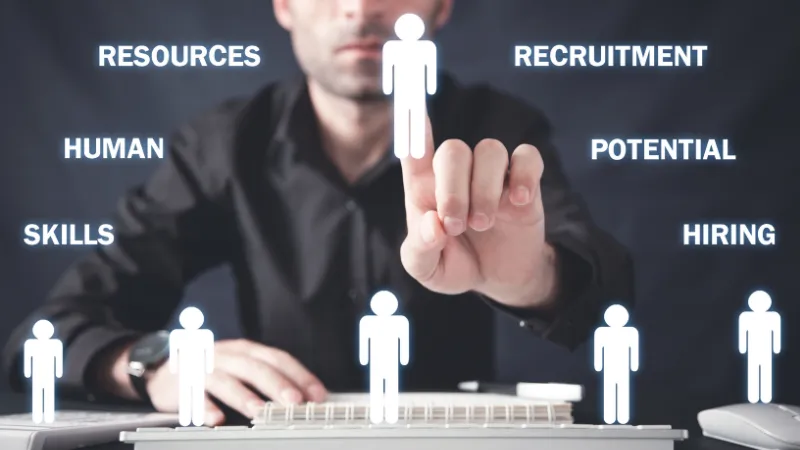
While AI creates opportunities, it’s also true that some jobs are more vulnerable than others.
It is easier to automate jobs that revolve around predictable and repetitive tasks
such as:
- Basic data entry
- Routine bookkeeping
- Appointment scheduling
- Simple customer support
- Payroll processing
- Standard document verification
- Basic transcription.
But this doesn't mean that entire careers disappear; instead, individuals move into more valued roles as the repetitive parts of these jobs are automated.
Jobs That Will Continue to Need Human Skills
There are many things AI still cannot do well.
RECOMMENDED FOR YOU

Test.pushclik.com – Exploring the Features and Functionality of the Platform
Devin Jacobs
Mar 24, 2026


Verticly Platform: Boosting In-Store Sales with Digital Integration
Devin Jacobs
Jun 4, 2026
It cannot genuinely understand human emotions, build trust, negotiate sensitive situations, or think creatively the way people can.
Jobs that rely heavily on these skills are expected to remain in high demand.
Some of them are:
- Instructors
- Physicians
- Medical professionals
- Counselors
- Attorneys
- Supervisors
- Professionals in sales
- Directors of creativity
- Business owners
- Expert crafts
AI Is Changing Jobs More Than Eliminating Them
Many experts believe the biggest impact of AI won’t be replacing jobs; it will be transforming them.
Instead of doing every task manually, employees will increasingly work alongside AI.
For example:
A marketing professional may ask AI to generate campaign ideas before refining them.
A programmer may use AI to build the first version of software before reviewing and improving the code.
A financial analyst may use AI to process thousands of records while focusing on strategic business decisions.
The human remains responsible for quality, accuracy, and final approval.
New Career Opportunities Created by AI
Every major technological shift creates new industries.

The internet created jobs like app developers, digital marketers, social media managers, and cybersecurity experts.
AI is doing the same.
Some rapidly growing careers include:
- AI consultants
- Prompt engineers
- AI trainers
- Machine learning engineers
- AI ethics specialists
- Automation experts
- AI product managers
Many traditional careers are also evolving to include AI skills, making continuous learning more important than ever.
How to Stay Ahead in an AI-Driven Workplace
The people most likely to succeed won’t necessarily be those who know the most about AI.
Instead, they’ll be the ones who know how to use AI effectively alongside their existing skills.
Here are some of the doable strategies for getting ready:
- Acquire knowledge of AI tools that are pertinent to your line of work.
- Improve your ability to communicate and solve problems.
- As technology advances, keep learning.
- Put an emphasis on strategic thinking and inventiveness.
- Rather than being afraid of AI, use it to increase productivity.
Adapting to new technology has always been part of career growth, and AI is simply the latest example.
AI Will Not Replace Everyone—But It Will Change Everyone’s Work
The biggest misconception is that AI will either replace every worker or have no impact at all.
The reality lies somewhere in the middle.
AI will automate repetitive tasks, improve productivity, and change how businesses operate. Some jobs will shrink, some will evolve, and entirely new careers will continue to emerge.
For most professionals, success won’t depend on competing against AI—it will depend on learning how to work with it.
Conclusion
AI will just change how we work today; it will automate some work, but human creativity, critical thinking, and emotional intelligence will still be valuable. So, instead of fearing it, just learn how AI works; it helps you enhance your career. Your career won't be ultimately determined by AI; rather, it will depend on how you adapt to it.
FAQs
Will AI replace all jobs in the future?
Should I be worried that AI will replace my career?
What skills will become more important in the age of AI?
Is AI helping people or replacing them?
Which industries are using AI the most?
Will learning AI improve my career prospects?
Can small businesses benefit from AI?
Does AI make employees more productive?
Recommended Stories for You

Devin Jacobs Mar 30, 2026

Devin Jacobs Sep 3, 2026

Devin Jacobs May 25, 2026
Devin Jacobs Mar 24, 2026

Devin Jacobs Jun 5, 2026

Devin Jacobs Jun 2, 2026
Trending Stories

PlayBattleSquare Gaming Blog: Tips, Reviews and Strategies for Every Gamer

Is Advertising FeedBuzzard the Future of Digital Advertising?

Billy Carson Net Worth and Biography

How a Collaborative CRM System Improves Communication and Efficiency?

Pressvibepulse Com Review: Features, Safety, and User Experience

Ramtin Abdo: Deep Dive into His Business Success and Private Life

Abraham Quiros Villalba: Inspiring Journey of a Forward-Thinking Visionary Innovator

Bfanni8986: Understanding the Story Behind a Unique Online Identity and Comparison with Other Platforms

