


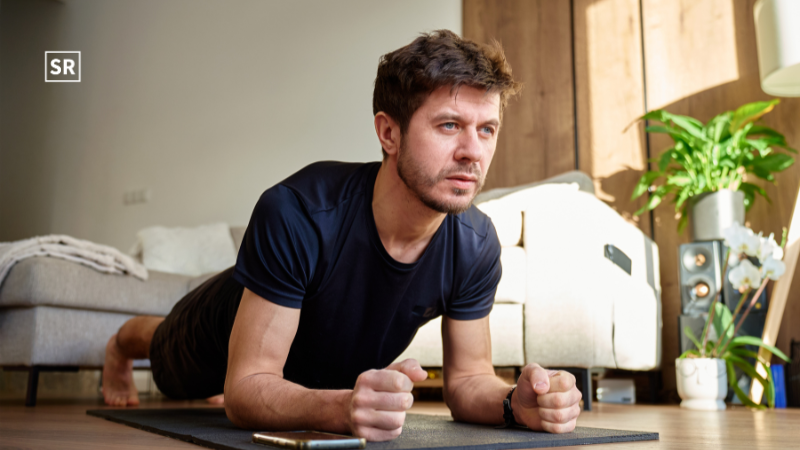
A workout for health refers to engaging in regular physical exercise to improve and maintain overall physical and mental well-being. Consistent workouts help strengthen muscles, improve cardiovascular fitness, increase flexibility and boost overall stamina. Physical activities such as walking, running, cycling, strength training and exercises like Yoga can help the body stay active and function efficiently. Regular exercise also plays an important role in maintaining a healthy weight, improving metabolism and enhancing endurance.
In addition to physical benefits, workouts can significantly improve mental health by reducing stress, improving mood and increasing focus through the release of natural chemicals in the brain that promote feelings of happiness and relaxation. Furthermore, maintaining a consistent workout routine may help lower the risk of several chronic health conditions, including Heart Disease, Type 2 Diabetes and Obesity. By making exercise a regular part of daily life, individuals can improve their overall health, build stronger bodies, enhance mental well-being, and enjoy a more active and energetic lifestyle.
Table of Contents
Why At-Home Workouts Work
Choosing to work out at home can provide many benefits, especially for people who are limited by budget, time or feel uncomfortable in large gyms. Home workouts make it easier to stay active while fitting exercise into a busy lifestyle. Here are some reasons why switching to at-home workouts can make a big difference:
- Eliminate Commute and Gym Costs: Working out at home helps you save both time and money because you no longer need to travel to a gym or pay expensive membership fees.
- Build Consistency and Convenience: When your workout space is just a few steps away, it becomes much easier to stay consistent and turn exercise into a regular habit.
- Effective for All Fitness Goals: With the right effort and planning, at-home workouts can be adjusted to match different fitness levels and goals, whether you want to improve strength, flexibility, or endurance through activities such as Yoga or bodyweight training.
- Support Metabolic Health and Glucose Control: Exercising at home also allows you to schedule workouts at times that may help stabilize blood sugar levels, which can be helpful for people managing conditions like Type 2 Diabetes, especially when combined with tools like a continuous glucose monitor (CGM).
How to Plan Your At-Home Workout
Your at-home workout can be very effective when it is well planned and structured. Following a consistent routine helps turn simple exercises into a productive and balanced training session that supports overall fitness and health.
Warm-up (5–10 minutes)
Start your workout with light cardio and dynamic movements to increase blood flow and prepare your muscles and joints for exercise. Activities such as arm circles, light jogging in place, or gentle stretching can help the body warm up properly.
Main Workout (20–40 minutes)
Focus on exercises that include cardio, strength training, or a combination of both. The main workout is where you build endurance, strength, and stamina. Examples include:
- Tabata training: 40 seconds of jump squats followed by 20 seconds of rest, repeated for 8 rounds.
- Strength circuit: A series of strength-based exercises performed one after another, such as push-ups, squats, and lunges.
- Cardio workout: Activities like riding a stationary bike for about 30 minutes or performing high-energy bodyweight exercises.
You can also include exercises like Jump Squat to improve strength and cardio fitness.
Cool Down (5–10 minutes)
Finish your workout with slow movements, static stretching, or foam rolling to help lower your heart rate and relax the muscles. This step may also help reduce muscle soreness after exercise.
Strength Training Sets and Repetitions
When doing strength workouts, the number of sets and repetitions can vary depending on your fitness level:
- Beginner: 2 sets of 8–10 repetitions with longer rest periods between sets.
- Intermediate: 3 sets of 12–15 repetitions with moderate rest periods.
- Advanced: 3–4 sets of 5–6 repetitions using heavier weights or more advanced techniques such as drop sets or the 6-12-25 method.
Following a structured routine like this can help you stay consistent, improve fitness, and make your at-home workouts more effective over time.
At-Home Workout Moves To Fit Your Goals
To maximize the results of your workouts, it is important to choose exercises that match your specific fitness goals. Selecting the right movements can help improve strength, endurance, flexibility and overall physical performance. High-impact exercises that engage multiple muscle groups are especially effective because they challenge the body while also increasing calorie burn and cardiovascular activity. Below are eight effective exercises grouped by their primary training purpose, each designed to support different aspects of fitness and help you build a well-rounded workout routine.
Push-Ups:
Push-up is a classic bodyweight exercise that helps develop upper-body strength while also engaging the core muscles. This movement primarily targets the chest, shoulders and triceps while the core works to stabilize the body. Push-ups are a fundamental exercise that can be modified for beginners or intensified for advanced athletes.
Bulgarian Split Squats:
Bulgarian split squat focuses on the quadriceps and glute muscles while working one leg at a time. This single-leg exercise helps correct muscle imbalances, improve balance, and build significant lower-body strength. It also activates stabilizing muscles, making it a powerful movement for strengthening the legs and improving overall athletic performance.
Kettlebell Swings:
Kettlebell swing is a powerful compound movement that targets the glutes, hamstrings, and core while also improving endurance. This hinge-based exercise helps build muscle strength and can significantly increase metabolic activity, allowing the body to continue burning calories even after the workout is complete.
Mountain Climbers:
Mountain climber is performed in a plank position while rapidly driving the knees toward the chest, alternating sides. This fast-paced movement increases heart rate, strengthens the core, and improves coordination. It also combines strength and cardio training, making it a great addition to high-intensity workouts.
Jump Rope:
Jump rope is a simple yet highly effective cardiovascular exercise. Beginners can start with short intervals of about 20–30 seconds and gradually increase the duration as their muscles and tendons adapt. Jump rope helps strengthen the heart, improve circulation, boost aerobic capacity, and may help support healthy blood pressure levels.
Burpees:
Burpee is a full-body exercise that engages almost every major muscle group. This high-intensity movement combines squats, jumps, and push-up motions, which keeps the heart rate elevated and leads to significant calorie burning while improving strength and endurance.
Jump Squats:
Jump squat adds an explosive jump to a traditional squat, increasing the intensity of the exercise. This movement strengthens the legs while also improving power, speed, and coordination. Because of its explosive nature, jump squats increase metabolic demand and help the body burn more energy in a shorter period of time.
Skaters:
Speed skater exercise involves jumping side to side in a skating motion. These lateral movements help keep the heart rate high while improving agility, balance, and coordination. Skaters are also effective for strengthening and toning the outer glutes and thighs while building lower-body endurance.
How to Scale Each Move
Scaling exercises is an important part of building a safe and effective workout routine because it allows people of different fitness levels to perform the same movements while adjusting the intensity to match their abilities. Whether you are a beginner, intermediate or advanced athlete, modifying exercises can help improve technique, prevent injury and gradually build strength and endurance. For beginners, scaling often means simplifying the movement or reducing intensity. For example, a standard Push-up can be performed on the knees or against a wall to reduce the load on the upper body while still strengthening the chest and arms. Exercises like Jump squat can be modified by removing the jump and performing a regular squat to focus on proper form and lower-body strength. Intermediate exercisers may increase repetitions, add light weights or reduce rest time between sets to increase the challenge. Advanced individuals can further intensify movements by adding resistance, increasing speed, or incorporating more complex variations such as performing explosive jumps during Burpee routines or using heavier weights during strength exercises. By scaling each move according to your fitness level, you can continue progressing over time while maintaining proper technique and avoiding unnecessary strain on the body.
Common Mistakes to Avoid During At-Home Workouts
Avoiding common mistakes can help ensure that your at-home fitness routine stays safe, effective and sustainable over time. Paying attention to proper technique, preparation, and consistency will help you get better results while reducing the risk of injuries.
- Skipping Warm-ups or Cool Downs: Ignoring warm-up and cool-down sessions can increase the risk of injuries, muscle stiffness, and slow recovery. Simple activities such as light cardio or stretching before and after exercises like Push-up or Jump squat can help prepare the body and relax the muscles.
- Rushing Through Repetitions: Performing exercises too quickly can affect your form and reduce the effectiveness of the workout. Moving at a controlled pace ensures that the correct muscles are engaged and helps prevent unnecessary stress on the joints.
- Neglecting Mobility Work: Mobility exercises help maintain healthy movement in the joints and muscles. Without proper mobility, workouts may become less effective and the risk of injury may increase. Regular stretching and flexibility exercises can support better movement and overall fitness.
- Not Tracking Progress: Keeping track of your sets, repetitions, and workout intensity helps you monitor improvement over time. Without tracking progress, it can be difficult to ensure you are gradually increasing the challenge needed to build strength and endurance.
- Comparing At-Home Workouts to Gym Workouts: It is important not to underestimate the value of home workouts. Even without large machines or heavy gym equipment, bodyweight exercises and simple movements like Burpee can provide an effective and challenging workout when performed consistently.
Conclusion
Choosing the right exercise moves can help you get the most out of your at-home workout and improve your overall fitness. By including a balanced mix of strength, cardio and mobility exercises, you can effectively train different muscle groups while boosting endurance and energy levels. Simple yet powerful movements such as Push-up, Jump squat, and Burpee can provide a full-body workout without requiring expensive gym equipment. Maintaining proper form, following a structured routine and gradually increasing the intensity of your workouts can help you continue making progress over time. Most importantly, staying consistent and avoiding common workout mistakes will make your home fitness routine both effective and sustainable. With dedication and the right exercise choices, at-home workouts can be a convenient and powerful way to build strength, improve health and stay active every day.

