


Aging today looks very different from how it did 20 years ago. Technology is changing how seniors move and interact with the world. People will stay in their homes longer and maintain their freedom. This shift is creating a world where age is just a number and independence is a reality for more people.
The New Era Of Senior Living
Smart home systems and wearable sensors are now standard parts of a daily routine. Gadgets can monitor health metrics and give families a sense of security. Every new year brings better ways to stay safe without giving up the comfort of a private home.
Many people find that learning a few simple apps can open up a whole world of convenience. Food delivery and ride-sharing services are just two examples of how life has changed. Using a smartphone to coordinate errands saves time and energy for other activities.
Smart Tools For Daily Life
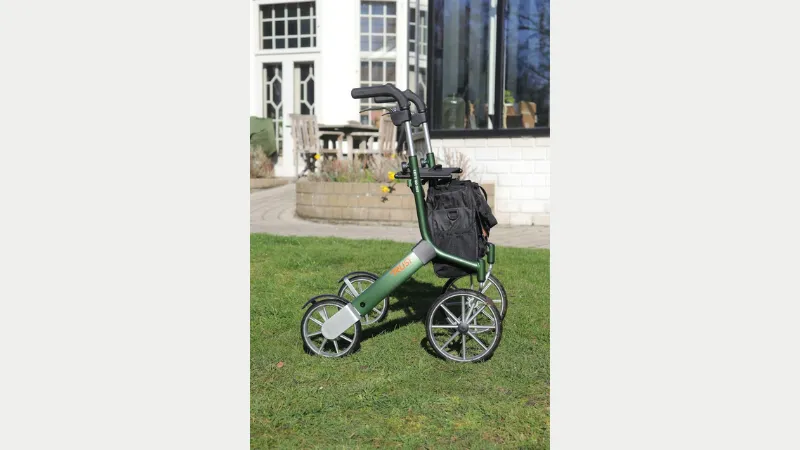
Living a full life means having the right support systems in place. For optimal mobility, consider suppliers like Mobility Department, which provide the best equipment for specific needs. Having reliable gear means more time spent enjoying life and less time worrying about getting around.
People feel more confident when they have a plan for their daily activities. Staying active is much easier when the environment is adapted to fit personal physical requirements. Small changes to a floor plan can prevent accidents and promote long-term wellness.
Tech That Supports Independent Travel
The global senior mobility aid market reached a value of $10.4 billion during 2024. Experts predict this sector will continue to grow at a rate of 7.1% annually through 2034. Many companies are investing in lightweight materials and better battery life for scooters and wheelchairs.
New designs are making these devices easier to transport in a car or on a plane. Users are looking for items that are functional and easy to look at. Many people find that a reliable power chair allows them to visit parks and shops without needing extra help.
Staying Connected At Home
Most people over the age of 50 now see digital tools as a positive force in their lives. 66% of adults in this age group believe technology makes aging easier and supports living at home. Using these systems allows for better communication with doctors and loved ones. Simple interfaces are helping users stay connected.
- Video calls reduce feelings of isolation.
- Health apps track vital signs in real time.
- Voice assistants control lights and thermostats.
Small adjustments to a home can create a much safer living space. Families feel a weight lifted when they know their loved ones have access to help at the touch of a button. Social media groups for seniors provide a sense of community and shared interest.
Economic Growth In Senior Tech
The financial side of this industry is seeing a massive surge in investment. The market for senior tech services could jump from $194 billion in 2025 to more than $2.1 trillion by 2035. It’s a huge increase that shows how much value society is placing on aging well. Startups are focusing on everything from robotic assistants to AI health monitoring.
Investors are realizing that the senior population has spending power. Products are being tailored to meet the needs of a diverse group of older adults. Competition between developers keeps prices down and quality high for the end user.
Adapting To Modern Innovations
Designers are now making interfaces much simpler for people who did not grow up with computers. Large buttons and clear text can make apps easier for everyone. Success comes when the technology fades into the background and just helps a person live their life.
Many community centers now offer classes to help seniors get comfortable with tablets and smartphones. Having a peer to learn with can make the process much more enjoyable. It is never too late to pick up a new skill that makes life more efficient. Patience is the only thing needed to master a new tool.
Designing For The Future
The best products are built with input from the people who actually use them. Engineers are looking at how to make mobility aids more stylish and less clinical. Moving through a city should feel natural and effortless for someone of any age. Future cities might even have specialized lanes for slow-moving automated transit pods.
We are seeing a move toward universal design that benefits everyone regardless of ability. Collaborative efforts between tech firms and city planners are key to this progress. Taking the time to build better systems today will benefit society for decades.

The blend of technology and mobility will only get stronger. We are seeing a change toward a more inclusive world where everyone can participate fully. Staying active and independent is becoming easier as these tools improve. The future of aging is bright and full of possibilities for those ready to embrace it.

