


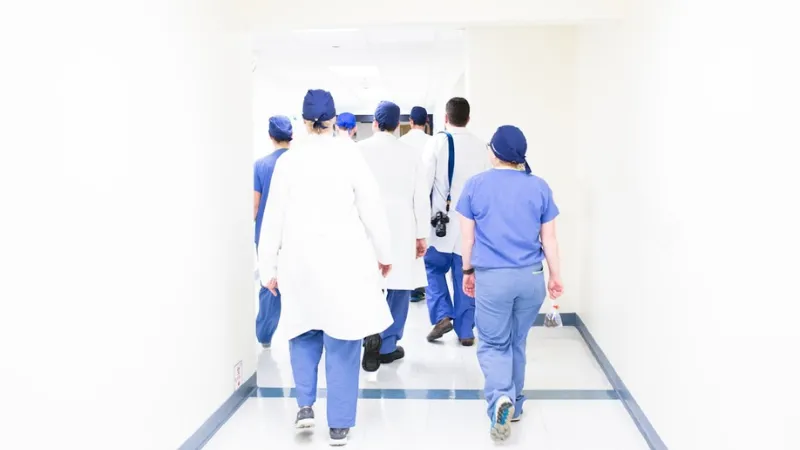
A medical error is a heavy burden for any healthcare team. It ripples through the organization and affects patients, families, and staff members. Creating a space where people feel safe to speak up is the first step toward healing. When an incident occurs, the focus often shifts to immediate fixes and paperwork.
The emotional weight remains long after the reports are filed. Support systems provide a way to navigate these difficult times together. Building a culture of care helps everyone move forward with grace and professional integrity.
Create an Open Reporting Environment
Building a support system starts with how your team talks about mistakes. People need to feel they can report an incident without facing instant blame. A recent government publication suggested that encouraging everyone in healthcare to report errors is a core part of safety.
When reporting is treated as a learning tool, the fear begins to fade. The Moore Law Firm medical malpractice attorneys say that legal consequences are often linked to how organizations handle transparency. Professionals should feel their honesty is valued by their peers and leaders. This trust is the foundation of any strong internal support network.
Move Toward a Just Culture
Shifting away from a culture of blame is a major task. It requires looking at the systems in place rather than just individual actions. Research indicates that most medical errors come from system failures instead of a lack of skill.
This perspective helps staff members realize they are not alone in their struggle. It allows the team to look at the process and find where things went wrong. A just culture rewards honesty and focuses on fixing the root cause. This approach keeps the team united instead of divided by finger-pointing.
Implement Peer Support Programs
Formal peer support can bridge the gap between management and staff. Sometimes a person just needs to talk to someone who has been in their shoes. Peer responders are trained to listen and offer emotional first aid.
- Designate trained peer supporters in every department.
- Offer confidential spaces for one-on-one conversations.
- Provide resources for professional counseling if needed.
These programs show that the organization cares about the person, not just the professional. It creates a safety net that catches people before they burn out. Having a colleague reach out can make a massive difference in the recovery process.
Address Staffing and Resource Issues
Support is not just about talking; it is also about the environment. High stress and heavy workloads make it harder to recover from a mistake. A study found that staff shortages and limited resources can hurt the well-being of healthcare workers.
When people are stretched thin, they lack the mental space to support one another. Organizations must look at their staffing levels to ensure everyone has the capacity to be present. A well-rested team is more resilient and better equipped to handle a crisis. Proper resource allocation is a silent but powerful form of support.
Encourage Meaningful Interactions
Daily habits build the strength of a support system. Small moments of connection create a sense of belonging among the staff. Leaders should make time for casual chats and open forums. These interactions build the social capital needed when things get tough.
A coffee break or a quick check-in can be a lifeline for someone struggling. When people know their coworkers, they are more likely to offer help during a crisis. These relationships are the glue that holds a medical team together. Regular communication ensures that no one feels isolated after an error occurs.
Focus on Psychological Safety
Psychological safety means knowing you can take a risk without being shamed. In a hospital setting, this is life-saving. Teams that feel safe are more likely to share ideas and admit when they are unsure.
This safety allows for a more honest debrief after a medical error. It helps the group process the event without the weight of judgment. Leaders must model this behavior by being open about their own challenges. When the top levels of an organization show vulnerability, others feel safe to do the same.
Use Data to Inform Support
Data can show where support is needed most. Tracking which departments have the highest stress levels helps target resources. This information can guide the development of new support initiatives.
It is not just about the numbers – it is about the stories behind them. Using feedback from staff helps tailor the support to their actual needs. This ensures that the systems you build are truly helpful. Data provides a clear path toward a healthier and more supportive workplace.

Helping a team recover from a medical error is a long-term commitment. It requires patience, empathy, and a willingness to change old habits. By focusing on peer support and systemic fixes, you create a resilient culture. This environment protects both the patients and the people who care for them. Every step toward a better support system is a step toward a safer organization. Small changes in how we treat each other lead to a more compassionate workplace for everyone involved.

