



Running a commercial fleet involves making tough choices every single day. One of the most significant decisions involves the fuel that powers your trucks. For decades, diesel has stood as the primary choice for long-haul transport and heavy machinery. It offers a level of reliability that other fuels struggle to match. Fleet owners look for ways to maximize their profits and keep vehicles on the road. Understanding why diesel remains the top pick helps you plan for a profitable future.
Torque and Towing Power
Heavy-duty freight transport requires an immense amount of power to move massive loads across the country. Diesel engines dominate this sector due to their superior torque and durability. A recent report by a global industry analyst highlighted that logistics operations rely on this power for long-haul trucking. These machines thrive under pressure and provide the steady pull needed for steep grades.
Most gasoline engines struggle to maintain speed when hauling 80,000 pounds. Diesel engines generate peak torque at lower RPMs. This allows the truck to get moving without straining the transmission or wasting fuel. Drivers appreciate the consistent performance during long shifts on the interstate.
The Reality of Operating Costs
Managing a budget is a full-time job for any fleet manager. Recent data from a university energy blog indicates that battery electric trucks cost about 46 percent more per mile than diesel versions in 2025. This massive gap comes from high fuel prices and the weight of expensive batteries. Diesel helps keep those per-mile costs manageable for companies of all sizes.
Saving money on every trip adds up to significant annual gains. Profit margins in the trucking world are often very thin. Spending nearly 50 percent more on fuel or energy would bankrupt many small companies. Diesel remains the most logical choice for businesses that need to watch their bottom line.
Sourcing Reliable Components
Finding parts for these engines is a straightforward process for most shops. If you are looking for a Cummins ISM for sale to upgrade your current equipment, you will find plenty of support in the aftermarket. These engines provide a solid foundation for regional haulers. Their popularity means mechanics know exactly how to fix them.
The availability of parts keeps downtime to a minimum. You can find a mechanic who understands these systems in nearly any town. This accessibility is a major advantage for fleets that travel across state lines. You never want a truck stuck thousands of miles from home with no way to fix it.
The used market for these components is very active. You can find refurbished parts that offer excellent value for your money. This helps older fleets stay on the road without needing a massive capital investment. It is a cost-effective way to keep your business growing.
Long-Term Durability in Tough Conditions
Commercial vehicles face punishing schedules and unpredictable weather. A regional oil supplier noted that these engines are built for heavy loads and rough terrains. They offer a level of power that gasoline engines simply cannot reach. This rugged design reduces the frequency of major breakdowns on the road.
Your trucks stay on the road instead of sitting in the repair shop. A diesel engine can often last for 500,000 miles before needing a major overhaul. Some even reach the million-mile mark with proper care and regular maintenance. You won’t find this level of toughness in a standard passenger vehicle engine.
The cooling systems in these trucks are massive. They are designed to keep the engine at a steady temperature even in the desert heat. This prevents the metal from warping or cracking over time. You can rely on your equipment to perform in the summer or the winter.
Handling Extreme Conditions
Cold weather can be a challenge for many types of engines. Diesel fuel has improved significantly with the addition of winter blends. These additives prevent the fuel from gelling in sub-zero temperatures. Your drivers can start their engines and get on the road without delay.
Reliability in the cold is a major concern for northern fleets. A truck that won’t start is a truck that isn’t making money. Diesel technology has solved most of these historical issues. Modern glow plugs and heaters make winter operations much easier.
Fuel Efficiency Benchmarks
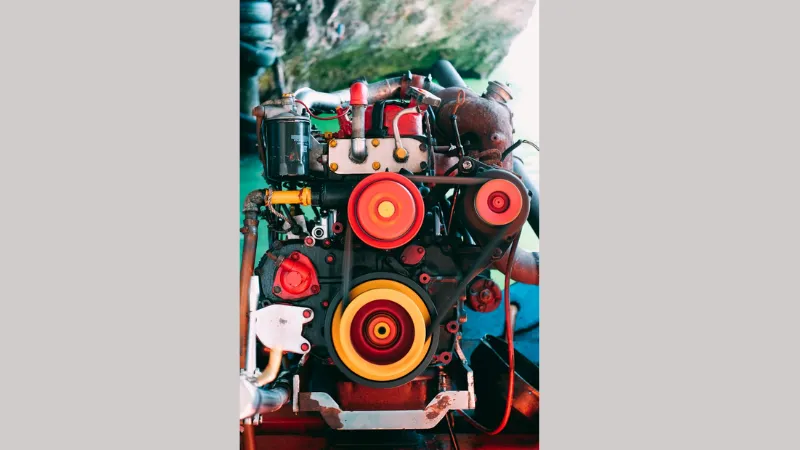
Efficiency is a key metric for measuring the success of a logistics business. A logistics trend report for 2025 mentions that diesel engines are roughly 20-30% more energy-efficient than their gasoline counterparts. This means you get more miles out of every gallon of fuel. This advantage is hard to ignore when fuel prices rise.
Higher energy density allows for longer routes without constant stops. Your drivers can cover more ground in a single shift. This boost in productivity is necessary for meeting tight delivery windows. Every minute saved at the pump is a minute spent moving freight.
Modern transmissions play a role in this efficiency. They are programmed to keep the engine in its sweet spot for fuel consumption. This synergy between the engine and the gearbox saves you money on every mile. You can track these gains using your fleet management software.
Technical Reliability and Design
The way these engines function sets them apart from other internal combustion designs. A research paper from a national renewable energy lab explains that these systems use compression-ignited injection to create power. The piston compresses the fuel until it reaches the point of ignition. This process is highly efficient and reliable.
- No spark plugs are required for the ignition process.
- High compression ratios lead to better thermal efficiency.
- The simplified design reduces the number of parts that can fail.
Strategic Improvements for the Future
Modern fleets are finding ways to be more environmentally friendly while sticking with their current engines. An update on fleet technology confirmed that these operations are the backbone of freight and will remain so through 2026. New software can reduce idling time to save fuel. This helps companies meet federal goals without replacing their entire fleet.
Clean diesel tech is a major part of this transition.
- Predictable fuel pricing helps with long-term bidding.
- High resale value for well-maintained diesel trucks.
- Widespread availability of fuel at almost every truck stop.
Choosing the fuel for your commercial fleet is about balancing power, cost, and reliability. Diesel continues to prove its worth on the road every day. It provides the strength needed for the toughest jobs in the country. Focus on maintenance and efficiency to keep your fleet moving forward for years to come.

