

Best Smart Glasses Brands in 2026: Top AI, AR and XR Companies
Aug 13, 2026 | By Devin Jacobs

 Follow us
 Follow us
Smart glasses are no longer just a future idea; they have become a reality today. The sector has shown significant growth in 2026. There are many businesses creating everything from commonplace AI glasses and AR display eyewear to enterprise devices for field service, warehouses, healthcare, and industrial operations.
What makes the market particularly interesting is that there is no single definition of what a “smart glasses brand” should be. Some companies focus on making glasses that look almost identical to normal eyewear, while others prioritize large virtual screens, spatial computing, gaming, or professional AR applications.
That is why choosing the best smart glasses brand in 2026 really depends on what you want the glasses to do.
In this article, we will see the best smart glasses brands in 2026: Meta, Google, XREAL, RayNeo, Snap, VITURE, Brilliant Labs, Even Realities, Vuzix, and Rokid. Each has a different approach to smart glasses, and that difference matters when you are comparing products.
What Makes a Smart Glasses Brand Stand Out in 2026?
The smart glasses market is moving quickly, but the strongest brands tend to share a few important qualities.
A good smart glasses company needs more than attractive hardware. The experience also depends on cameras, sensors, displays, AI capabilities, battery life, software, apps, developer tools, and the overall ecosystem surrounding the device.
Here are some of the factors worth considering:
- Product variety: Does the company offer different designs and form factors?
- AI capabilities: How useful are voice assistants, translation, vision and contextual features?
- Display quality: Is there a heads-up display or a larger AR viewing experience?
- Comfort and weight: Can the glasses realistically be worn for extended periods?
- Software ecosystem: Are apps, operating systems and developer tools well supported?
- Connectivity: How easily do the glasses connect to phones, computers, and other devices?
- Use case: Are they designed for entertainment, everyday life, gaming, work or enterprise environments?
- Long-term platform support: Does the brand appear committed to developing the ecosystem beyond one product?
With those factors in mind, here are the smart glasses brands worth watching in 2026.
1. Meta
Meta has arguably done more than most companies to make smart glasses feel like something people might actually wear every day.
Its partnership with EssilorLuxottica has been particularly important because products such as Ray-Ban Meta and Oakley Meta combine wearable technology with familiar eyewear designs. Instead of looking like a computer strapped to your face, the glasses are designed to blend into everyday life.
Meta’s lineup also covers a range of consumer needs, from AI-powered glasses and hands-free photography to models that add display functionality.
Some of its features are:
- Hands-free AI assistance
- Taking photos and videos
- Listening to music and calls
- Real-time translation
- Voice-based interaction
- Heads-up notifications on display-enabled models
- Social and content creation
2. Google
Google is taking a somewhat different route. Rather than simply competing on individual hardware products, the company is positioning Android XR as a broader operating system and development platform for the next generation of smart glasses and XR devices.
Google’s 2026 strategy includes partnerships with eyewear brands such as Warby Parker and Gentle Monster, while its collaboration with XREAL extends Android XR into a more advanced XR glasses format.
The major attraction here is Gemini.
Features of Google Stands
Google’s smart glasses bring its AI expertise directly into wearable computing.
Potential applications include:
- Multimodal AI assistance
- Real-time translation
- Contextual information
- Navigation
- Scene understanding
- Voice-controlled assistance
- Android-based app development
For developers and users interested in where AI glasses and Android XR could go next, Google is one of the most important names in the market.
3. XREAL
If your priority is a large virtual screen rather than a traditional pair of AI glasses, XREAL deserves serious attention.
XREAL specializes in display glasses that can turn a phone, computer or gaming device into something closer to a portable cinema or virtual monitor.
Its products are particularly appealing to people who want to work, play games or watch content without carrying around a physical monitor or television.
Why XREAL Stands Out
The company’s strengths include:
- Large virtual displays
- AR and spatial features
- Gaming-focused hardware
- Portable entertainment
- Productivity use
- High-refresh-rate display options
XREAL is therefore a strong choice for people seeking the best AR glasses for gaming, entertainment, and productivity, rather than traditional AI eyewear.
4. RayNeo
Because its collection includes both display glasses and more sophisticated standalone AR devices, RayNeo holds an intriguing position.
The RayNeo X3 Pro is particularly notable for combining a waveguide display, Snapdragon hardware, and AI capabilities. Meanwhile, the company’s Air series focuses more heavily on display-based entertainment.
Why RayNeo best
- Standalone AR capabilities
- Full-color display technology
- AI features
- Real-time translation
- Navigation
- Object recognition
- Media consumption
5. Snap
Snap has been working on AR glasses for years, and that experience gives the company a unique position in the smart glasses market.
Its Spectacles platform is closely connected to Lens Studio, which gives developers a mature environment for creating augmented-reality experiences.
That makes Snap particularly interesting for creators, developers, and businesses looking to build interactive AR experiences rather than simply buy smart glasses.
Why Snap Stands Out
Snap’s biggest advantages are its:
* The environment for AR development* The Lens Studio platform
* Experiences with space
* The community of developers
* Monitoring hands and surroundings* AR applications targeted at consumers
For developers looking for a smart glasses platform for AR development, Snap remains one of the most compelling choices.
6. VITURE
VITURE has built its reputation around display glasses designed for gaming, movies, remote work and portable entertainment.
The company’s Luma lineup and Beast model give users several ways to approach the category, from straightforward virtual-screen experiences to more advanced spatial features.
Why VITURE Stands Out
VITURE’s glasses are particularly suited to:
- Gaming
- Watching movies and streaming content
- Remote work
- Virtual monitors
- Portable entertainment
- Spatial computing
Its SpaceWalker software further expands the hardware's capabilities by allowing users to create virtual screens around them.
If your idea of smart glasses is essentially “I want a huge private screen wherever I go,” VITURE is one brand worth considering.
7. Brilliant Labs
Brilliant Labs takes a more developer-oriented approach.
Rather than locking users into a controlled ecosystem, the company emphasizes openness and customization. Its glasses are aimed at people who want to experiment with AI, hardware, and applications.
The company’s Halo glasses and development tools are particularly relevant to developers and researchers.
Features of Brilliant Labs
The brand focuses on:
- Open-source development
- AI experimentation
- Developer access
- Custom applications
- Hardware-level control
- Wearable AI research
This makes Brilliant Labs a particularly interesting choice for developers building custom AI glasses applications.
8. Even Realities
Even Realities approach smart glasses from a different angle: making them feel as normal as possible.
The company’s G2 emphasizes a lightweight, discreet design rather than trying to pack every possible feature into the frame.
The addition of the R1 Smart Ring also creates another way to interact with the glasses without constantly relying on voice commands.
Why Even Realities Stands Out
The brand focuses on:
- Lightweight eyewear
- Discreet AI assistance
- Minimalist design
- Translation
- Notifications
- Professional and everyday use
For someone who wants AI glasses that don’t look overly technical, Even Realities has a clear identity in the market.
9. Vuzix
Not everyone buys smart glasses to watch movies or take selfies. In factories, warehouses, hospitals and field-service environments, the technology can solve much more practical problems.
That’s where Vuzix stands out.
Enterprise AR glasses made for work settings are the company's primary emphasis. Its products are aimed at industries such as industrial work, healthcare, maintenance, logistics, and remote support.
Why choose Vuzix
- Warehouse operations
- Logistics
- Healthcare
- Field service
- Industrial inspection
- Remote assistance
- Maintenance and repair
10. Rokid
Rokid has built a broad product portfolio covering both AI glasses and AR display glasses.
That makes the company particularly interesting for people who aren’t sure whether they want screen-free AI glasses or a more traditional AR display experience.
Its lineup includes lightweight AI glasses as well as models designed for translation, navigation, gaming, entertainment and spatial computing.
Features of Rokid
- AI assistance
- AR displays
- Real-time translation
- AR navigation
- Portable entertainment
- Gaming
- Spatial computing
Best Smart Glasses Brands in 2026 at a Glance
| Brand | Best For | Main Strength |
| Meta | Everyday AI glasses | Consumer ecosystem and AI |
| AI and XR platform | Android XR and Gemini | |
| XREAL | AR displays | Gaming and virtual screens |
| RayNeo | Standalone AR | Display and standalone capabilities |
| Snap | AR development | Lens Studio and spatial AR |
| VITURE | Entertainment | Gaming and virtual displays |
| Brilliant Labs | Developers | Open-source AI glasses |
| Even Realities | Everyday AI | Lightweight, discreet design |
| Vuzix | Enterprise | Industrial and professional AR |
| Rokid | AI + AR hybrid use | Broad product range |
RECOMMENDED FOR YOU


Is Faspeinfo the Right Place to Find Answers, Study Guides and Educational Materials?
Devin Jacobs
May 30, 2026

Are Smart Glasses Worth Buying in 2026?
Smart glasses have become much more interesting, but whether they are worth buying depends heavily on your expectations.
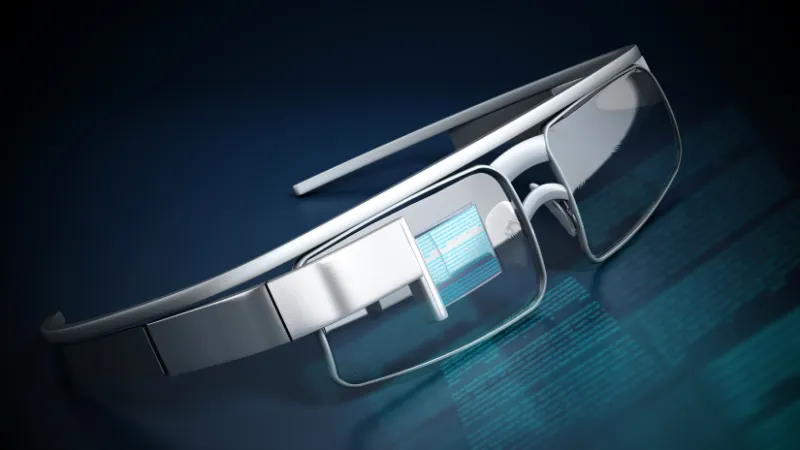
If you want a pair of glasses that can take photos, answer questions, play audio and provide AI assistance without reaching for your phone, today’s AI glasses are already practical.
Display glasses offer another experience altogether. They can give you a huge virtual screen for gaming, entertainment or productivity while keeping the hardware relatively portable.
The bigger opportunity may be what happens next. As AI assistants become better at understanding images, speech and context, glasses could become a more natural interface between people and digital information.
At the same time, hardware companies are working on better displays, lighter designs, longer battery life and more useful spatial computing features.
Conclusion
The smart glasses market in 2026 has grown into several different categories rather than being a simple competition between brands. This variety gives buyers more choices, but instead of looking for one brand that is best for everyone it is better to first decide what you want your smart glasses to do. Once you know your needs, choosing the right brand becomes much easier.
FAQs
Which smart glasses brand is best for everyday AI assistance?
Are smart glasses worth buying in 2026?
What is the difference between AI smart glasses and AR display glasses?
Which smart glasses are best for gaming and entertainment?
Which smart glasses brand is best for AR gaming in 2026?
Which company makes the best smart glasses for developers?
What are the best smart glasses for enterprise use?
Which smart glasses are best for productivity and virtual screens?
Are Meta Ray-Ban smart glasses better than XREAL smart glasses?
Which smart glasses brands offer standalone AR experiences?
What should I look for when choosing a smart glasses brand in 2026?
Which smart glasses are best for real-time translation?
What is the best smart glasses company for enterprise AR development?
Recommended Stories for You

Devin Jacobs Mar 30, 2026

Devin Jacobs May 21, 2026

Devin Jacobs Jul 10, 2026

Snapjotz.com: Ultimate Platform for Simplified Content Creation and Seamless Team Collaboration
Devin Jacobs Mar 30, 2026

Devin Jacobs Mar 24, 2026

Devin Jacobs May 26, 2026
Trending Stories

Home Equity Loan Explained: How Loan Against Property Works in India

Abraham Quiros Villalba: Inspiring Journey of a Forward-Thinking Visionary Innovator

What Is QueekMag com? A Complete Guide to Its Content and Features

Billy Carson Net Worth and Biography
Is Faspeinfo the Right Place to Find Answers, Study Guides and Educational Materials?

How to Start an Online Bookstore in 2026

Latest FeedBuzzard com: Features, Benefits & Review

PrecoWeb Com Review: Everything You Need to Know in 2026

