
7 Best Website Builders for Small Businesses in the UK (2026)
Aug 6, 2026 | By Devin Jacobs
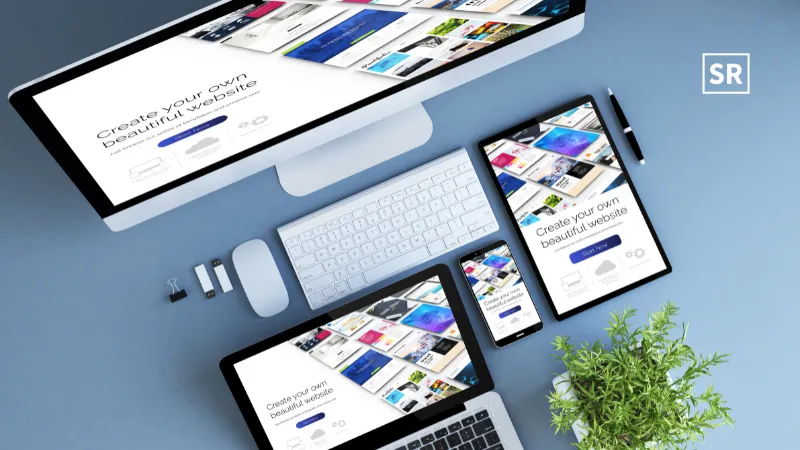
Having a website is not only for big businesses anymore;; today it also matters. For a small business, it serves as the venue where prospective clients learn about your offerings, verify your business hours, browse products, read reviews, schedule visits, and decide whether they have enough confidence to reach out.
 Follow us
 Follow us
The good news is that you don’t need to be a web developer to build one.
Today’s website builders make it possible to create a professional-looking business website without writing code or spending thousands of pounds on a developer. Many also include AI tools, SEO features, ecommerce functionality, marketing tools, and customer support so that you can manage much more of your online presence from one place.
A local tradesperson may only need a simple website with a contact form and service pages. A photographer may care more about beautiful templates and image presentation. An online retailer, meanwhile, needs strong ecommerce, inventory and payment tools.
RECOMMENDED FOR YOU



Droven.io: Leading AI Startup in the USA Transforming Automation and Business Efficiency
Devin Jacobs
Apr 16, 2026
To make the choice easier, we’ve compared some of the leading website builders for small businesses based on ease of use, design, features, pricing, ecommerce capabilities, AI tools and overall value.
Best Website Builders for Small Businesses
| Website Builder | Best For | Starting Price* | Free Option/Trial | Standout Feature |
| Wix | Best overall | From £9/month | Free plan | Flexible editor and extensive features |
| Squarespace | Design-focused businesses | From £12/month | 14-day trial | Professional templates |
| Hostinger | Tight budgets and side hustles | From around £2/month on long-term deals | 7-day trial | Affordable AI-powered tools |
| GoDaddy | Local businesses | From £7.99/month | Free plan | Simple setup and marketing tools |
| Shopify | Ecommerce businesses | From £19/month annually | 3-day trial | Powerful online selling features |
| IONOS | Budget-conscious businesses | Introductory plans from around £1/month | Varies | Affordable business-focused tools |
| WordPress.com | Content-heavy websites | From around £3/month | Free plan | Themes and content flexibility |
1. Wix – Best Overall Website Builder for Small Businesses
If you want one website builder that can do a bit of everything, Wix is a strong place to start.
Its biggest advantage is flexibility. You can use a drag-and-drop editor to build your website yourself, choose from a large library of templates, add business apps and use AI tools to speed up the process.
For a small business owner who doesn’t want to spend weeks learning website design, that’s a major advantage.
Why Wix stands out
Wix works particularly well for businesses that need more than a basic online brochure. You can create pages for your services, add contact forms, integrate booking tools, publish a blog, optimise pages for search engines and even build an online store.
Its AI tools can also help generate parts of a website, content and images, which can be useful when you’re starting with a blank page and aren’t sure where to begin.
Best for:
- New small businesses
- Service-based companies
- Local businesses
- Freelancers
- Businesses that want plenty of design flexibility
- Owners who want built-in AI tools
Pros
- Easy drag-and-drop editing
- Large selection of templates
- Useful AI website-building tools
- Strong selection of business apps
- SEO and marketing features
- Free plan available
- Suitable for a wide range of industries
Cons
- The large number of features can feel overwhelming.
- Ecommerce can become more expensive as your needs grow.
- Some advanced features may be unnecessary for a very simple website.
Wix pricing
Wix offers a free option, while paid plans start from around £9 per month in the source comparison. Higher tiers provide more storage, business features and ecommerce functionality.
Best choice if: you want an all-round website builder that can grow alongside your business.
2. Squarespace – Best for Professional Design
If appearance matters a lot to your business, Squarespace deserves serious consideration.
It has built a reputation around stylish templates and polished layouts, making it particularly attractive for creative and service-based businesses.
Think photographers, designers, consultants, restaurants, interior businesses and personal brands.
Squarespace is also designed to be approachable for beginners. Its editor uses a structured layout system that helps keep pages looking neat, even if you don’t have much experience with web design.
Why Squarespace stands out
The biggest selling point is simple: your website can look professional without requiring professional design skills.
The platform also includes ecommerce tools, appointment functionality and AI-powered features, giving businesses more than just attractive templates.
Best for:
- Creative businesses
- Photographers
- Designers
- Consultants
- Service businesses
- Brands that care strongly about presentation
Pros
- High-quality templates
- Beginner-friendly editor
- Strong visual design
- Appointment and booking tools
- AI website-building features
- Helpful business tools
Cons
- No permanent free plan
- Less suitable for complex ecommerce operations than Shopify
- Some advanced features cost extra.
Squarespace pricing
The Squarespace plans start from £12 per month.
Best choice if: you want a stylish, professional website and don’t want to compromise heavily on design.
3. Hostinger – Best Affordable Website Builder for Small Businesses
Not every small business has a large website budget.
If you’re launching a side hustle, testing a business idea or simply trying to keep monthly expenses low, Hostinger is one of the most attractive options.
Its long-term promotional pricing can make it considerably cheaper than many competitors, while its website builder includes drag-and-drop editing and AI tools.
Why Hostinger stands out
The combination of affordability and simplicity is what makes Hostinger interesting.
You can use AI to help generate website content, images and even the structure of your site, while the drag-and-drop editor allows you to make changes without coding.
The platform also offers ecommerce functionality on its business-focused plans.
Best for:
- Startups
- Side hustles
- Freelancers
- Solopreneurs
- Small businesses with limited budgets
Pros
- Very affordable introductory pricing
- Easy-to-use editor
- AI website-building tools
- Templates for different business types
- SEO and marketing tools
- Ecommerce capabilities on higher plans
- Useful for beginners
Cons
- Renewal pricing can be higher than introductory offers.
- Fewer advanced options than some larger platforms
- Not necessarily the best choice for a rapidly expanding ecommerce operation
Hostinger pricing
The supplied source material shows long-term promotional pricing from roughly £2.69 per month, depending on the plan and offer.
Always check the current renewal price before committing to a long-term subscription.
Best choice if: you need a professional website without putting a big dent in your startup budget.
4. GoDaddy – Best for Simple Local Business Websites
Sometimes you don’t need hundreds of features.
If you’re running a local shop, trades business, consultancy or small service company, you may simply want a website that tells customers who you are, what you offer and how they can contact you.
That’s where GoDaddy can make sense.
Its website builder focuses heavily on simplicity, allowing beginners to launch a basic website without spending hours learning complex design tools.
Why GoDaddy stands out
GoDaddy is particularly useful for small businesses that want to combine website building with basic marketing.
Its tools can help with social media, email marketing and customer communication, making it easier to manage some of your online presence from one platform.
Best for:
- It is best for Local businesses.
- Small-scale service providers
- Entrepreneurs who require a rapid online presence
Pros
- User-friendly interface
- Fast website setup
- Free option offered
- Promotional tools
- Customer service
Cons
- Not as much design flexibility as Wix or Squarespace
- Not the best option for advanced ecommerce
- Companies desiring extensive customization might consider it limiting.
GoDaddy pricing
The supplied comparison lists paid plans starting at approximately £7.99 per month when billed annually, although prices may vary and are subject to VAT.
Best choice if: you want a straightforward website for a local or service-based business and don’t want to overcomplicate things.
5. Shopify – Best Website Builder for Ecommerce
If your small business is primarily an online shop, Shopify changes the conversation.
Rather than simply helping you build a website, Shopify is designed around selling online.
That means you’ll find tools for products, inventory, payments, checkout, shipping, marketing and customer management.
Why Shopify stands out
For businesses with a growing product catalogue, Shopify’s ecommerce depth is difficult to ignore.
You can list unlimited products, connect additional apps, manage inventory and use tools designed to improve the buying journey.
Features such as abandoned-cart recovery can also help businesses recover sales that might otherwise be lost.
Shopify has also invested heavily in AI, including tools designed to help merchants create content and manage their stores more efficiently.
Best for:
- Online sellers benefit most from it.
- Product-oriented companies
- Expanding online retailers
- Companies that have more inventory
- Businesses intending to expand online.
Pros
- Excellent ecommerce tools
- Unlimited product listings
- Strong inventory management
- Large app ecosystem
- AI-powered tools
- Designed for business growth
Cons
- More expensive than basic website builders
- Can feel complicated for beginners
- Overkill if you only need a simple company website
- Apps and premium themes can add to the overall cost.
Shopify pricing
The supplied source lists annual pricing from around £19 per month for the Basic plan, with more advanced plans costing significantly more.
Best choice if: selling products online is the main purpose of your website.
6. IONOS – Best Budget Option for Small Businesses
IONOS is another option worth considering if affordability is a top priority.
Its website-building service combines an easy editor with business-oriented tools, making it suitable for small and medium-sized businesses that want to establish an online presence without getting overly technical.
Why IONOS stands out
One feature that may appeal to businesses serving international customers is its multilingual support. The source material highlights support for websites in more than 60 languages.
Its AI website builder can also help beginners create a site by asking questions about their business and generating starting-point designs.
Best for:
- Small and medium-sized businesses
- Budget-conscious owners
- It is best for Beginners.
- Businesses that need multilingual support
Pros
- Competitive introductory pricing
- AI website builder
- Drag-and-drop editing
- Marketing and analytics tools
Cons
- A smaller variety of templates
- Less adaptability in design than some rivals
- Users who seek extensive customization may find the editor restrictive.
Best choice if: keeping costs low while still getting practical business features is your main priority.
7. WordPress.com – Best for Content-Focused Businesses
WordPress.com is worth considering if your website will rely heavily on content.
It can be particularly useful for businesses that want to publish articles, guides, news or other long-form content as part of their marketing strategy.
One important point is that WordPress.com and WordPress.org are not the same thing.
WordPress.com is a hosted service, while WordPress.org is open-source software that requires you to arrange your own hosting.
Best for:
- Bloggers
- Publishers
- Content marketing businesses
- Businesses that want a content-heavy website
- Users who want access to a large ecosystem of themes
Pros
- Free option
- Large selection of themes
- Strong content management capabilities
- Flexible for the publishing options
Cons
- Some advanced functionality requires a paid plan.
- Plugins and themes have restrictions depending on your plan.
- Can feel more complicated than beginner-first website builders
Best choice if: publishing content is an important part of your marketing strategy.
Which Website Builder Is Best for Your Small Business?
There’s no single website builder that’s perfect for everyone.
The best option depends on what you’re actually trying to accomplish.
Choose Wix if you want an all-rounder.
Wix is a good starting point if you want a flexible platform that can handle everything from a simple business website to ecommerce, bookings, marketing and SEO.
Choose Squarespace if design is your priority.
If your business relies heavily on presentation and branding, Squarespace’s polished templates make it an appealing choice.
Choose Hostinger if you’re on a tight budget.
For startups and side hustles, Hostinger offers a strong combination of affordability, simplicity and AI tools.
Choose GoDaddy if you need something simple.
For a local business that mainly needs contact details, service information and basic marketing tools, GoDaddy can keep things straightforward.
Choose Shopify if you’re selling products.
If ecommerce is at the heart of your business, Shopify is the obvious option to investigate first.
Choose IONOS if affordability and international reach matter.
IONOS is worth considering if you want budget-friendly plans and multilingual capabilities.
Choose WordPress.com if content is central to your strategy.
For businesses that plan to drive traffic through blogs, articles, and other content, WordPress.com provides a robust publishing environment.
How Much Does a Small Business Website Cost?
The answer depends on the platform and the features you need.
The sources reviewed for this guide show that website builders can range from free plans to well over £100 per month for advanced business packages.
For a basic small-business website, you may be able to start with a relatively inexpensive plan.
Free vs Paid Website Builders: Which Is Better?
Free website builders can be useful when you’re experimenting, learning or creating a personal project.
For a serious business, though, a paid plan is usually the better option.
Why?
A free website commonly comes with limitations such as:
- A platform-branded subdomain
- Provider advertising
- Limited storage
- Fewer business tools
- Limited ecommerce capabilities
- Reduced customisation
A professional business website should ideally have its own domain name.
Instead of something like:
yourbusiness.builder.com
you want something closer to:
yourbusiness.co.uk
A custom domain immediately looks more professional and is easier for customers to remember.
What Is the Easiest Website Builder for a Small Business?
If ease of use is your biggest concern, Wix, Hostinger and GoDaddy are among the options worth considering.
Wix combines a beginner-friendly drag-and-drop editor with a large feature set.
Hostinger focuses on simplicity and affordability, while its AI tools can help you get a starting website online quickly.
GoDaddy takes an even more straightforward approach and can work well for local businesses that don’t need complex functionality.
Squarespace is also particularly beginner-friendly, especially for businesses that prioritize a polished visual presentation.
Can AI Build a Small Business Website?
Yes, many modern website builders now use AI to speed up website creation.
Instead of starting with an empty page, you can describe your business and allow the platform to generate a starting design.
AI tools can also help with:
- Website layouts
- Written content
- Images
- Product descriptions
- Blog posts
- SEO suggestions
- Marketing content
- Social media posts
But AI shouldn’t completely replace human judgement.
Generated content still needs to sound like your business, accurately describe your services, and provide customers with useful information.
The best approach is to use AI to save time, then add your own experience, personality and expertise.
How to Choose the Best Website Builder for Your Business
Before signing up for anything, ask yourself a few simple questions.
What is the main purpose of my website?
A simple company website has very different requirements from an online shop.
How much can I realistically spend?
Look beyond promotional pricing and check renewal costs.
Do I need ecommerce?
If you’re selling lots of products, Shopify may be worth the additional investment.
Do I need bookings?
Service businesses should check whether their preferred platform supports appointment scheduling.
How important is design?
If your website is part of your brand experience, Squarespace or Wix may be a better fit.
Will I need to scale?
A cheap website builder can be perfect today but frustrating six months from now if your business grows quickly.
Do I need AI tools?
AI can speed up website creation, but don’t choose a platform based solely on an AI feature. The underlying editor, support, SEO tools and business functionality matter too.
Conclusion
For most small businesses, Wix is the strongest all-round choice because it balances ease of use, design flexibility, business features, SEO tools, AI functionality and room to grow.
However, that doesn’t automatically make it the right platform for you. The important thing is not to choose the platform with the longest feature list. Choose the one that solves your actual business problem.
A small business doesn’t need a website packed with tools nobody uses. It needs a site that loads properly, looks trustworthy, works on mobile, is easy for customers to navigate and makes it simple for people to contact you or buy from you.
Start with those priorities, and choosing the right website builder becomes much easier.
FAQs
What is the best website builder for small businesses?
Is Wix good for small businesses?
Is Squarespace good for a small business website?
What is the cheapest website builder for small businesses?
Is Shopify good for small businesses?
Which website builder is easiest to use?
Do I need coding skills to build a small business website?
Can AI build my small business website?
What should I look for in a small business website builder?
Which website builder is best for ecommerce?
Recommended Stories for You

Devin Jacobs Aug 4, 2025

Devin Jacobs Jul 8, 2026
Devin Jacobs Apr 3, 2026

Devin Jacobs May 8, 2026

Devin Jacobs May 5, 2026

Devin Jacobs Apr 4, 2026
Trending Stories

Webitbgroup com: A Complete Guide and SEO Analysis

PlayBattleSquare Gaming Blog: Tips, Reviews and Strategies for Every Gamer

Is Advertising FeedBuzzard the Future of Digital Advertising?

Billy Carson Net Worth and Biography

How a Collaborative CRM System Improves Communication and Efficiency?
Pressvibepulse Com Review: Features, Safety, and User Experience

Ramtin Abdo: Deep Dive into His Business Success and Private Life
Abraham Quiros Villalba: Inspiring Journey of a Forward-Thinking Visionary Innovator

