

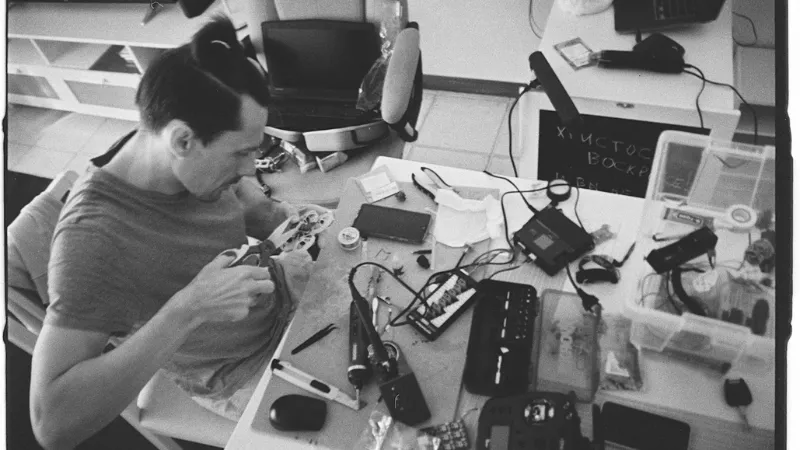
Building physical hardware requires a massive commitment of time and money. Tech founders face intense pressure to deliver flawless products to the market quickly. A single hardware failure can destroy a startup's reputation before the brand can even scale.
 Follow us
 Follow us
Smart teams focus on quality validation early in the design cycle. This protective mindset saves $10,000 or more in wasted materials and recall costs. Safeguarding your tech assets requires the right precision tools from the start.
Building Reliable Tech From Day One
Founders must select validation methods that keep prototypes intact during testing phases. A paper from an international engineering journal highlights that non-destructive testing evaluates materials without causing any physical damage.
Using these specialized methods keeps development budgets under tight control. Teams can verify structural strength and material consistency across multiple iterations.
RECOMMENDED FOR YOU

OXO Packaging Introduces Video Boxes with Enhanced Customer Experience for PR Campaigns
Startuprise
May 22, 2026

3 Tips Every Startup Needs to Know about Protecting Its Digital Content
Startuprise
Dec 18, 2025
Developing robust products requires deep insight into how components behave under stress. Traditional destructive tests waste valuable time and reduce the number of available testing units. Shifting to non-destructive validation gives engineers more data points per component.
Advanced Inspection For Better Hardware
Founders need perfect precision when testing delicate component layers. Spotting deep internal defects using shearography NDT or other advanced optical methods protects your hardware investments from early field failures. These methods allow production teams to spot tiny material flaws before mass assembly begins.
Early testing keeps manufacturing yields high and prevents unexpected supply chain delays. Delicate aerospace or automotive electronics require this exact type of scrutiny. Your engineering team can maintain complete confidence in every unit shipped.
Advanced inspection tech functions as a shield against hidden material weaknesses. Microscopic voids inside composite materials can compromise an entire batch of devices. Spotting these issues early protects your market launch timeline.
Smarter Manufacturing Measurements
Precision demands automated inspection options that match or beat human capabilities. A recent preprint study demonstrated a high degree of correlation between machine and manual measurements exceeding 0.95, with an average relative error below 2%.
This statistical data proves that automated tracking systems deliver excellent consistency on the factory floor.
Implementing automated inspection tools provides several key operational advantages to growing startups. Engineers can track production quality without slowing down the assembly line.
- Improved yield tracking across large manufacturing runs
- Better data collection for long-term product updates
- Drastic reductions in manual labor expenses
These advantages help hardware startups scale up production smoothly. High-accuracy tracking helps maintain strict quality standards across thousands of units. Modern production lines require this level of data tracking to remain competitive.
Future Proofing With Smart Systems
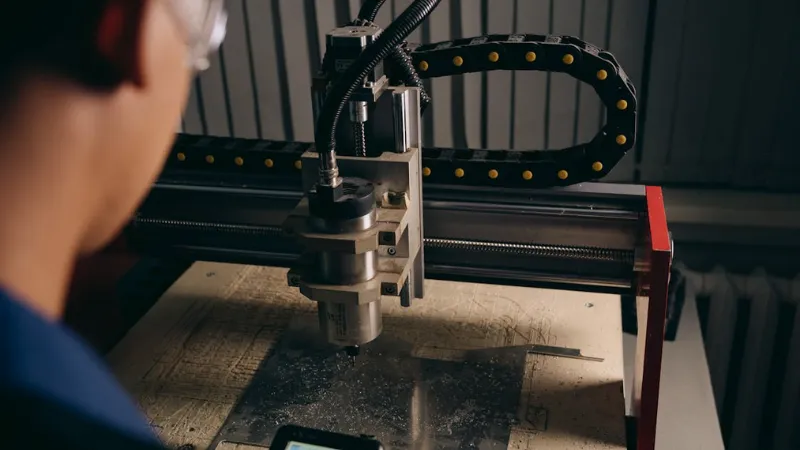
Modern hardware relies on intelligent software loops or feedback mechanisms to maintain peak mechanical performance.
A research paper published in a mechanical engineering journal suggests that the future of artificial intelligence should center on explainable models, hybrid modeling techniques, and advanced sensor technology.
Integrating advanced sensors provides real-time feedback during regular operation. Tech products can monitor their own wear patterns over 3 or 4 years of heavy use.
Smart sensors convert static hardware into an adaptive ecosystem. Devices can self-calibrate when environmental conditions shift unexpectedly. This reduces support tickets and keeps customers satisfied with product performance.
Creating durable hardware is a long journey that requires strict attention to detail. Utilizing precise tracking and non-destructive evaluation tools keeps companies ahead of the competition.
Founders can scale their production lines with confidence when they know their underlying technology is secure. High precision engineering guarantees that your product survives the test of time.
Recommended Stories for You

Startuprise Apr 4, 2026

Startuprise May 9, 2026

Startuprise Jul 16, 2026

Startuprise Apr 30, 2026

Startuprise Apr 7, 2026

Startuprise Apr 21, 2026
Trending Stories
Construction Startup Growth Starts With Supporting Your Workforce

Essential Considerations When Choosing a Commercial Building

The Best Website Audit Tools to Find and Fix SEO Issues in 2026

Prometheum Raises Additional $23M in Funding

Top Tools to Create Professional Lip Sync Videos Without a Studio

Bootstrapping 2.0: Selling Your House to Fund Your Startup

10 Best State 529 Plans in Order for Tax-Advantaged College Investment Plans

Benefits of Checking Accounts Many People Don’t Know

