

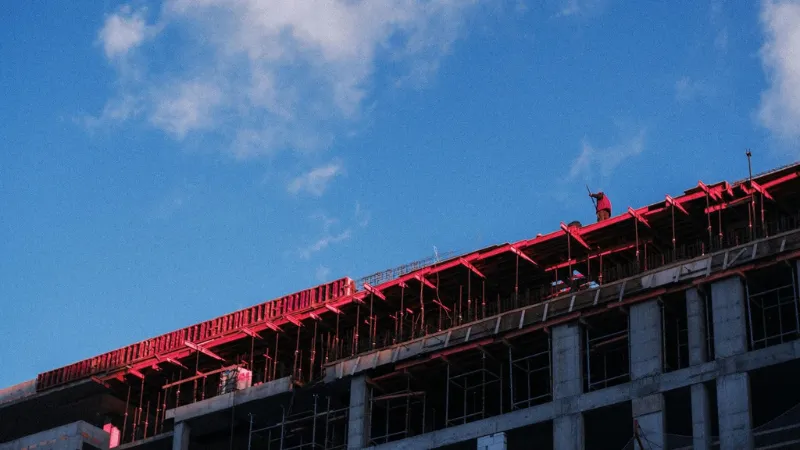
Finding the right commercial property requires clear planning and thorough research. A business needs a space matching daily operations, budget parameters, and future growth plans. Smart choices early in the process save tens of thousands of dollars later.
 Follow us
 Follow us
Buying or leasing commercial real estate impacts every aspect of operations. Strategic decisions safeguard working capital and set up long-term operational success.
Evaluating Site Selection Requirements
Before looking at prospective buildings, business owners must understand their spatial requirements. Internal teams should list required square footage, loading dock access, and parking capacity. A community development organization pointed out that site selection comes after the needs assessment is completed.
Starting property tours without a completed needs assessment leads to wasted energy. Knowing actual operational space requirements narrows down potential listings quickly. Companies save precious weeks by sticking to defined criteria.
RECOMMENDED FOR YOU
5 Best Business Internet Providers in Augusta Georgia: Which Ones Bundle LTE Backup
Startuprise
Sep 14, 2026


Gathering input from key department managers guarantees the chosen building supports daily workflows. Operations, logistics, and human resources teams offer critical insights into physical layout needs. Clear communication prevents buying a property that requires costly immediate retrofits.
Assessing Long-Term Property Structural Integrity
Commercial buildings experience constant wear from weather exposure and daily business activity. Decision-makers who take time to read more about durability can budget effectively for future capital repairs. Inspecting foundational components prevents sudden emergency expenses.
Older properties often hide structural fatigue behind fresh exterior paint. Professional engineering inspections uncover hidden issues before purchasing contracts close. Spending money on early inspections protects capital reserves for future years.
Structural repairs take significant time and disrupt daily business workflows. Unplanned closures during structural remediations lead to lost revenue and client dissatisfaction. Thorough physical assessments give buyers total clarity before signing final agreements.
Location Benefits For Employees And Foot Traffic
Property location directly influences client access and worker retention rates. Choosing a building near major public transportation routes expands the potential labor pool. An environmental agency highlighted that building in dense, transit-oriented areas promotes walkability and helps people drive less.
Pedestrian activity drives walk-in sales for retail operations. Easy street visibility reduces marketing spend needed to attract local foot traffic. Choosing accessible neighborhoods improves employee satisfaction rates across departments too.
Commute convenience plays a big role in workplace morale and daily attendance. Long, complex commutes increase employee turnover and reduce workforce satisfaction. Selecting accessible sites keeps existing team members engaged.
Reviewing Warranty Coverage And Replacement Costs
Roofing systems represent major capital expenditures for commercial property owners. Replacing an outdated roof costs tens of thousands of dollars unexpectedly. A regional roofing association noted that most manufacturers offer roof warranties extending 15 to 30 years.
Checking existing warranty papers reveals remaining coverage time. Owners must confirm whether existing warranties transfer to new buyers during property sales. Uncovered replacement costs quickly strain company operating budgets.
Understanding roof age and maintenance logs helps buyers negotiate fair purchase terms. Sellers may offer repair credits when roofing components approach the end of their service lives. Smart buyers use inspection findings during price negotiations.
A good inspection can find problems you can't see from the ground. Buyers should check records of past leaks, repairs, and upkeep. These details show how well the roof has been cared for. They help estimate future repair bills. Planning gives buyers a clearer picture of the home's total costs.
Analyzing Utility Infrastructure And Energy Expenses
Utility infrastructure directly dictates monthly operating overhead costs. Aging electrical panels and outdated climate systems increase monthly electric bills. Modern insulation standards keep climate control costs under control during seasonal shifts.
Buyers should review 12 months of utility records prior to closing deals. Major items to check include:
- Electrical service amperage ratings for heavy machinery
- Plumbing capacities for high-occupancy commercial use
- Heating and cooling system maintenance history logs
Comparing past utility costs against modern efficiency standards highlights potential upgrades. Investing in energy upgrades early reduces long-term operational costs. Modern heating and cooling systems lower monthly utility spend further.

Navigating Local Zoning Laws And Growth Constraints
Zoning laws dictate how properties get used across municipal boundaries. Local regulations set strict limits on signage, noise levels, and operating hours. Verifying current zoning status avoids legal disputes with local planning boards.
Future expansion plans require flexible site layouts and extra yard space. Companies growing rapidly outgrow rigid commercial spaces within 3 years. Securing properties with expansion potential prevents premature moving expenses.
Permitting processes for property expansions take months or years to finalize. Understanding municipal zoning restrictions prevents buying land that cannot accommodate planned facility expansions. Long-term spatial flexibility supports business stability.
Selecting the right commercial property requires balancing budget realities with long-term operational needs. Thorough property inspections, location reviews, and financial planning protect company capital. Taking a systematic approach allows a business to secure a facility ready to support ongoing operations and future expansion.
Recommended Stories for You

Startuprise Aug 7, 2026

Startuprise Apr 9, 2026

Startuprise Aug 19, 2026

Startuprise Nov 28, 2025

Startuprise Jul 16, 2026

Startuprise Sep 23, 2026
Trending Stories

Mail In Your Diecast Race Car

How Reputation Management Influences Business Growth in Competitive Markets
Building Your First Premises: Choosing Smart Infrastructure

7 Marketing Strategies for High-Growth Startups

Why Every Business Website Should Have a Blog

Why Browser Security Matters More Than You Think for Startup Founders

Future-Proofing Hardware: Precision Tech for Tech Founders

Why Your Business Needs Local IT and Managed Services Support

