

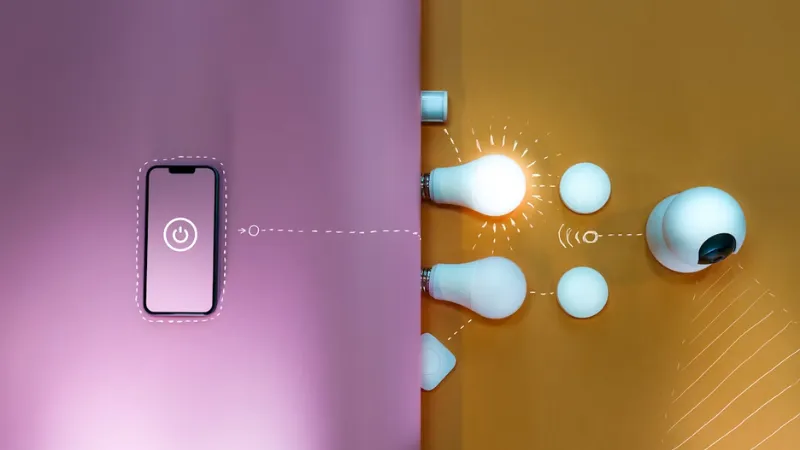
Technology-driven real estate market, the concept of the “smart home” has swiftly transitioned from a futuristic luxury to an expected standard. Modern home automation is no longer restricted to controlling a single light fixture with a smartphone app. Instead, it has evolved into a comprehensive property investment strategy that can significantly enhance a home’s marketability, functional appeal, and overall appraisal value. Whether planning to list a property in the near future or aiming to maximize long-term equity, understanding the direct connection between automated technology and real estate value is essential for modern homeowners.
 Follow us
 Follow us
The Shift in Buyer Expectations
The demographics of homebuyers have undergone a massive transformation over the past decade. Younger demographics, particularly Millennials and Gen Z, now represent a major share of active home purchasers. Having grown up in a fully connected digital world, these buyers arrive at property showings with clear expectations regarding technological integration. When evaluating a prospective home, they look beyond conventional elements like quartz countertops or hardwood flooring; they actively seek out integrated smart ecosystems that simplify daily living.
For these buyers, a home pre-equipped with modern automation sends a clear signal: the property is well-maintained, technologically current, and ready for future innovations. Conversely, properties lacking these features can be perceived as outdated, implying that the buyer will need to dedicate immediate capital toward retrofitting the space. As a result, homes featuring integrated smart technology consistently attract stronger buyer interest, experience reduced time on the market, and frequently command higher purchase offers.
Maximizing Energy Efficiency and System Performance
Beyond software, the true value of home automation lies in how effectively these digital controls interact with a property’s underlying mechanical systems. Upgrading fundamental heating, cooling, and plumbing infrastructure creates the solid operational foundation required for high-performing smart integration. If you are looking to upgrade your home’s essential plumbing, heating, or electrical systems to align with modern standards, please click here; this focus on sustainability resonates strongly with modern purchasers. Respected policy and research organizations consistently demonstrate that smart automation combined with efficient building systems significantly lowers residential carbon footprints and stabilizes grid demand. Buyers are routinely willing to pay a premium for properties that combine environmental responsibility with lower baseline operating costs.
RECOMMENDED FOR YOU

How Modern SaaS Platforms Use QR Codes to Drive User Onboarding and Growth
Startuprise
Aug 13, 2026

Why Contract Intelligence Is Becoming Essential for Modern Construction Teams
Startuprise
Mar 19, 2026

Enhanced Security and Peace of Mind
Security remains a paramount consideration for home buyers, and automated technology has revolutionized residential protection. Conventional deadbolts and standalone alarms are rapidly being replaced by fully integrated smart security networks. These solutions feature synchronized video doorbells, keyless smart locks, motion-activated illumination, and remote monitoring capabilities that can be managed from anywhere in the world.
From a real estate valuation perspective, a sophisticated security infrastructure provides an immediate psychological advantage during property showings. Buyers feel instant confidence knowing the home offers built-in protection against intrusion and environmental hazards, such as water leaks detected by smart plumbing sensors. Furthermore, major insurance providers frequently extend discounts on homeowners insurance premiums for properties equipped with monitored smart security systems, offering tangible ongoing financial savings that increase the property’s overall appeal.
Impact on Professional Real Estate Appraisals

While traditional appraisals have historically focused on baseline variables like total square footage, geographical location, and structural condition, the appraisal industry is increasingly factoring smart technology into its evaluations. While a standalone gadget may not yield a direct dollar-for-dollar valuation increase, permanent automated upgrades contribute positively to a property's overall "quality and condition" rating.
Appraisers distinguish between portable smart devices, such as plug-in smart plugs that sellers take when moving, and built-in, hardwired systems. Integrated features such as smart electrical subpanels, automated HVAC controls, built-in sound systems, and motorized window treatments represent permanent capital improvements. These fixtures elevate the property’s standard relative to comparable homes in the neighborhood, justifying a higher valuation range during the appraisal process.
Elevating Daily Convenience and Lifestyle Appeal
Beyond the tangible metrics of security and energy savings, modern home automation provides a highly persuasive emotional selling point: an elevated daily lifestyle. The convenience of pre-programmed routines, such as waking up to gradually opening shades, automated climate adjustments, and customized lighting scenes, creates a luxurious living environment.
During home staging and open houses, demonstrating these seamless routines allows prospective buyers to visualize an effortless, high-tech lifestyle. By appealing to both practical logic and emotional desire, smart home technology transforms a standard house into a forward-thinking, highly desirable home.
Investing in modern home automation is a forward-looking strategy that yields substantial returns in personal comfort, operational cost savings, and long-term equity. By modernizing security, streamlining energy consumption, and delivering an elevated living experience, automated systems make a residential property stand out in a competitive market. Incorporating smart technology today ensures that your property remains relevant, highly marketable, and maximally valued for years to come.
Recommended Stories for You

Startuprise May 21, 2026

Startuprise Apr 7, 2026

Startuprise Apr 18, 2026

Startuprise Nov 25, 2025

Startuprise Nov 13, 2025

Startuprise Jul 14, 2026
Trending Stories

From SaaS to Smart SaaS: How AI Integration Is Reshaping Modern Products

Startup Founders Managing Focus and Consistency Challenges

Lifestyle Changes to Consider After an Injury

How To Scale Your Startup And Protect Your Bottom Line

The Importance of Maintaining Your Commercial Building’s Roof

The Future Of Operational Resilience In High-Growth Sectors

How Colorado’s Startup Boom Is Reshaping Commercial Spaces

How to Overcome Fear and Start Investing Today

