
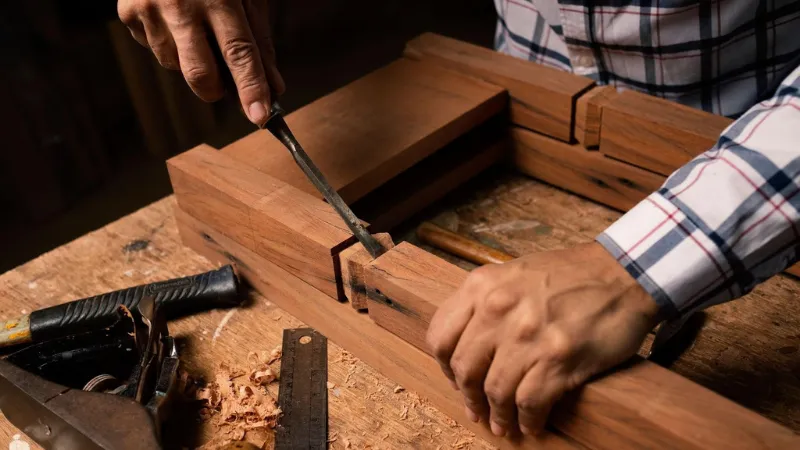
Turning a passion for crafting into a full-time profession is an amazing achievement. Working with your hands allows you to create unique items, but it also introduces daily physical risks. From sharp blades to chemical fumes, a studio can quickly become a hazardous environment if you are careless.
 Follow us
 Follow us
Protecting your physical health ensures that your business can thrive for years to come. Taking simple precautions prevents costly accidents and keeps your creative workflow moving forward without unexpected interruptions.
Organize Your Workspace For Maximum Movement
A cluttered studio invites accidents during a busy work session. Tripping hazards, tangled power cords, and stacked materials can easily lead to serious injuries. Setting up a workspace with clear walking paths minimizes these dangers significantly.
If an accident occurs because of unsafe conditions, defective equipment, or another party's negligence, seeking legal guidance may be necessary. For craft professionals dealing with injury-related claims, working with experienced personal injury attorneys, such as those at Eric Ramos Law, can help protect their financial stability and legal rights during recovery. Having knowledgeable legal support allows injured individuals to focus on healing while their case is handled appropriately.
RECOMMENDED FOR YOU
Small Businesses Can Benefit From Long-Lasting Commercial Flooring
Startuprise
Jul 24, 2026

What New Opportunities AI Wearables Can Open for Startups Across Different Industries
Startuprise
Jul 23, 2026
Keep your most frequently used tools within arm's reach to avoid overextending your back. Store heavy materials on lower shelves so they are easier to lift safely.
Maintain Proper Ventilation For Chemical Safety
Many craft projects require the use of strong glues, resins, paints, or solvents. Working with these materials in a closed room allows toxic vapors to build up rapidly. Air quality should always be a top concern for any serious crafter.
A recent studio safety guide emphasized that keeping proper airflow running through your workspace is one of the most critical elements of a safe environment. Open your windows and run exhaust fans to pull dangerous fumes away from your face.
If you work in a basement or a room without windows, consider investing in a high-grade air filtration system. Never rely on a standard household fan to clear out chemical vapors, as it only moves the toxic air around the room.
Wear Certified Respirators For Dust Control
Some crafting tasks produce fine particles instead of liquid vapors. Woodworking, pottery, and sanding resin all create microscopic debris that can damage your lungs over time.
- Use a certified N95 mask when mixing dry glues, clay, or glazes to prevent inhaling dangerous dust.
- Clean your workspace with a wet mop or a specialized vacuum rather than sweeping dry dust into the air.
- Keep a separate set of clothing for dusty tasks so you do not track particles into your living space.
Keep Cutting Tools Sharp And Properly Stored
Working with dull blades is actually much more dangerous than working with sharp ones. When a blade cannot cut through a material easily, you are forced to apply extra pressure.
This extra force increases the likelihood of your hand slipping off the material. Keep a sharpening stone nearby and check your blades before starting every new project.
Store all utility knives, rotary cutters, and chisels in protective sheaths when they are not in use. Never leave an exposed blade lying loose on a table or buried inside a drawer where you might reach for it blindly.
Invest In Ergonomic Seating And Workbenches
Professional crafters spend long hours sitting or standing in the exact same position. This repetitive strain can lead to chronic back pain, carpal tunnel syndrome, and stiff joints.
Adjust your workbench height so that your elbows rest at a comfortable 90-degree angle while you work. If you prefer standing, use a thick anti-fatigue mat to cushion your feet and reduce pressure on your lower back.
Manage Electrical Cords Safely
Using multiple power tools, heat guns, and sewing machines can easily overload your electrical circuits. Plugging too many high-wattage devices into a single extension cord creates a serious fire hazard.
- Inspect all electrical cords regularly for fraying, exposed wires, or bent plugs.
- Position your cords flat along the walls rather than running them across open walking areas.
- Unplug all heating elements, such as glue guns and soldering irons, the exact moment you finish using them.
Protect Your Eyes And Skin From Splinters And Splashes
Flying debris can cause permanent eye damage in a fraction of a second. Safety glasses are absolutely necessary when operating saws, dremels, or wire cutters.
Select safety goggles that offer side protection to block stray materials from entering your eyes from an angle. Keep a pair of heavy-duty gloves nearby for handling rough wood, metal sheets, or hot items.
For delicate tasks that require high dexterity, look for thin, puncture-resistant gloves. Guarding your skin against hot glue burns and chemical spills prevents painful injuries that can sideline you for weeks.
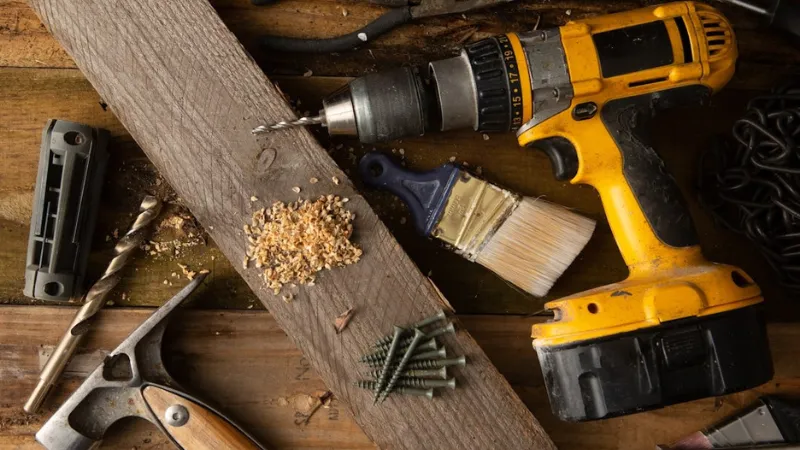
Your hands and your health are the most valuable assets in your crafting business. Taking a little extra time to secure your environment keeps your creative career safe, productive, and highly enjoyable.
Recommended Stories for You

Startuprise Jan 21, 2026

Startuprise Jun 12, 2026

Startuprise Apr 9, 2026
Startuprise Sep 7, 2026

Startuprise Jul 16, 2026

Startuprise Jun 24, 2026
Trending Stories
Construction Startup Growth Starts With Supporting Your Workforce

Essential Considerations When Choosing a Commercial Building

The Best Website Audit Tools to Find and Fix SEO Issues in 2026

Prometheum Raises Additional $23M in Funding
Top Tools to Create Professional Lip Sync Videos Without a Studio
Bootstrapping 2.0: Selling Your House to Fund Your Startup
10 Best State 529 Plans in Order for Tax-Advantaged College Investment Plans

Benefits of Checking Accounts Many People Don’t Know

