

What New Opportunities AI Wearables Can Open for Startups Across Different Industries
Jul 23, 2026 | By Startuprise
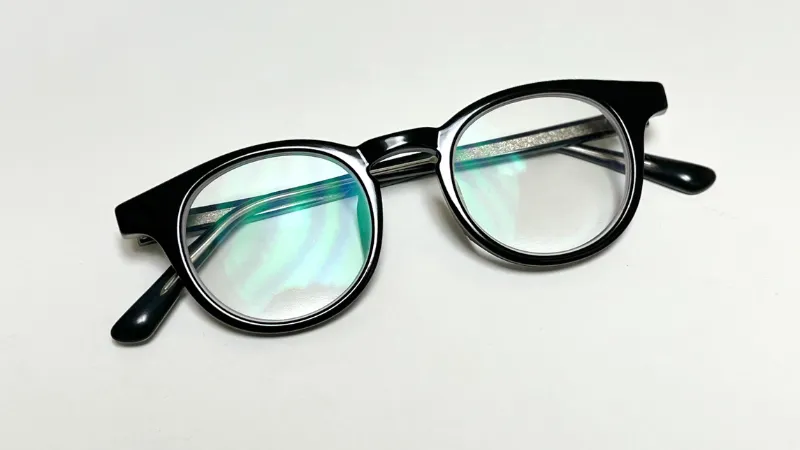
Wearable technology is entering a more practical stage. Earlier products mainly counted steps, displayed notifications, or recorded basic health information. New devices can now interpret voice commands, recognize objects, process visual information, translate conversations, and provide assistance based on what the user is doing.
 Follow us
 Follow us
This shift gives startups more room to compete. Building a successful wearable company no longer requires manufacturing an entire device from the beginning. Startups can create software, industry specific applications, data platforms, accessories, privacy tools, and services that work with existing wearable hardware.
The strongest opportunities may not come from producing another general consumer gadget. They are more likely to emerge from solving specific problems in healthcare, retail, logistics, training, accessibility, and other industries where people need useful information without constantly looking at a screen.
Turning Wearable Data Into Useful Decisions
Wearable devices can collect large amounts of information, but raw data has limited value on its own. A device might record movement, location, sound, heart rate, temperature, or visual information. The real business opportunity is turning those signals into an action that helps the user.
RECOMMENDED FOR YOU



A healthcare wearable, for example, becomes more useful when its data helps a patient recognize a change in their condition or allows a clinician to review a meaningful pattern. A warehouse device becomes valuable when it identifies a picking error before an order is shipped. A workplace wearable can support employees by showing the correct instruction at the moment it is needed.
This creates opportunities for startups that specialize in data interpretation. Instead of competing with major hardware manufacturers, a smaller company can build an intelligent software layer for a particular profession or workflow.
The same approach can work across many sectors. A startup might develop fatigue alerts for field workers, movement analysis for physical rehabilitation, inventory guidance for retail employees, or quality checks for manufacturing teams. The device provides the input, while the startup provides the industry knowledge.
Healthcare and Remote Patient Support
Healthcare is one of the most promising areas for wearable innovation because useful monitoring often needs to happen outside hospitals and clinics.
Wearables can help patients follow rehabilitation programs, record symptoms, track movement, or communicate with healthcare professionals from home. Startuprise has already covered companies such as ATDev, which combines robotics, wearable technology, and telehealth to support physical rehabilitation at home. It has also reported on Prickly Pear Health, a startup using voice AI, behavioural information, and wearable technology to support brain health.
These examples show that the opportunity is broader than fitness tracking. Startups can build products for recovery, mobility, medication support, elder care, sleep, stress management, and the monitoring of long term conditions.
However, healthcare wearables require more than an attractive interface. Research on AI smart glasses in healthcare has identified important challenges involving clinical validation, privacy, battery performance, user engagement, standardization, and medical ethics. A product that offers health guidance must be reliable enough for the environment in which it is used.
For startups, this creates opportunities in both patient facing products and the supporting infrastructure. Companies can develop secure data systems, clinician dashboards, consent management tools, or software that connects wearable information with existing healthcare platforms.
Hands Free Support for Frontline Work
Many employees cannot stop what they are doing to check a laptop or hold a phone. Technicians, warehouse staff, construction workers, inspectors, and healthcare professionals often need both hands available.
AI wearables can provide instructions, capture evidence, identify equipment, or connect a worker with a remote specialist. A technician repairing a machine could share what they see with an experienced engineer. A warehouse employee could receive confirmation that the correct item has been selected. An inspector could record observations without repeatedly stopping to write notes.
Startups entering this market should avoid offering a general wearable solution to every company. Frontline work differs greatly between industries. A maintenance engineer, nurse, delivery driver, and retail employee may use similar hardware, but their software requirements, safety rules, and daily processes are very different.
A focused startup can understand one workflow deeply and build around it. This may include integration with inventory systems, maintenance records, scheduling tools, or customer databases. The more naturally the product fits into an existing process, the more useful it becomes.
New Tools for Retail and Customer Service
Wearables can also change how retail employees access information while assisting customers.
A store worker could check stock availability, locate an item, receive product details, or request support without leaving the customer. In a large store, this could reduce the time spent walking between the sales floor, storage area, and service desk.
Startups could build wearable applications for inventory checks, visual product recognition, staff communication, translation, or personalized customer service. The opportunity is not limited to large retail chains. Smaller stores may need simpler tools that work with their existing point of sale and inventory systems.
Consumer wearables may also influence how people discover and evaluate products. Devices with cameras, microphones, and voice assistants can answer questions based on the user’s surroundings. Current products such as Ray-Ban AI glasses illustrate how familiar accessories can combine open ear audio, a camera, microphones, and an AI assistant without requiring users to hold another screen.
For startups, the interesting question is what services can be built around this behaviour. Possibilities include voice based shopping assistance, accessibility features, product identification, travel guidance, and tools that help consumers understand instructions or labels.
Accessibility as a Core Product Opportunity
Accessibility should not be treated only as an additional feature. It can be the main reason a wearable product exists.
AI wearables can potentially describe surroundings, read printed text, provide spoken navigation, create live captions, or translate conversations. These functions may help people with vision, hearing, mobility, or communication needs interact more independently with their environment.
A startup working in this area must build with users rather than simply building for them. A technically impressive product can still fail when it is uncomfortable, confusing, unreliable, or based on assumptions that do not match real needs.
There are several possible business models. A startup might sell directly to consumers, partner with employers, work with educational institutions, or provide software to healthcare and accessibility organizations. It may also specialize in making mainstream wearable platforms easier to use for specific groups.
Accessibility products can benefit from the growing availability of consumer hardware. Startups can focus more resources on software, testing, and user experience instead of spending most of their capital on designing a device.
Training That Happens During the Task
Traditional employee training usually takes place before a person begins a task. The employee watches a presentation, reads instructions, or attends a session and is expected to remember the information later.
Wearables allow training to happen during the work itself. An employee could receive a short instruction while completing a procedure, compare an object with a reference image, or contact a supervisor when something unexpected appears.
This model may be especially useful in industries with complicated equipment, frequent staff changes, or limited access to experienced trainers. Startups can create systems that convert company knowledge into clear, timely guidance.
The challenge is deciding what information should appear and when. Too many instructions can distract the worker. Successful products will need to understand context and provide only the information that is relevant to the current task.
Privacy and Trust Can Become Competitive Advantages
Wearables can collect sensitive information because they remain close to the user and may capture details about nearby people. Cameras and microphones create additional concerns when it is not obvious whether recording is taking place.
Privacy should therefore be part of the product design from the beginning. Startups need clear consent controls, understandable data policies, secure storage, and limits on how long information is kept. They should also consider how bystanders are informed when a device is recording.
This is not only a compliance issue. Trust can become a competitive advantage. A startup that processes more information directly on the device, collects only necessary data, and gives customers meaningful control may be more attractive to employers and consumers.
Different industries will also require different safeguards. A wearable used in a hospital cannot follow the same data practices as a consumer fitness product. A device used in a workplace may raise questions about employee monitoring, while one used in public may affect people who never agreed to interact with it.
Where Startups Can Compete
Large technology companies have advantages in hardware production, distribution, and access to AI models. Startups can compete through specialization.
A startup does not need to create the most advanced wearable for every user. It can create the best rehabilitation platform for one type of patient, the best remote support tool for a particular trade, or the most reliable wearable inventory system for a specific retail category.
The most defensible businesses will combine technology with detailed industry understanding. Hardware features can be copied, but trusted relationships, specialized data, workflow integrations, and practical experience are harder to reproduce.
AI wearables are moving computing away from desks and phone screens and placing it closer to real activities. That change creates space for new companies, but the winners will not be those that add AI to a device without a clear purpose. They will be the startups that identify a real problem, understand the people experiencing it, and make the technology feel like a natural part of the solution.
Recommended Stories for You

Startuprise Sep 8, 2026
Startuprise May 20, 2026

Startuprise Jun 24, 2026

Startuprise Apr 8, 2026

Startuprise Mar 30, 2026

Startuprise Apr 9, 2026
Trending Stories

From SaaS to Smart SaaS: How AI Integration Is Reshaping Modern Products

Startup Founders Managing Focus and Consistency Challenges

Lifestyle Changes to Consider After an Injury

The Importance of Maintaining Your Commercial Building’s Roof

How To Scale Your Startup And Protect Your Bottom Line

The Future Of Operational Resilience In High-Growth Sectors

How Colorado’s Startup Boom Is Reshaping Commercial Spaces
The Ultimate Guide to Starting a Successful Cleaning Business

