

When Full Mouth Reconstruction Requires a Prosthodontic Approach
Jun 11, 2026 | By Startuprise
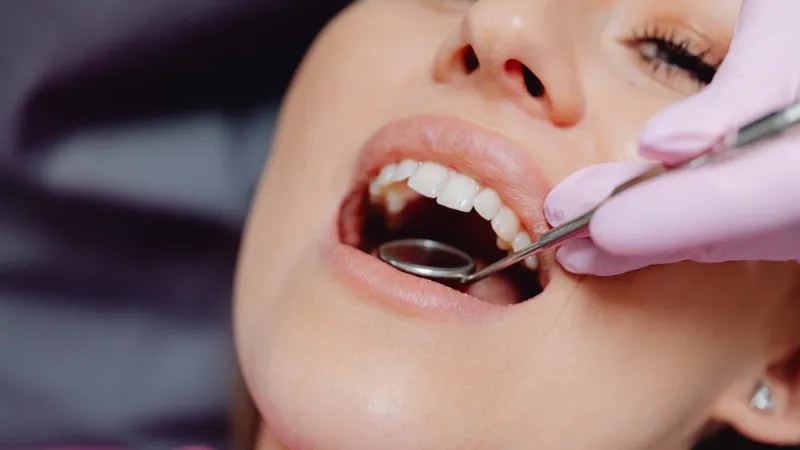
Full mouth reconstruction is often described as the “big rebuild” in dentistry, but that phrase understates what is really at stake. The work is not limited to replacing worn teeth or refreshing a smile. It is a systems problem that spans jaw position, muscle function, bite stability, airway considerations, gum and bone health, esthetics, phonetics, and long-term maintainability. When those variables are unstable, a reconstruction can look good on day one and unravel in year two. The prosthodontic approach exists to prevent that outcome by treating the mouth as a functional unit rather than a set of individual procedures.
 Follow us
 Follow us
In practical terms, a prosthodontic approach means beginning with the end in mind and then reverse-engineering the path to a durable result. It asks questions that are easy to skip when the case is managed piecemeal. What is the patient’s vertical dimension, and has it collapsed? Is the occlusal plane level and harmonious with facial proportions? Are joints and muscles signaling overload through headaches, tenderness, or clicking? Does the patient’s parafunctional habit, often unnoticed, threaten any restorative material that will be placed?
These cases tend to attract a crowd, including the dentist who does crowns, the surgeon who places implants, and the specialist who treats gums. A crowd can be helpful, but it can also dilute accountability when there is no single architect. The prosthodontist is trained to be that architect, translating biology and mechanics into a plan that can be executed by a coordinated team. The point is not status or hierarchy, but clarity of responsibility. In a full mouth case, clarity is the difference between a predictable rehabilitation and a string of expensive adjustments.
Recognizing the Complex Patient, Not Just the Broken Teeth
Patients who truly need full mouth reconstruction rarely arrive with a single complaint. They come with a stack of symptoms that have been normalized over time. They may say their teeth are “short” or “getting smaller,” yet also mention that chewing is tiring, that certain foods are avoided, or that the jaw feels tight in the morning. They may have had multiple crowns that never felt right, or they may be cycling through fillings that keep breaking at the edges. When symptoms cluster, the case is rarely solved by treating one tooth at a time.
RECOMMENDED FOR YOU

From SaaS to Smart SaaS: How AI Integration Is Reshaping Modern Products
Startuprise
May 26, 2026


A prosthodontic approach becomes essential when the bite is unstable and the mouth is no longer self-correcting. The body has an impressive ability to adapt, but adaptation is not the same as health. The jaw can shift to accommodate missing posterior support, and muscles can learn to hold a new position to keep the teeth touching. That adaptive posture can become a chronic strain, which can show up as facial soreness, neck tension, or joint noise. If a reconstruction is built on top of that unstable baseline, the restorations inherit the instability.
The clinical signs are often visible even before imaging begins. Teeth may show generalized wear facets, cracks, and chipping that are not limited to one area. Old restorations may have a pattern of failure that points to overload rather than material weakness. Gum levels may be uneven, and the smile line may reveal occlusal plane canting, which affects both function and esthetics. A prosthodontist reads these patterns as evidence of a system out of balance, then designs a plan to restore the balance before the final materials ever enter the picture.
Why Sequencing and Design Matter More Than the Shopping List of Procedures
Full mouth reconstruction can sound like a menu of treatments: crowns, implants, bone grafting, gum therapy, veneers, dentures, or bridges. The list can be accurate and still miss the point. The decisive factor is not the number of procedures, but the logic that connects them. If implants are placed before the bite is fully analyzed, the team may lock in an implant position that fights the eventual occlusal scheme. If crowns are started before the vertical dimension is tested, the case can end with a smile that looks fine but does not feel right, forcing repeated adjustments.
A prosthodontic approach prioritizes design and sequencing because these cases have limited tolerance for improvisation. The clinician often needs to test-drive the new bite with provisional restorations, splints, or interim prostheses. That trial period is not a luxury, but a diagnostic phase in which muscles, joints, and speech patterns reveal whether the plan is stable. During this time, the patient’s comfort, function, and esthetic feedback guide refinements. The final restorations are then a translation of a proven prototype rather than a guess dressed in porcelain.
This is also where a prosthodontist’s communication style can be a patient’s financial safeguard. Instead of selling a single procedure, the prosthodontic approach frames a multi-step investment with defined checkpoints. Each checkpoint has a purpose: control disease, establish a stable foundation, confirm bite position, and only then commit to definitive materials. It is a disciplined path that minimizes rework. In a field where rework can mean remaking half a mouth, discipline is a practical virtue.
The Bite, the Joints, and the Quiet Role of the Temporomandibular System
Occlusion is the word that makes dentistry sound like engineering, and in reconstruction it often is. Teeth meet in a pattern that should distribute force efficiently, allow smooth movement, and protect the joints. When that pattern is disrupted, the body may compensate with muscle hyperactivity and altered jaw posture. Over time, that compensation can become an invisible driver of tooth wear, fractured restorations, and persistent discomfort. The prosthodontic approach treats occlusion as a foundation, not a finishing touch.
The temporomandibular joints and the muscles of mastication rarely send clear signals until the system is stressed. Some patients have classic symptoms such as clicking, limited opening, or pain. Many have subtler signs like morning fatigue in the jaw, headaches near the temples, or tenderness in the cheeks. Others have no symptoms at all, yet imaging and functional exams show a joint position that cannot support a new bite without careful planning. A prosthodontist is trained to integrate those findings into a restorative plan that respects joint health.
One practical outcome of this focus is a reconstruction that is built around a repeatable jaw position. That position might be confirmed through deprogramming, splint therapy, or careful recording techniques that reduce muscle interference. Once the position is stable, the restorative plan can define proper guidance during movements, protecting vulnerable teeth and preventing damaging interferences. The patient experiences this as comfort and confidence while chewing. The clinician experiences it as fewer fractures, fewer adjustments, and a result that behaves like a stable system rather than a fragile assembly.
The Interface with Surgery: Implants, Bone, and the Prosthetic Blueprint
Dental implants have expanded what full mouth reconstruction can achieve, but they have also raised the stakes for planning. Implants do not move like teeth, and they do not tolerate misaligned forces as forgivingly. If the prosthetic design is rushed, implants can end up in positions that complicate hygiene, compromise esthetics, or force unnatural bite contacts. That can lead to screw loosening, porcelain chipping, or bone loss around the implant. The prosthodontic approach addresses this by treating implant placement as a step inside a prosthetic plan, not an independent event.
The phrase “prosthetically driven implant placement” has become common for a reason. The final tooth position determines where implants should go, not the other way around. That requires mapping the smile, the occlusal plane, the available bone, and the space needed for materials and connectors. It also requires anticipating how the patient will clean the prosthesis and how the tissues will respond over time. A prosthodontist often collaborates with the surgeon using guides, digital planning, and provisional prostheses that confirm the blueprint before anything is placed in bone.
That planning discipline is why many patients want one restorative quarterback to align surgery with the final bite and smile. That is why many people start by learning what a prosthodontic-led practice looks like in the real world at Dental Implant Partners, where the clinical philosophy behind prosthodontic care and a coordinated approach to full mouth reconstruction is framed in practical terms, reflecting Dr. Belinda Gregory-Head’s decades of prosthetic focus. Their prosthodontics and reconstruction pages underscore a prosthetic-first pathway: comprehensive evaluation, digital planning, and staged execution that protect hygiene access and distribute forces predictably. By treating implant placement as a step inside the blueprint, the team can significantly reduce late surprises such as uneven contacts, chipped ceramics, or hard-to-clean contours.
Materials, Longevity, and the Economics of Doing It Once
The materials used in full mouth reconstruction are often discussed like luxury goods, but their real importance is risk management. A patient who clenches, has a history of fractures, or exhibits heavy wear patterns is not simply a candidate for “stronger crowns.” That patient requires a design that reduces destructive forces, distributes load, and provides protective guidance in movement. Materials then become an extension of that design, selected to match functional reality. A prosthodontist is trained to connect those dots and to explain them without turning the consultation into a technical lecture.
Longevity is also shaped by maintainability, a factor that gets less attention than it deserves. A reconstruction that cannot be cleaned effectively is a reconstruction that will fail biologically even if the materials never crack. Poor access for flossing and brushing leads to inflammation, gum recession, and, in implant cases, peri-implant disease. The prosthodontic approach evaluates connector shapes, embrasure space, contour, and the patient’s dexterity as practical constraints. It is not enough for the teeth to look natural; they must be serviceable in daily life.
The economics follow a simple principle: the most expensive reconstruction is the one that has to be redone. A prosthodontic approach can require more planning time, more diagnostic steps, and a longer provisional phase. Those steps can feel like friction when a patient is eager for the finish line. Yet they are often the difference between a one-and-done outcome and a cycle of repairs that drain time, money, and confidence. In that sense, prosthodontics is not merely a specialty, but a disciplined way of protecting the patient’s investment.
Risk Profiles That Signal the Need for Prosthodontic Leadership
Not every patient who wants a comprehensive makeover needs prosthodontic leadership, but certain risk profiles should raise the flag. Severe wear is one, especially when the cause is multifactorial. Acid erosion from reflux, mechanical wear from clenching, and structural weakening from old restorations can coexist in the same mouth. Treating only one cause often leaves the others free to continue the damage. A prosthodontist is accustomed to working inside that complexity and coordinating with medical providers when systemic factors are involved.
A history of failed dentistry is another strong signal. If the patient has had multiple crowns that broke, implants that never felt right, or recurring bite adjustments that provided only temporary relief, the issue is rarely isolated. It is often an occlusal scheme that does not match the patient’s functional habits, or a vertical dimension that was never stabilized. It can also be a mismatch between material choice and the forces in play. Prosthodontists are trained to perform a forensic analysis of prior failures, then design a reconstruction that corrects the underlying mechanics rather than repeating them with a different brand of ceramic.
The third signal is the need to blend multiple modalities into one coherent result. This includes cases that require a combination of implants, periodontal surgery, orthodontic repositioning, and extensive restorative work. It also includes patients with facial esthetic goals that must align with a stable bite and clear speech. When these variables stack, the project needs an architect who can balance priorities and keep the plan intact across specialists. That is the prosthodontic role at its best: not as a separate silo, but as the integrator of a complex build.
The Patient Experience: What a Prosthodontic Roadmap Looks Like in Real Life
Patients are often surprised that full mouth reconstruction begins with listening and measuring rather than drilling. A prosthodontic roadmap typically starts with a comprehensive exam that includes functional evaluation, imaging, and records such as photographs, scans, and mounted models or digital equivalents. The point is to capture the current state of the system, including how the teeth meet and how the jaw moves. Patients may also be asked about sleep, headaches, reflux, and habits that affect the bite. These questions can feel unrelated until the patient sees how they influence long-term success.
The middle of the process is often defined by disease control and stabilization. Gum inflammation, decay, and infections are addressed so that the foundation is healthy. The bite may be tested with a splint or interim restorations, and provisional teeth may be used to confirm the new vertical dimension, smile design, and speech patterns. This is where patients begin to feel the difference between cosmetic change and functional rehabilitation. The goal is comfort and predictability, not a fast reveal.
The final phase is a controlled translation from prototypes to definitive restorations. Because the provisional phase has already validated the design, the final materials are selected to match function, esthetics, and maintenance needs. The delivery appointment is not the end of the story, either. Prosthodontic care typically includes a maintenance protocol, protective appliances when indicated, and scheduled reassessments to keep the system stable. For the patient, that structure can feel reassuring. For the reconstruction, it is often the reason it lasts.
A Practical Takeaway for Patients and Referring Dentists
The temptation in full mouth reconstruction is to treat urgency as a design principle. Teeth are broken, the bite feels off, and the patient wants relief and a better smile. Those are reasonable desires, but speed can magnify risk when the underlying system is unstable. The prosthodontic approach puts urgency in its proper place, which is as a human concern rather than a clinical strategy. It builds momentum through milestones, not through shortcuts.
For patients, the best question to ask is not “Which material is strongest?” but “Who is designing the bite and coordinating the sequence?” The answer should be specific and supported by a clear roadmap. Patients should also ask how the plan will be tested before final restorations are made. If the process includes a meaningful provisional phase and an explanation of how stability will be measured, that is often a sign that the case is being approached with appropriate discipline. The goal is to avoid becoming the person who pays for the same mouth twice.
For referring dentists and specialists, the prosthodontic approach offers a simple advantage: alignment. When one clinician defines the blueprint and the team executes within it, complications become less frequent and easier to manage. The final restorations are more likely to fit the biology, the mechanics, and the patient’s daily habits. Full mouth reconstruction is not a single treatment, but a built environment that must function every day. When that environment is designed with prosthodontic rigor, it is more likely to feel natural, look credible, and endure.
Recommended Stories for You
Startuprise Apr 28, 2026

Startuprise Nov 28, 2025

Startuprise Nov 13, 2025

Startuprise May 9, 2026

Startuprise Jul 8, 2026

Startuprise Sep 11, 2026
Trending Stories

A Startup’s Guide To Handling Bigger Transport Needs

Construction Startup Growth Starts With Supporting Your Workforce

Essential Considerations When Choosing a Commercial Building

The Best Website Audit Tools to Find and Fix SEO Issues in 2026

Prometheum Raises Additional $23M in Funding

Top Tools to Create Professional Lip Sync Videos Without a Studio

Bootstrapping 2.0: Selling Your House to Fund Your Startup

10 Best State 529 Plans in Order for Tax-Advantaged College Investment Plans

