
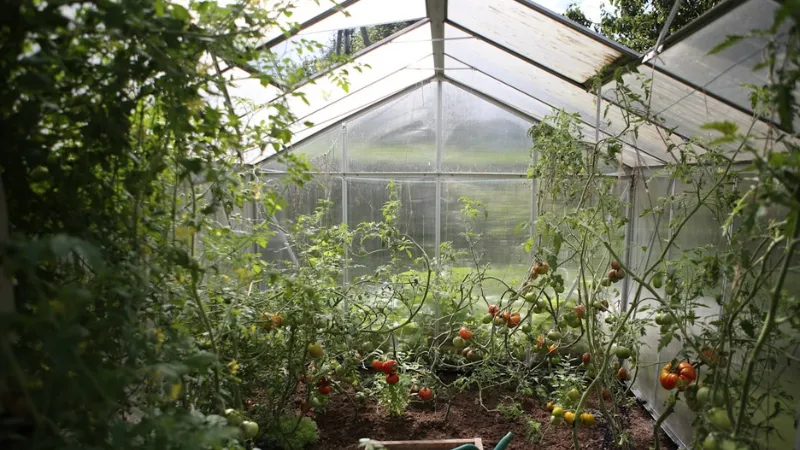
Investing in a farm is a big step for any entrepreneur looking to secure a stable financial future. Traditional outdoor agriculture often faces unpredictable weather and pests that can ruin a season's hard work. Modern indoor farming offers a controlled way to grow crops year-round without those same risks.
 Follow us
 Follow us
Growth in the Indoor Farming Sector
The global market for these structures is seeing a massive surge in value. One market analysis found that the commercial greenhouse sector was worth $37.78 billion in 2025. This figure is expected to reach $96.13 billion by 2034 as more businesses move away from open fields. Investors find this growth attractive because it proves the industry is moving toward permanent climate-controlled solutions.
Efficiency Through Automation
Technology has changed the way farmers manage their daily operations. Modern commercial greenhouse systems allow for precise control over every part of the plant's life cycle. This level of oversight helps prevent waste and ensures that every seed has the best chance to thrive. High-tech setups can now use data to predict exactly what a crop needs at any moment.
Recent research into intelligent farming found that predictive analytics can improve real-time monitoring accuracy by 30%. Using these smart tools helps owners catch problems before they become expensive disasters. It makes the business much easier to scale when you can rely on software to handle the small details.
RECOMMENDED FOR YOU



Can RiseAngle Help Businesses Win the TikTok and YouTube Shorts Era?
Startuprise
May 15, 2026
Consistency in Every Harvest
One of the biggest hurdles in farming is consistency. When plants grow outside, they are at the mercy of the clouds and the rain. Indoor systems eliminate this guesswork by maintaining a steady environment. This leads to a product that looks and tastes the same every time it goes to market.
Higher Yields for Every Square Foot
A major reason to choose indoor systems is the sheer volume of food you can produce. Standard farms are limited by the changing seasons and soil quality. Greenhouses bypass these issues by providing a perfect environment every single day of the year. This allows for multiple harvest cycles within a single calendar year.
- Vine seed production in these facilities can be double the amount of traditional outdoor methods.
- Drip irrigation systems deliver water straight to the roots to stop evaporation loss.
- Controlled environments reduce the need for chemicals that might slow down plant growth.
- Specialized lighting systems can extend the growing day during the winter months.
Choosing the Right Materials
The materials used to build your facility will impact your long-term maintenance costs. Glass remains a popular choice for many large-scale operations. A recent report showed that glass structures make up about 37.8% of the market share. These buildings are durable and provide excellent light transmission for most types of crops.
Plastic films and polycarbonate panels are other options that offer different benefits. Some growers prefer these materials for their insulation properties and lower price points. The choice usually depends on the specific climate of the region and the budget of the business.
Cutting Costs with Sustainable Tech
Operational expenses are always a concern for any business owner. Keeping the lights on and the temperature steady can be expensive if you use old equipment. New systems are focusing on lowering these costs to improve the bottom line. Modern engineering has made it possible to recycle heat and water within the structure.
A new product launch introduced CO2-negative structures that grow fruit at minimal costs. This type of innovation helps businesses stay profitable even when energy prices fluctuate. By reducing their carbon footprint, companies also meet the growing demand for eco-friendly produce.
Managing Energy Consumption
Electricity and heating are usually the biggest bills a greenhouse owner has to pay. These costs can take up a large chunk of the monthly budget. Finding ways to lower these numbers is a top priority for modern growers. High-efficiency systems are becoming the standard for new installations.
Reports show that lighting and climate control can make up 28% of a facility's operating costs. Using LED lights and better insulation can bring these numbers down significantly. Smart power management ensures that no energy is wasted during the night or on sunny days.
Regional Market Success
Europe has seen a massive jump in the adoption of these farming methods. The market there is expected to hit $22.67 billion by 2033. This trend is happening globally as countries try to secure their food supplies against climate change. It represents a shift toward localizing food production near major cities.
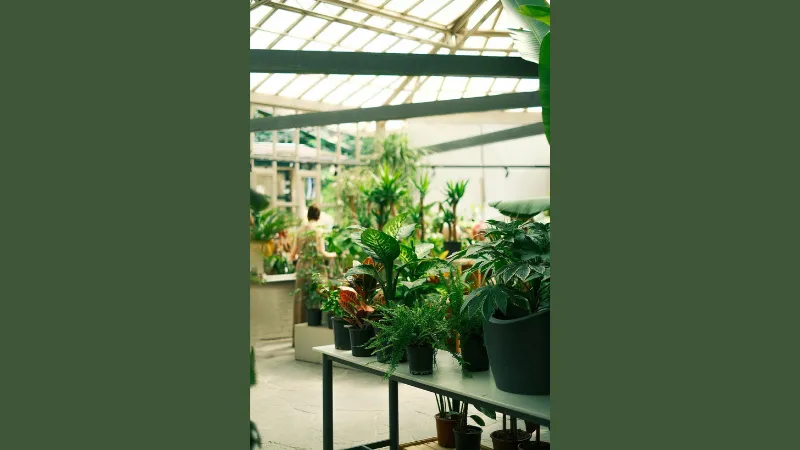
Starting a greenhouse business requires a clear plan and the right equipment. While the initial setup costs might seem high, the ability to harvest all year provides a steady stream of income. You can avoid the boom and bust cycles that plague many other industries. With the right technology and a solid structure, your farm can become a legacy that lasts for decades.
Recommended Stories for You
Startuprise Jul 21, 2026

Startuprise Aug 21, 2025

Startuprise Apr 8, 2026

Startuprise Apr 13, 2026
Startuprise Aug 11, 2026

Startuprise Jun 2, 2026
Trending Stories

From SaaS to Smart SaaS: How AI Integration Is Reshaping Modern Products

Startup Founders Managing Focus and Consistency Challenges

Lifestyle Changes to Consider After an Injury
The Importance of Maintaining Your Commercial Building’s Roof

How To Scale Your Startup And Protect Your Bottom Line

The Future Of Operational Resilience In High-Growth Sectors
How Colorado’s Startup Boom Is Reshaping Commercial Spaces

How to Overcome Fear and Start Investing Today

