
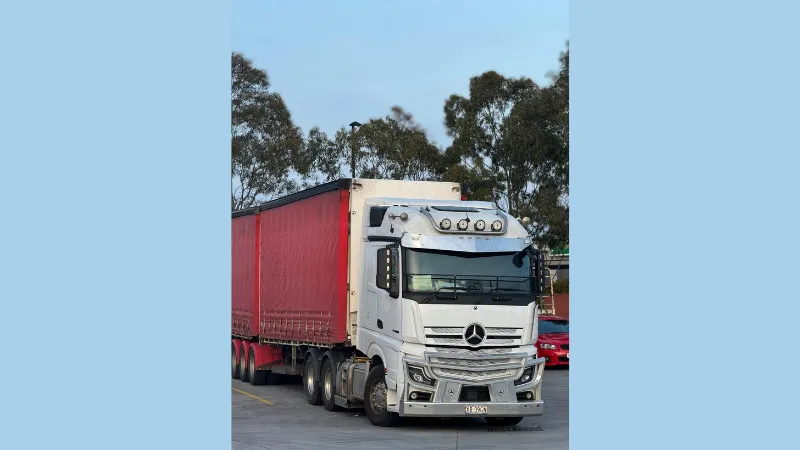
Running a startup involves a constant balancing act between limited capital and the need for rapid growth. Every dollar spent on fixed assets is a dollar taken away from product development or marketing. Fleet management often becomes a major hurdle when physical goods or local services are involved.
 Follow us
 Follow us
High Costs of Commercial Ownership
Buying a fleet of vehicles requires a massive upfront investment that many new companies cannot afford. Maintenance, insurance, and storage fees add up quickly and drain monthly budgets. Most startups find that capital is better spent on hiring talent or improving technology.
A recent report valued the global truck rental market at $142.38 billion in 2025. This massive valuation shows how many businesses are moving away from ownership. They prefer to pay for what they use rather than sit on depreciating assets.
Staying Agile in a Shifting Market
Consumer demands change fast, and your delivery needs might double overnight. Owning a fixed number of trucks makes it hard to react to sudden spikes. Rental services allow SMEs to scale their fleet up or down with ease to accommodate sudden growth.
RECOMMENDED FOR YOU



Renting gives you the flexibility to change the number of trucks quickly without long-term obligations. This agility is a competitive advantage for a young company. You can test new markets without the fear of being stuck with a vehicle you no longer need.
Specialized Vehicles for Specific Jobs
Different projects often require different types of transportation. You might need a heavy-duty van for one week and a light pickup the next. There are many pickup truck rental options available for businesses that need to move smaller loads efficiently. Finding the right vehicle for the task prevents wasted fuel and high rental fees.
Industry data shows that light commercial trucks made up about 34% of the market in 2025. This segment is growing due to the rise in online retail and last-mile delivery needs. Small businesses benefit from using these smaller, more efficient vehicles for local hops.
Financial Predictability and Risk
Surprise repair bills can ruin a startup’s quarterly projections. When you rent, the rental company handles the major maintenance and mechanical risks. This shift in responsibility creates a more predictable monthly expense for your accounting team.
- Short-term rentals hold an estimated 61.4% share of the market.
- Leasing or renting keeps operations running smoothly without long-term financial commitments.
- Digital platforms now offer real-time analytics and IoT tracking for rented assets.
- Startups can avoid the high interest rates associated with large commercial vehicle loans.
Managing Seasonal Volatility
Many businesses experience peaks during holidays or specific seasons. Buying enough trucks to handle your busiest month means those trucks sit idle for the rest of the year. Renting allows you to expand your capacity only when the revenue justifies it.
Market research indicates that 52% of logistics managers struggle with fluctuating volumes. Using a rental model solves this by letting you return vehicles during slow periods. You only pay for the utility during your peak earning windows.
Modern Tech in Rental Fleets
Rental companies update their inventory much more often than a small business could afford to. This means you get access to newer trucks with better fuel efficiency and safety features. Better gas mileage directly impacts your bottom line as you scale operations.
Newer platforms now include digital contract capabilities and improved asset tracking. These tools help you monitor your drivers and optimize delivery routes in real time. You get the benefits of a high-tech fleet without the high-tech price tag.
Reducing Operational Complexity
Managing a fleet involves tracking registrations, inspections, and emissions compliance. These administrative tasks take time away from your core business goals. Rental providers handle the bulk of this paperwork so you can focus on your customers.
About 68% of industry professionals say efficiency requirements are a top challenge today. Outsourcing the vehicle management to a rental partner simplifies your daily workflow. It allows a small team to manage a large geographical area without getting bogged down in logistics.
Avoiding Long-Term Debt
Startups often struggle to secure traditional vehicle financing with good rates. Commercial loans can place a heavy burden on a young credit profile. Renting acts as an operational expense rather than a massive debt on the balance sheet.
- Rental agreements offer more transparency regarding the total cost of use.
- Companies can upgrade to electric or hybrid models as they become available in rental fleets.
- Risk of vehicle obsolescence stays with the rental agency instead of your business.
- Cash remains available for urgent operational needs or emergency pivots.
Expanding Into New Territories
Testing a new city requires a local delivery presence to see if the market is viable. Renting trucks in that specific location allows you to launch a pilot program in days. You can pull out of the market just as quickly if the numbers do not work.
Local rental branches provide regional knowledge and support that a centralized fleet cannot offer. They understand the specific vehicle requirements for local terrain and climate. This localized support ensures your deliveries stay on schedule regardless of the zip code.
Scaling at the Speed of Demand
Sudden growth is a dream that can turn into a nightmare if you lack the infrastructure to support it. A viral marketing campaign or a new major contract might require five extra trucks by Monday. Rental companies are built to handle these rapid requests.
Traditional vehicle procurement can take months from the time you order to the time it arrives. Renting bridges that gap and keep your growth from stalling. You never have to tell a customer "no" because you lack the wheels to reach them.
Long-Term Growth Strategies
While leasing lowers upfront costs, it does increase long-term expenses if not managed correctly. Smart startups use rentals to bridge the gap while they build their initial customer base. Once the revenue is stable, they can decide which assets are worth owning.
Trucking rates in 2026 continue to reflect a tight balance between supply and demand. Renting protects you from being locked into a high-cost asset if market rates suddenly drop. It provides a safety net that allows for steady, calculated expansion.
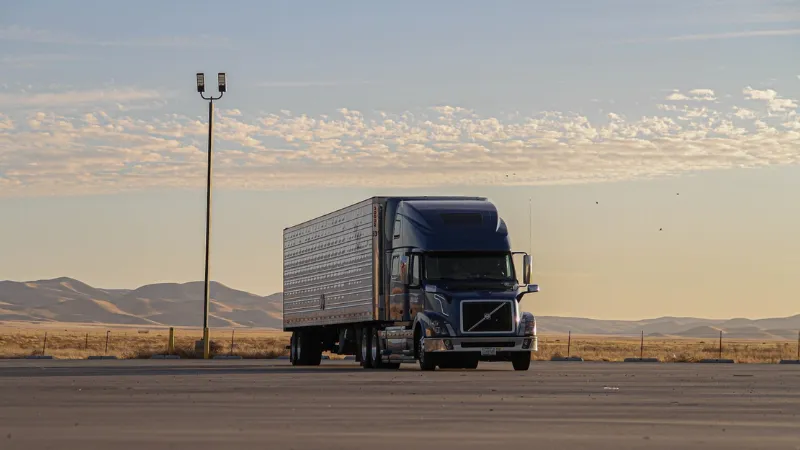
Choosing the right transport strategy is just as important as choosing the right software. Flexible rentals provide the breathing room needed to navigate the early years of business. By keeping your capital liquid, you ensure your company is ready for whatever opportunities come next. Success often goes to the most adaptable team in the room.
Recommended Stories for You

Startuprise Apr 21, 2026

Startuprise Apr 3, 2026

Startuprise Apr 7, 2026

Startuprise Sep 8, 2026

Startuprise May 26, 2026

Startuprise Nov 4, 2025
Trending Stories

Mail In Your Diecast Race Car

How Reputation Management Influences Business Growth in Competitive Markets

7 Marketing Strategies for High-Growth Startups

Building Your First Premises: Choosing Smart Infrastructure

Why Every Business Website Should Have a Blog

Why Browser Security Matters More Than You Think for Startup Founders

Busy Startup Owners Can Spend Less Time on Yard Work

Future-Proofing Hardware: Precision Tech for Tech Founders

