
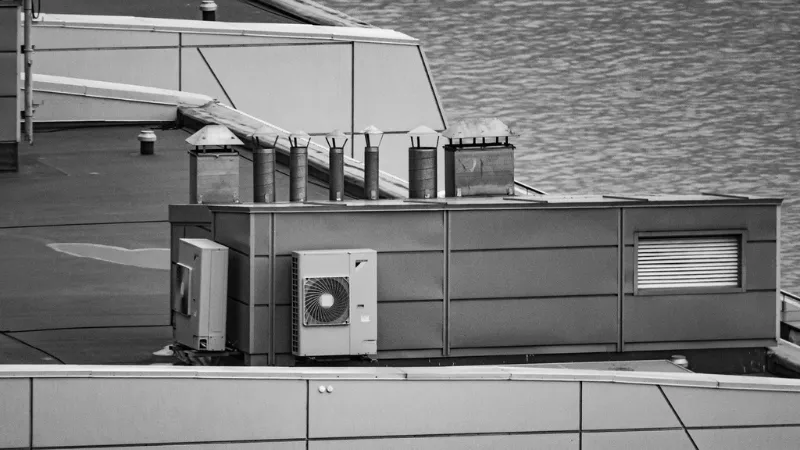
Heating systems and air conditioning do more than just manage the temperature in a modern workspace. These systems influence how people feel, how they work, and how much money a business spends each month. Many office managers view HVAC as a background utility, but its impact on the bottom line is significant.
 Follow us
 Follow us
The Rising Cost of Comfort
Keeping a large building at the right temperature is getting more expensive every year. Energy markets fluctuate, and older equipment often works harder than necessary to meet daily demands. Research from the International Energy Agency shows that buildings account for around 30% of global energy demand. This massive energy use means that even small inefficiencies in a commercial system can lead to thousands of dollars in wasted revenue.
Modern upgrades are not just about staying cool during the summer. Insights shared by HVAC professionals at https://pantherhvac.com/ note that many commercial systems lose efficiency over time due to aging parts, airflow issues, or undetected mechanical faults. These problems can increase energy consumption without improving comfort levels. Addressing them helps reduce operating costs and supports more consistent system performance.
Investing in Growth and Stability
The HVAC industry is seeing a massive surge in investment as companies try to modernize their infrastructure. Newer technology allows for better control over specific zones in a building, which reduces waste in empty rooms. A report by Research and Markets suggests the global HVAC market will grow to $333.55 billion by 2027. This growth is driven by the need for smarter, more responsive systems in commercial real estate.
RECOMMENDED FOR YOU

From Garage to HQ: How to Brand Your Startup’s Physical Space on a Budget
Startuprise
Apr 30, 2026
How to Market a SaaS Product Successfully. A Step-by-Step Guide for 2026
Startuprise
Nov 26, 2025

Smart Controls and Data
New systems use sensors to track where people are in a building. If a conference room is empty, the system lowers the airflow to save power. This level of automation was once a luxury, but now it is a standard part of managing a professional environment.
Air Quality and Staff Health
The air people breathe while sitting at their desks impacts their health and focus. Stagnant air can lead to a buildup of allergens, dust, and carbon dioxide. Poor ventilation often results in more sick days and lower energy levels among employees. Clean air keeps the mind sharp and helps people stay productive throughout a long shift.
High-quality filters and regular duct cleaning prevent the spread of germs. When a building has a well-maintained system, the air feels fresh rather than heavy or stale. This creates a more inviting atmosphere for both workers and visiting clients.
Managing Humidity for Equipment
Electronics and office furniture are sensitive to the amount of moisture in the air. High humidity can cause paper to jam in printers and may even damage sensitive server components. On the other hand, air that is too dry can create static electricity, which is a risk for computer hardware.
HVAC systems balance these moisture levels to protect expensive assets. Maintaining a steady environment helps office equipment last longer and reduces the need for tech support. It also prevents the growth of mold in hidden areas like ceiling tiles or wall insulation.
Reducing the Carbon Footprint
Many corporations now face pressure to meet specific environmental goals. Reducing energy waste is the fastest way to shrink a building's carbon footprint. High-efficiency units use less electricity and rely on refrigerants that are better for the planet.
- Install programmable thermostats to manage off-hour usage.
- Seal windows and doors to prevent conditioned air from escaping.
- Schedule professional inspections twice a year to catch minor leaks.
- Upgrade to LED lighting to reduce the heat load on the cooling system.
By focusing on efficiency, a company shows its commitment to sustainability. This can be a strong selling point for attracting new talent or winning over eco-conscious investors.
The Noise Factor in Workplaces
Older HVAC units often produce a constant hum or loud rattling sounds. This background noise can be a major distraction in a quiet office. It makes it harder to hold phone calls or focus on complex tasks. Modern units are designed to operate at much lower decibel levels.
Quiet systems allow for a more peaceful work environment. Employees can communicate clearly without shouting over a noisy vent. This subtle improvement makes a big difference in how comfortable people feel during their 8-hour shift.
Long-Term Value of Maintenance
Ignoring a cooling system leads to sudden, expensive breakdowns. These failures often happen during the hottest days of the year when the system is under the most stress. Emergency repairs are always more expensive than scheduled checkups.
Regular maintenance ensures that every part of the system is clean and lubricated. This prevents small parts from wearing out and causing a chain reaction of damage. A well-cared-for system can last years longer than one that is neglected.
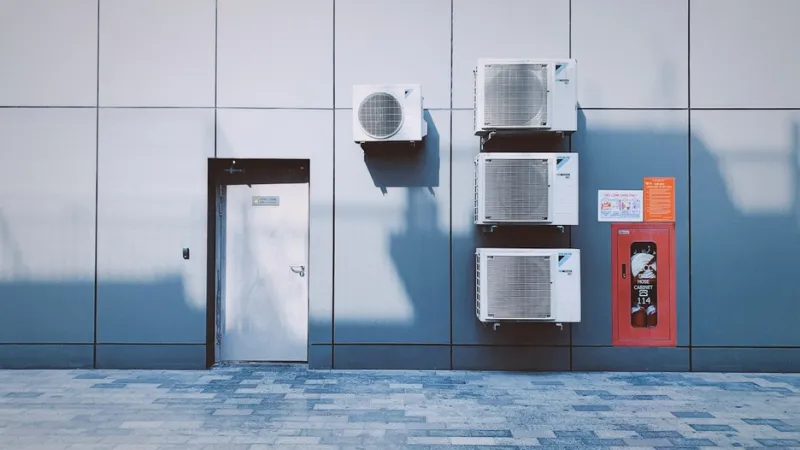
Keeping an office comfortable is a complex task that requires the right equipment and expert oversight. When a system runs well, nobody notices it, but everyone feels the benefits. Taking the time to understand and improve your building's climate control is a smart move for any professional organization. Spending money on these systems is an investment in the people and the future of the company.
Recommended Stories for You

Startuprise Nov 25, 2025
Startuprise Jun 8, 2026

Startuprise Apr 9, 2026

Startuprise Aug 12, 2026

Startuprise Apr 2, 2026
Startuprise Jul 24, 2026
Trending Stories

From SaaS to Smart SaaS: How AI Integration Is Reshaping Modern Products

Startup Founders Managing Focus and Consistency Challenges

Lifestyle Changes to Consider After an Injury
The Importance of Maintaining Your Commercial Building’s Roof

How To Scale Your Startup And Protect Your Bottom Line

The Future Of Operational Resilience In High-Growth Sectors

How Colorado’s Startup Boom Is Reshaping Commercial Spaces

How to Overcome Fear and Start Investing Today

