
The Blueprint for Efficient and Hygienic Food Processing Facilities
Apr 28, 2026 | By Startuprise
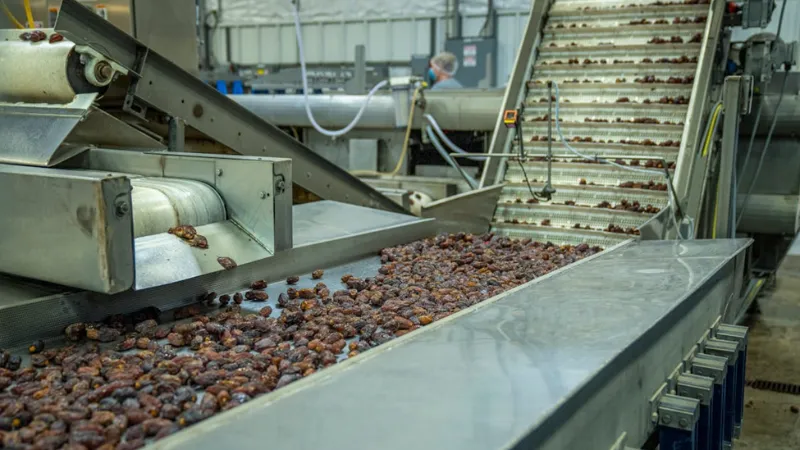
An efficient and hygienic food processing facility does not happen by accident. Careful planning, disciplined execution, and clear operational standards shape every successful plant. Layout decisions influence how materials move. Equipment choices affect how easily surfaces can be cleaned. Air systems, drainage, and sanitation protocols determine how well contamination risks are controlled. Each element connects to the next, forming a system that must function smoothly under daily production pressure.
 Follow us
 Follow us
Strong performance begins with clarity. Leaders need defined workflows, measurable safety standards, and practical maintenance plans. Teams need equipment that supports sanitation rather than complicates it. Facilities must be built with materials that withstand constant washing, temperature changes, and heavy use.
Strategic Facility Layout and Workflow Design
Facility layout sets the tone for everything that follows. A well-structured floor plan guides products through each stage without unnecessary backtracking or congestion. Raw materials should enter through designated receiving areas and move forward in a clear progression toward processing, packaging, and dispatch. That forward motion reduces confusion and limits opportunities for cross-contamination.
Zoning plays a critical role in this structure. Separate areas for raw ingredients, processing, and finished goods help maintain control over microbial risks. Staff movement should follow defined paths, with controlled access between high-risk and low-risk zones. Clear visual cues such as floor markings and signage reinforce these boundaries without disrupting workflow. Space allocation also deserves careful attention.
RECOMMENDED FOR YOU



Best Startup Banking Options for Seed and Pre-Seed Companies (2026)
Startuprise
Sep 9, 2026
Equipment Selection and Surface Materials
Equipment serves as the backbone of any processing plant. Material selection directly affects sanitation, durability, and day-to-day efficiency. Food-contact surfaces must handle repeated cleaning, temperature changes, and chemical exposure without degrading. Nonporous, corrosion-resistant materials reduce contamination risks and simplify maintenance. Smooth finishes also limit residue buildup, making routine cleaning more effective.
Preparation zones require especially dependable surfaces due to constant handling and exposure to moisture. For example, a stainless steel bench supports strict hygiene standards while delivering a durable, nonporous workspace for consistent daily food preparation. Its smooth surface allows quick sanitation and resists corrosion under frequent washing. Choosing reliable materials strengthens operational stability and keeps hygiene practices practical and sustainable.
Air Quality and Ventilation Systems
Air quality often receives less attention than visible surfaces, yet it plays a crucial role in contamination control. Balanced airflow reduces the spread of airborne particles and supports temperature stability. Filtration systems should match the sensitivity of the product being handled, especially in facilities that process ready-to-eat items.
Humidity control also matters. Excess moisture in the air can encourage microbial growth on walls, ceilings, and equipment. Ventilation systems must manage condensation while maintaining a comfortable working environment for employees. Properly calibrated air pressure between zones helps prevent contaminants from migrating into clean areas.
Water Management and Drainage Infrastructure
Water is essential for processing and sanitation, yet it can also introduce risks if not managed carefully. A reliable supply of potable water forms the backbone of safe operations. Separate systems for clean water and wastewater prevent accidental cross-connection and contamination.
Floor design contributes significantly to hygiene. Gently sloped surfaces guide water toward drains, reducing pooling and minimizing slip hazards. Proper drainage prevents standing water, which can harbor bacteria and create maintenance challenges. Backflow prevention devices add another layer of protection by safeguarding the integrity of the water supply.
Sanitation Protocols and Cleaning Schedules
Clear sanitation protocols transform good design into consistent results. Written procedures should outline cleaning methods for each zone and each piece of equipment. Staff must understand not only what to clean, but also how and when to perform each task.
Defined responsibilities eliminate confusion. Sanitation teams need clear schedules that align with production cycles to avoid rushed or incomplete work. Approved cleaning agents should be stored properly and used according to established guidelines. Verification methods, including routine inspections and testing, confirm that procedures deliver the intended outcomes. Documentation strengthens accountability. Accurate records demonstrate compliance and provide valuable insight into trends or recurring issues.
Staff Training and Hygiene Culture
Well-designed facilities and advanced equipment cannot compensate for poorly trained staff. Employees influence daily hygiene outcomes more than any other factor. Comprehensive onboarding programs should introduce food safety principles, contamination risks, and proper handling procedures. Training must connect theory to real tasks on the production floor so expectations remain practical and clear.
Dress codes, handwashing standards, and protective gear policies should be communicated with precision. Supervisors need to reinforce these requirements consistently. Regular refresher sessions help teams stay aligned with updated regulations and internal improvements. Strong training programs also create confidence, which reduces careless mistakes.
Regulatory Compliance and Documentation Systems
Food processing operates under strict regulatory oversight, and compliance must be woven into everyday operations. Facilities should align their procedures with applicable local and international standards. A clear understanding of hazard analysis principles supports systematic risk identification and control.
Documentation plays a central role in maintaining accountability. Production logs, sanitation records, maintenance reports, and training documentation provide evidence of consistent performance. Organized record-keeping simplifies inspections and reduces stress during audits. Digital tracking systems can enhance traceability, especially when rapid product recalls become necessary. Internal audits strengthen preparedness. Scheduled reviews allow teams to identify small gaps before they grow into larger compliance issues.
Maintenance Planning and Continuous Improvement
Equipment reliability directly affects both efficiency and hygiene. Preventive maintenance schedules reduce unexpected breakdowns that could disrupt production or compromise cleanliness. Technicians should follow structured inspection routines for critical machinery, paying close attention to wear, seals, and moving parts.
Rapid response protocols help contain problems when mechanical failures occur. Clear reporting systems ensure that issues are addressed quickly without creating confusion. Maintenance teams must coordinate closely with sanitation crews to maintain consistent standards during repairs or part replacements. Performance metrics offer valuable insight into improvement opportunities. Data on downtime, cleaning frequency, and product loss can highlight areas where adjustments are needed.
Efficient and hygienic food processing facilities reflect thoughtful design and disciplined management. Strategic layouts guide product flow with clarity. Durable materials and well-chosen equipment support thorough cleaning. Controlled air systems and reliable water infrastructure maintain stable conditions. Structured sanitation programs translate standards into measurable results.
Skilled employees sustain these systems through consistent practice and accountability. Regulatory alignment and organized documentation reinforce operational confidence. Preventive maintenance and continuous improvement keep the facility resilient in a demanding industry.
Recommended Stories for You

Startuprise Jun 5, 2026

Startuprise Apr 25, 2026

Startuprise Aug 13, 2026

Startuprise Apr 25, 2026

Startuprise Jul 17, 2026

Startuprise Apr 2, 2026
Trending Stories

From SaaS to Smart SaaS: How AI Integration Is Reshaping Modern Products

Startup Founders Managing Focus and Consistency Challenges
Lifestyle Changes to Consider After an Injury

The Importance of Maintaining Your Commercial Building’s Roof

How To Scale Your Startup And Protect Your Bottom Line

The Future Of Operational Resilience In High-Growth Sectors

How Colorado’s Startup Boom Is Reshaping Commercial Spaces

How to Overcome Fear and Start Investing Today

