


You rely on public safety systems every day. Police patrol neighborhoods, responders handle emergencies, and correctional facilities manage complex populations. These systems carry heavy responsibilities.
Yet many agencies still rely on outdated operational processes. However, cities are growing faster than ever, and incidents are becoming more complex. Agencies must process large amounts of data while responding quickly to new threats.
For years, upgrades focused on equipment and manpower. Today, the focus is shifting toward operations. Agencies now want systems that improve coordination, visibility, and decision-making.
Smart operational technology is beginning to fill this gap. Governments and technology providers are building platforms that connect data, automate workflows, and support faster response across public safety systems.
Real-Time Operations Are Becoming the New Standard
You cannot manage modern public safety with slow information flow. Many agencies once relied on delayed reports and fragmented systems. That model no longer works.
Departments now use real-time operational platforms to guide field decisions. These systems combine live video feeds, location data, and officer activity into a single command view.
Supervisors can track incidents as they unfold and adjust resources quickly. This trend also reflects a broader change in policing tools. Modern policing increasingly depends on tools such as drones, AI-assisted reporting, and real-time analytics.
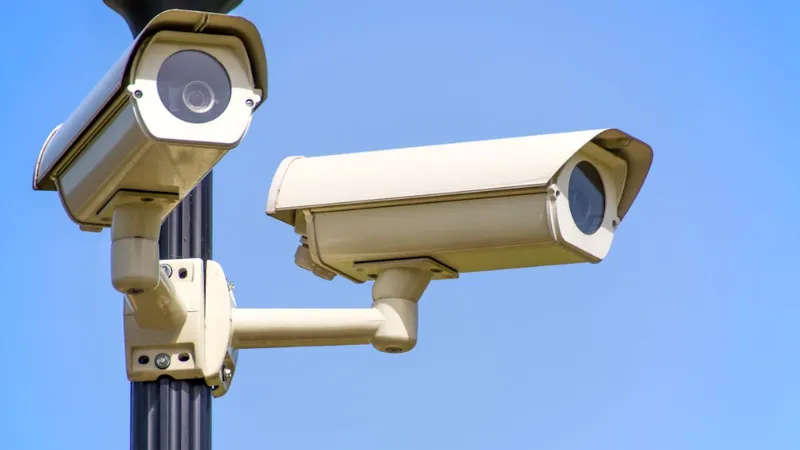
Agencies also connect license plate readers, surveillance systems, and communication networks. These platforms give officers faster access to critical information and help them respond quickly during complex incidents.
As these tools expand, cities are also increasing technology investments. Local governments are deploying connected sensors, monitoring tools, and analytics platforms to strengthen situational awareness.
Recent procurement trends show how public safety priorities are shifting. According to Smart Cities Dive, cities are expanding public safety technology budgets across communications, computing infrastructure, and surveillance systems.
Officials say AI, data analytics, and networked sensors now support faster crime detection, predictive analysis, and more efficient emergency response planning. This trend continues to shape public safety operations. Public safety agencies now treat operational intelligence as a basic requirement.
Specialized Software Is Addressing High-Risk Operational Challenges
Public safety systems extend beyond patrol units and dispatch centers. Many operational tasks happen inside facilities and administrative systems. Agencies manage records, compliance reports, scheduling systems, and internal communication tools.
When these systems rely on paper files or disconnected databases, delays become common. To address this issue, specialized digital platforms now help agencies manage these operational layers. Modern correctional facility software systems, for example, centralize inmate records, facility operations, and reporting processes.
JailCore notes that administrators can track facility activity and remotely access correction data. This approach improves operational visibility across facilities and administrative systems. Staff members can focus more on safety and coordination. Technology is also helping emergency teams during field operations.
First responders now receive critical data before arriving at an incident. Yet indoor navigation remains one major challenge. As reported by NextGov, emerging tools such as drone mapping and wearable location devices help responders navigate buildings where GPS fails.
These systems map interiors, identify hazards, and guide teams through corridors and stairwells during rescue operations. When teams receive clearer information early, coordination improves. Agencies can act with greater confidence.
Smart Infrastructure Is Reshaping Public Service Delivery
Technology upgrades aren’t limited to field operations. Many agencies are modernizing the infrastructure inside their facilities. Police stations, command centers, and administrative offices now use connected digital systems.
These systems help staff manage records, evidence, and internal communication through unified platforms. This approach reduces delays across departments. Officers and staff can access case information, video evidence, and reports from centralized systems. That access improves coordination between teams.
Modern police stations are also redesigning their workflows around digital tools. For example, the Los Angeles County Sheriff’s Department installed self-service kiosks at several stations. Residents can file non-emergency reports, access public records, and complete routine requests without waiting for staff assistance.
According to Governing, these kiosks reduce front-desk workloads and shorten service times for many administrative tasks. The kiosks also help departments handle routine requests faster while freeing staff to focus on more complex public safety responsibilities.
When operational systems work together, service delivery improves. Officers spend less time on administrative tasks and more time supporting their communities. Connected infrastructure also helps agencies maintain stronger accountability. Leaders can monitor operations and identify process delays more easily.
Public Safety Technology Is Becoming a Major Market
Governments are investing heavily in safety technology. Many agencies now recognize the value of operational intelligence and integrated infrastructure.
Smart city programs play a major role in this shift. Cities are expanding surveillance networks, data platforms, and integrated safety systems. These investments help agencies monitor activity and respond to incidents more effectively. This shift is also attracting technology companies and startups.
Many firms are building tools that support public safety operations, analytics, and infrastructure. The global market reflects this growing demand. GlobeNewswire reports that the public safety and security market was valued at nearly $570 billion in 2024. Analysts expect it to surpass $1472 billion by 2033.
The projected growth rate stands just over 12.5% between 2026 and 2033. Experts link this rise to increasing adoption of AI, IoT, and cloud-based security systems. Growing urban populations and rising cybersecurity concerns are also pushing governments to strengthen digital monitoring and emergency response capabilities.
For technology providers, this sector offers long-term opportunities. Public safety systems require reliable, specialized platforms that support complex operations. As agencies modernize their infrastructure, demand for these solutions will continue to grow.
People Also Ask
1. What is the role of IoT in modern public safety?
The Internet of Things (IoT) connects physical devices like smart streetlights, acoustic gunshot sensors, and wearable vitals monitors to a central network. These sensors provide immediate data to dispatchers, allowing for faster resource deployment. This ecosystem turns everyday urban infrastructure into an active participant in community protection and emergency prevention.
2. How does predictive policing technology actually work?
Predictive tools use historical crime data and mathematical algorithms to identify geographic “hot spots” where incidents are likely to occur. Instead of just reacting to calls, agencies can position patrols proactively. This data-driven approach aims to deter criminal activity before it happens, optimizing limited manpower through objective statistical analysis.
3. How does technology improve emergency response coordination?
Technology improves emergency response by giving teams faster access to reliable information. Digital command platforms, shared communication systems, and location tracking tools help responders understand incidents as they unfold. With clearer data and coordinated systems, agencies can deploy resources faster and avoid delays during critical situations.
Public safety agencies face growing pressure as cities expand and threats evolve. Smart operational systems are helping them respond faster and manage complex environments with greater clarity.
By connecting data, workflows, and infrastructure, these technologies improve coordination across departments. As governments continue modernizing their systems, smart operations will become central to how communities stay protected.

