

Buying a Car Out of State? Here’s How the Delivery Side Really Works
May 20, 2026 | By Startuprise
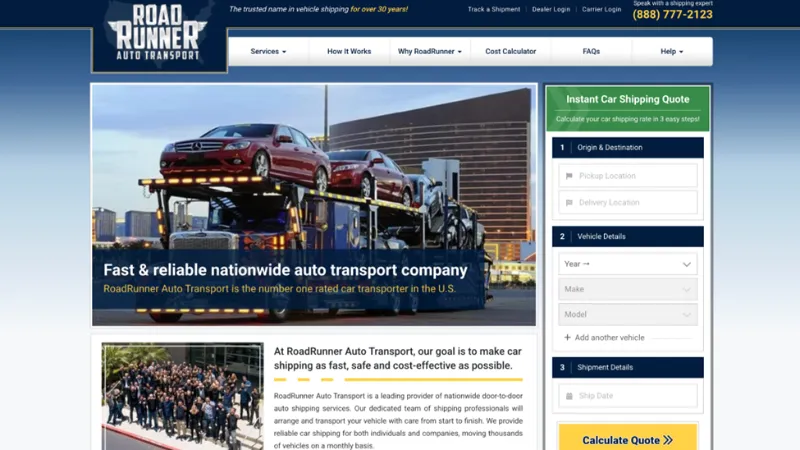
The hard part of an out-of-state purchase isn't the negotiation or the title work.
 Follow us
 Follow us
It's the gap between signing the paperwork and seeing the vehicle in your driveway.
Most buyers don't think about that gap until the seller asks how they want it shipped, and by then the logistics window is already tight.
That's the moment a broker like RoadRunner Auto Transport enters the picture, since coordinating a carrier across state lines isn't something most dealerships or private sellers handle themselves.
RECOMMENDED FOR YOU

How Fast-Growing Financial Companies Can Stay Ahead of Regulatory Expectations
Startuprise
Aug 19, 2026

Drive It or Ship It
Once a sale is locked in, you have two real options.
Fly out and drive it home, or hand the keys to an auto transport company and wait.
Flying makes sense for a weekend road trip car or something you genuinely want to break in yourself.
For everything else, a daily driver, a project car, or a vehicle bought sight-unseen from a wholesale lot, shipping wins on cost and time once you factor in flights, fuel, hotels, and the wear you'd put on a car that just changed hands.
Open vs Enclosed Transport
The first decision is open versus enclosed.
Open transport is the standard 7-to-10-car hauler you see on the interstate, and it handles roughly 90% of moves.
Enclosed costs 40 to 60% more and makes sense for low-clearance cars, classics, exotics, or anything where road grime and a kicked-up rock would actually matter.
A 2019 Toyota Camry doesn't need to be enclosed.
A 1970 Chevelle does.
What Pricing Actually Reflects
Quotes move with distance, route popularity, and season.
A run from Los Angeles to Dallas fills trucks every day, so quotes stay competitive.
A pickup from a small town in Montana headed to coastal Maine is a different conversation, since the carrier has to deadhead miles in or out, and you pay for that.
Winter snowbird season tightens capacity and pushes prices up by a couple of hundred dollars on common lanes.
That's October through December heading south, and March through May heading north.
Brokers vs Carriers
Brokers handle most of the bookings in this industry.
A broker posts your load to a central dispatch board, and a vetted carrier accepts it at a price both sides agree on.
That's the model, whether you go with a national name or a smaller regional outfit.
The carrier is the one who actually picks up the car.
The broker is the one who finds and screens that carrier and stands behind the booking if something goes sideways.
Before booking with anyone, check the FMCSA database for the company's MC and DOT numbers, along with the insurance certificate and any recent complaint history.
A legitimate operator has both numbers visible on their site and won't push back when you ask.
The Pickup
Pickup at a dealership is the easiest version of this.
The dealer hands the keys and paperwork to the driver, who runs a condition inspection, marks any existing dings on the Bill of Lading, and loads the car.
Private-party pickups need a bit more coordination.
Someone has to be there with the title, the keys, and ideally a phone that's actually charged when the driver's two-hour window opens.
What Experienced Buyers Always Do
A few practical things worth doing every time:
- Take dated photos of every panel before pickup, since the Bill of Lading is your reference if a damage claim comes up later.
- Leave the tank around a quarter full, because heavier means more freight weight and a touchier driver.
- Pull out everything personal, since the carrier insurance covers the vehicle, not the laptop in the trunk.
- Disable the alarm and toll transponder, because drivers hate both, and tolls will rack up across multiple states otherwise.
Transit Times and the Pickup Window
Transit time runs roughly 1 to 3 days per 500 miles once the car is actually loaded.
The part people underestimate is the pickup window itself, meaning the spread between booking and the truck arriving.
Two to five business days is normal.
If a quote promises same-day pickup on a Tuesday for a Friday delivery 2,000 miles away, it's either a lowball that won't get accepted on the load board, or it's coming from someone who'll renegotiate once you're locked in.
How Payment Works
Payment is usually split.
A deposit goes to the broker when the carrier is assigned, and the balance gets paid to the driver at delivery, typically by cashier's check or cash.
Some carriers now take Zelle or a card at drop-off, but COD remains standard, and it's worth confirming the format before the truck arrives.
Delivery Day
When the car shows up, walk it with the driver before signing the Bill of Lading.
Daylight helps.
So does the photo set you took at pickup.
If there's new damage, note it on the BOL before signing.
That single signature is what the insurance claim hinges on, and a clean signature with damage present makes the claim painful.
Once it's noted in writing, the broker and the carrier's cargo policy take it from there.
Title and Registration Timing
One thing buyers forget is that the title may not arrive with the car.
Out-of-state dealers typically mail the original title and registration paperwork separately, sometimes weeks after delivery.
That's normal, but it means you'll be driving on a temporary tag while your home state's DMV processes the transfer.
Keep the bill of sale and temp tag in the glovebox until the permanent plates arrive.
Recommended Stories for You

Startuprise Jun 10, 2026

Startuprise Apr 10, 2026

Startuprise Jul 14, 2026
Startuprise Jun 24, 2026

Startuprise Sep 17, 2026

Startuprise Jun 8, 2026
Trending Stories

Construction Startup Growth Starts With Supporting Your Workforce

Essential Considerations When Choosing a Commercial Building

The Best Website Audit Tools to Find and Fix SEO Issues in 2026

Prometheum Raises Additional $23M in Funding

Top Tools to Create Professional Lip Sync Videos Without a Studio

Bootstrapping 2.0: Selling Your House to Fund Your Startup

10 Best State 529 Plans in Order for Tax-Advantaged College Investment Plans

Benefits of Checking Accounts Many People Don’t Know

