
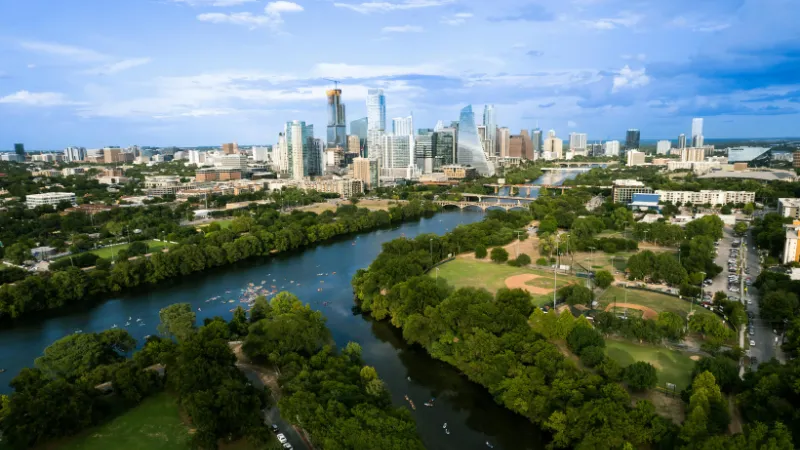
Over the past decade, Colorado has transformed into one of the most attractive destinations for entrepreneurs and fast-growing businesses. While cities like San Francisco, New York, and Austin often dominate conversations about startup ecosystems, Denver has quietly built a reputation as one of the country's most business-friendly environments.
 Follow us
 Follow us
The city's strong economy, highly educated workforce, and exceptional quality of life continue to attract founders, investors, and remote professionals from across the United States. As a result, Denver is experiencing significant changes—not only in its business landscape but also in the way commercial spaces are designed and developed.
The growth of Colorado's startup community is having an unexpected effect: it is changing what companies expect from offices, coworking spaces, and commercial buildings.
Why Denver Has Become a Startup Magnet
Several factors have contributed to Denver's rise as an entrepreneurial hub.
RECOMMENDED FOR YOU

Valentine’s Day in the Age of Hybrid Work and Digital Entertainment
Startuprise
Feb 3, 2026
First, Colorado offers a strong talent pipeline. The state is home to respected universities and attracts professionals seeking a balance between career opportunities and lifestyle benefits.
Second, compared with many coastal technology hubs, operating costs remain relatively manageable. Office rents and business expenses, while rising, are often more favorable than in larger metropolitan areas.
Finally, Denver's culture encourages innovation. The city has cultivated a supportive business ecosystem that includes incubators, networking groups, venture capital activity, and collaborative workspaces.
These advantages have helped thousands of companies establish operations throughout the region.
The New Expectations for Commercial Spaces
As startups grow, their workplace expectations are changing.
The traditional office model—rows of desks and isolated meeting rooms—is giving way to more flexible environments that prioritize collaboration, employee well-being, and adaptability.
Today's companies want offices that can accommodate:
- Hybrid work arrangements
- Team collaboration
- Employee wellness initiatives
- Sustainable building practices
- Long-term scalability
Commercial developers are increasingly designing spaces that can evolve alongside growing businesses rather than requiring major renovations every few years.
The Rise of Flexible Offices and Coworking Spaces
Denver has seen remarkable growth in coworking and flexible office environments.
For startups, committing to large office leases can be risky. Flexible spaces offer the ability to scale operations up or down depending on business needs.
These environments also foster networking opportunities. Entrepreneurs, freelancers, and investors often share the same facilities, creating connections that may not happen in more traditional office settings.
As demand increases, property owners are investing more heavily in building amenities and infrastructure that support these modern working styles.
Employee Experience Is Becoming a Competitive Advantage
The competition for talent remains intense.
Many startups have discovered that office design directly affects recruitment and retention. Employees increasingly value workplaces that are comfortable, functional, and thoughtfully designed.
This has led companies to pay closer attention to factors such as:
- Natural lighting
- Quiet work areas
- Collaborative spaces
- Wellness rooms
- Break areas
- Building accessibility
What once seemed like minor design decisions are now viewed as important business investments.
Infrastructure Matters More Than Many Companies Realize
While open layouts and modern furniture often receive the most attention, successful workplaces also depend on practical infrastructure.
A building's ability to handle daily usage, support employee comfort, and minimize maintenance issues plays a major role in long-term operational efficiency. As more companies move into new offices throughout Colorado and the surrounding region, even practical design decisions, such as choosing Denver restroom partitions that balance durability, privacy, and ease of maintenance, have become part of creating workplaces that can comfortably support long-term growth.
As Denver's commercial real estate market continues to evolve, developers and business owners are placing greater emphasis on durable, well-planned environments that can support growing teams and changing workplace needs.
Small design and infrastructure decisions can have a surprisingly large impact on how employees experience a space every day.
Sustainability Is Driving New Development
Colorado has long been associated with environmental awareness, and this mindset increasingly influences commercial development.
Businesses are looking for office environments that support sustainability goals while also reducing operating costs.
Developers are responding by incorporating:
- Energy-efficient systems
- Durable materials
- Water-saving technologies
- Flexible layouts that reduce renovation waste
For startups seeking investors, sustainability initiatives can also contribute positively to company branding and corporate reputation.
Denver's Commercial Future Looks Bright
The city's growth shows little sign of slowing.
Population increases, continued business investment, and strong entrepreneurial activity suggest that Denver will remain an important destination for startups for years to come.
As more companies choose Colorado as their home, commercial spaces will continue to adapt to new expectations around flexibility, employee experience, and long-term functionality.
The future of work is no longer just about where people work. It is also about creating environments that help businesses and employees perform at their best.
And in rapidly growing markets like Denver, the design and quality of commercial spaces may become an even bigger competitive advantage than many business leaders currently realize.
Conclusion
Colorado's startup growth is influencing far more than company valuations and investment activity. It is also reshaping the physical environments where businesses operate every day. From flexible offices and coworking hubs to modern commercial buildings designed around employee experience, infrastructure is becoming a strategic asset rather than an afterthought.
As Denver and other Colorado cities continue to attract entrepreneurs and high-growth companies, the demand for practical, adaptable, and well-designed commercial spaces will only increase. Businesses that recognize the connection between workplace environments and long-term performance will be better positioned to attract talent, support productivity, and scale successfully in an increasingly competitive market.
Recommended Stories for You
Startuprise May 2, 2026
Startuprise Feb 9, 2026

Startuprise Apr 2, 2026
Startuprise May 20, 2026

Startuprise Apr 13, 2026
Startuprise Sep 17, 2026
Trending Stories

Mail In Your Diecast Race Car
How Reputation Management Influences Business Growth in Competitive Markets
7 Marketing Strategies for High-Growth Startups
Building Your First Premises: Choosing Smart Infrastructure
Why Every Business Website Should Have a Blog
Why Browser Security Matters More Than You Think for Startup Founders
Busy Startup Owners Can Spend Less Time on Yard Work
Future-Proofing Hardware: Precision Tech for Tech Founders

