
The Operational Blueprint for Remote Site Catering
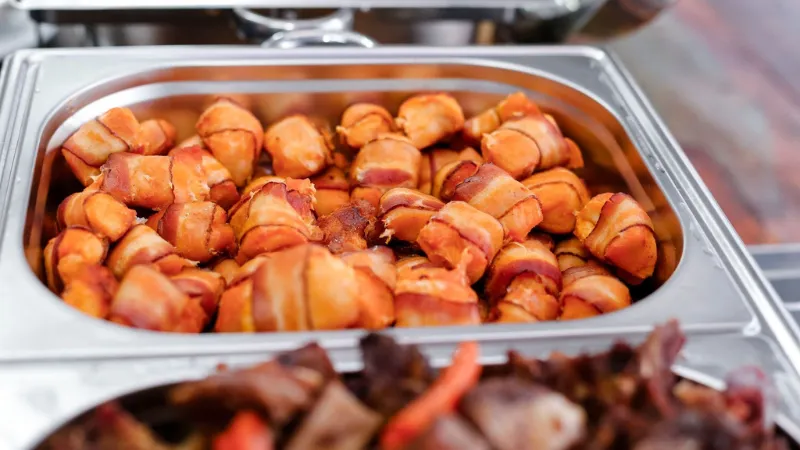
Operating a commercial kitchen in remote regions requires strict operational precision. Crew members working at heavy industrial stations depend on hot meals to power through demanding 12-hour shifts. Providing daily nourishment keeps field crews healthy during long assignments away from home.
 Follow us
 Follow us
Feeding hundreds of workers miles away from major cities presents unique supply chain hurdles. A clear logistical framework keeps camp kitchen systems running smoothly without unexpected operational downtime. Efficient planning keeps dining services dependable for every crew member on the job.
The Value Of Remote Site Food Services
Heavy industries place construction camps in isolated regions far away from local town restaurants and grocery suppliers. Project managers must provide consistent dining options right at the job site to maintain workforce productivity throughout the year. Serving hot food directly at the campsite minimizes travel downtime during brief afternoon lunch breaks for everyone.
Industrial teams require high-calorie menus to sustain demanding daily operations in rugged outdoor environments. Project leaders can learn more about managing field kitchens to maintain workforce morale during long deployments. Nutritious food options directly impact daily operational output across the entire camp by keeping energy levels high.
RECOMMENDED FOR YOU

Quality meal preparation improves retention rates among skilled industrial laborers who spend months away from families. Providing hot food builds a supportive camp environment for crews working under harsh winter weather conditions. Reliable dining services demonstrate that corporate management truly values the health and well-being of the field team.
Supply Chain Logistics For Remote Areas
Shipping fresh ingredients to isolated camps demands careful calendar coordination and temperature monitoring. Refrigerated transport trucks travel across rough terrain to deliver perishable goods on precise weekly schedules. Fleet managers track changing weather patterns closely to prevent transport delays on unpaved wilderness access roads.
Procurement managers coordinate with multiple regional vendors to secure quality meats and fresh seasonal produce. Staggered delivery dates prevent kitchen storage spaces from overflowing with excess inventory before consumption occurs. Kitchen managers balance fresh deliveries with long-term storage options to protect daily meal schedules from disruption.
Having a backup supply plan prevents severe food shortages when winter storms delay transit routes. Emergency storage facilities maintain 5 days of dry goods for unpredictable situations in the field. Resourceful managers keep emergency rations on hand to protect camp operations from unexpected delivery failures.
Maintaining Strict Food Safety Standards
Remote kitchens handle massive quantities of raw inventory under difficult environmental conditions and variable temperatures. Kitchen workers check holding temperatures every 2 hours to avoid bacterial contamination risks in raw ingredients. Standard safety logs keep track of meat storage temperatures throughout the day to meet industry rules.
Academic research shows that maintaining proper food hygiene protects public health and builds confidence among consumers, which matters immensely when serving large crowds. Safe kitchen practices prevent dangerous foodborne illnesses from halting field production lines unexpectedly. Supervisors enforce strict handwashing rules to maintain clean kitchen environments for the entire culinary team.
Staff members follow detailed sanitization schedules for every food preparation surface inside the mobile trailers. Regular internal inspections verify that food handlers maintain clean cooking zones daily without exception. Clean workspaces eliminate safety risks before hot meals reach the serving line each afternoon.
Kitchen Equipment And Power Management
Industrial field kitchens utilize heavy-duty appliances specifically designed for transportable mobile trailer systems. Large propane ranges and commercial freezers require stable energy connections to function properly in extreme northern climates. Engineering teams inspect power linkages thoroughly before launching full kitchen operations each season.
Backup generator systems maintain continuous power during regional electrical grid failures or severe storms. Constant electricity keeps walk-in coolers running perfectly to protect $50,000 in fresh food inventory. Power redundancy prevents expensive food spoilage during unexpected blackouts in remote exploration areas.
Standard remote setups feature specific utility connections to support intensive daily cooking operations. Maintenance teams verify these physical components weekly to prevent service interruptions during meal times.
- Dual propane connections for uninterrupted cooking capabilities.
- Heavy-duty diesel generators with automatic transfer switches.
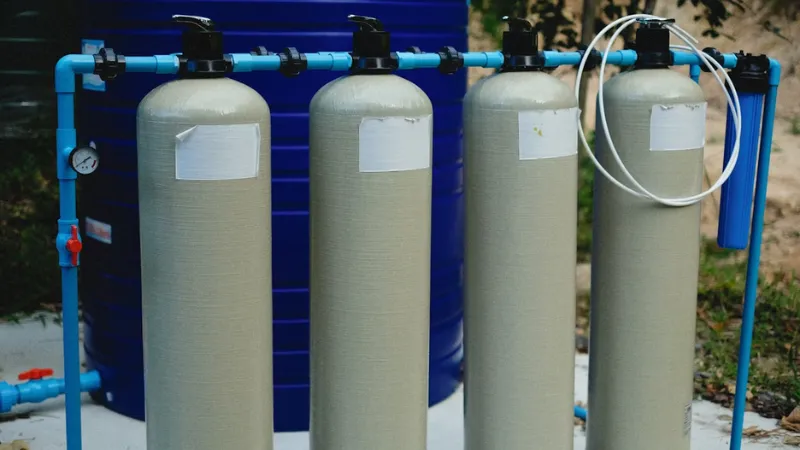
- Water filtration systems for ingredient washing.
Menu Planning For Hardworking Crews
Field menus balance daily nutrition with hearty portion sizes for demanding physical labor duties. Industrial workers burning 4000 calories a day need dense protein sources and complex carbohydrates. Balanced nutrition helps laborers sustain high energy levels during long shifts on the job site.
Kitchen staff cycle menus every 28 days to prevent dining fatigue among long-term camp residents. Serving themed meals on weekends helps break up regular camp monotony for remote workforces. Varied dining options keep crew members looking forward to meal times after long shifts.
Distinct dietary needs require specific menu alternatives in modern industrial field camps. Kitchen teams prepare low-sodium and vegetarian options alongside traditional meat dishes to accommodate every individual. Clear food labeling helps individuals choose healthy meals that match their personal medical requirements.
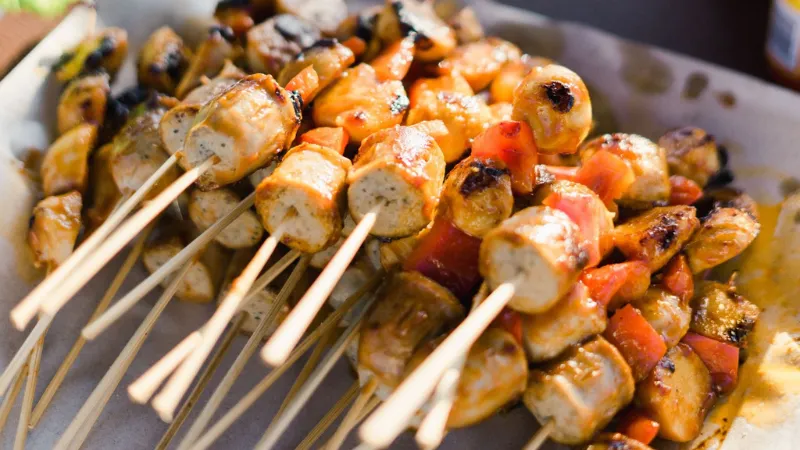
Waste Management And Environmental Compliance
Large-scale dining operations generate significant amounts of solid trash and greywater daily. Isolated sites must process kitchen waste without harming local wildlife or surrounding natural ecosystems. Proper waste storage keeps remote camps fully compliant with state and federal environmental regulations.
Commercial grease traps intercept oils before wastewater leaves the mobile kitchen unit area. Workers store solid garbage in secure animal-proof containers to avoid attracting dangerous local predators. Daily disposal routines keep the camp perimeter clean and sanitary for the entire workforce.
Compliance teams monitor regional disposal laws carefully to avoid costly environmental fines. Active recycling programs minimize the total volume of trash shipped back to municipal sorting facilities. Effective waste management protects the operational longevity of the campsite over multiyear projects.
Managing remote dining facilities demands careful planning across every operational stage. Reliable catering services keep industrial workforces healthy and focused on primary project goals. Solid camp infrastructure supports the overall success of field operations.
Strong supply lines and strict sanitation protocols keep isolated camps running efficiently. Proper execution transforms standard camp dining into a dependable asset for long-term field operations. Supporting workers with quality meals drives project success from start to finish.
Recommended Stories for You

Startuprise Nov 13, 2025
Startuprise Sep 10, 2026

Startuprise Jun 27, 2026

Startuprise Nov 13, 2025

Startuprise Aug 7, 2026

Startuprise Apr 2, 2026
Trending Stories

The Biggest IT Challenges Small Businesses Struggle With Today

Technology Trends Shaping Inventory Management for Startups

Why Startups Choose Flexible Display Solutions
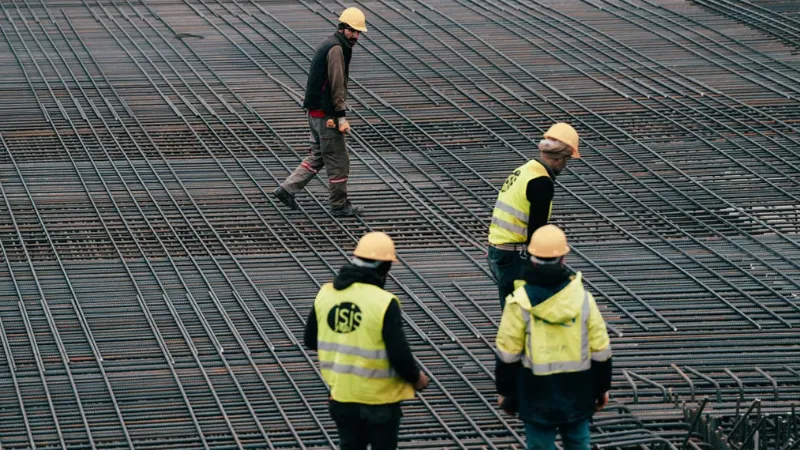
Improving Construction Recruitment Through Better Workforce Data
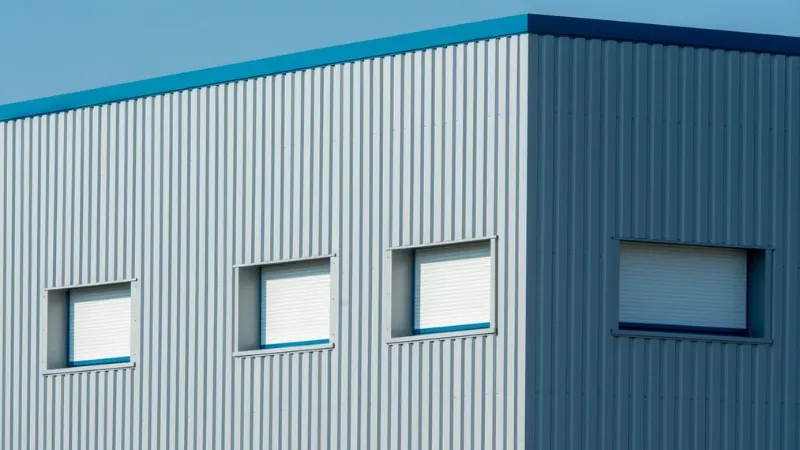
Smart Commercial Roofing Strategies for Growing Businesses
Risk Management Strategies Every Startup Should Consider

The Startup Guide to Building an Offshore Workforce

Packaging Solutions That Help Manufacturers Reduce Waste

