
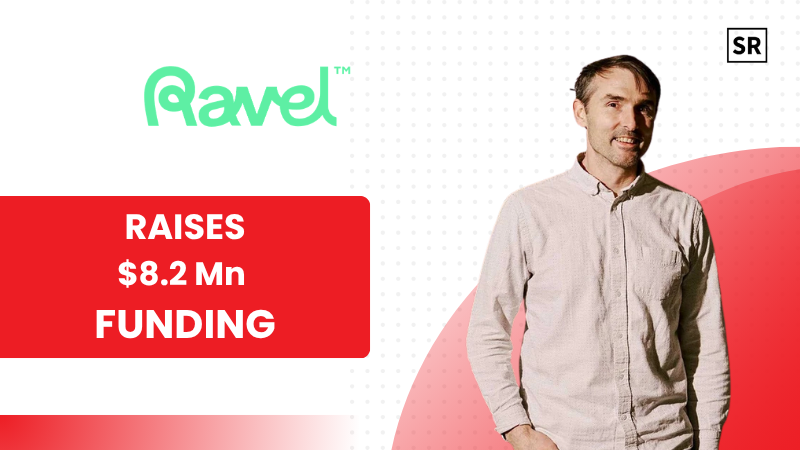
Ravel, a Seattle, WA-based provider of a textile-to-textile purification recycling technology platform, has raised $8.2 million in a Seed funding round led by One Small Planet.
SUMMARY
- Ravel raised $8.2M in Seed funding.
- Funds will support commercial expansion.
- Ravel develops textile recycling technology.
 Follow us
 Follow us
The round also saw participation from AP Ventures, Overlay Capital, Lichen Ventures, At One Ventures, Collateral Good, and Betterway Ventures, among others.
The company will use the funding to accelerate its path to commercial readiness and expand from its Seattle pilot plant to commercial-scale operations.
What is Ravel?
Ravel develops textile recycling technology designed to turn blended textile waste into high-purity raw materials for new textiles.
RECOMMENDED FOR YOU

Matt Zhang Co-Founded Hivemind Digital Group Raises $17M in Funding
Devin Jacobs
Aug 26, 2026
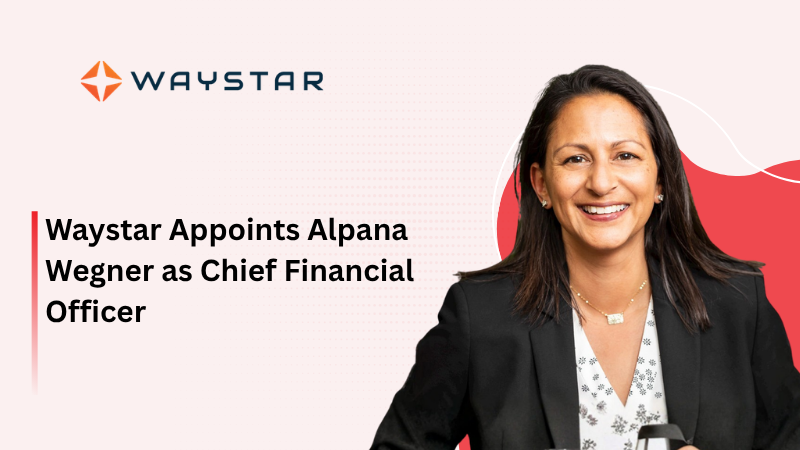
Kentucky-Based Waystar Appoints Alpana Wegner as Chief Financial Officer
Devin Jacobs
Jul 30, 2026

Its Purification Recycling technology is designed to process difficult-to-recycle blended materials, including combinations such as poly-elastane commonly used in performance clothing.
Read More:AI Startup Kastle Raises $24M in Series A Funding
The process separates blended textile waste into mono-material fiber using what the company describes as non-destructive and low-energy processes.
Ravel's technology is designed to accept a wider range of textile feedstocks, reducing the need to separate textile waste into pure material streams before recycling.
The company aims to produce recycled materials that can be used within existing textile manufacturing supply chains without requiring major changes to manufacturing processes.
How Much Funding Has Ravel Raised?
Ravel has raised $8.2 million in its latest Seed funding round.
One Small Planet led the round, with participation from AP Ventures, Overlay Capital, Lichen Ventures, At One Ventures, Collateral Good, Betterway Ventures, and others.
The source does not provide details of previous funding rounds or Ravel's total funding raised.
Who Invested in Ravel’s Seed Round?
One Small Planet led Ravel's $8.2 million Seed round.
AP Ventures, Overlay Capital, Lichen Ventures, At One Ventures, Collateral Good, Betterway Ventures, and other investors also participated.
Why the Funding Matters
Ravel plans to use the funding to move its technology toward commercial readiness and expand operations beyond its Seattle pilot plant.
The company is focused on demonstrating its recycling process at production scale and validating its technology across the textile supply chain.
Ravel is also seeking industry partners to test blended textile waste as a feedstock and integrate its recycled materials into existing manufacturing supply chains.
Who founded Ravel?
Ravel was founded by Zahlen Titcomb, Kristen Albrecht, and John Goods.
The company is headquartered in Seattle, Washington.
Leadership Comments
"There are countless advantages to blended fiber materials for clothing, blends are what make clothing durable, functional, and affordable. But blends are not recyclable with existing infrastructure. That's where Ravel comes in. We're solving a huge problem that other technologies fail to address." says Zahlen Titcomb, CEO of Ravel.
Helen Lin, Partner at At One Ventures, commented: "The biggest driver of success for any recycling business is feedstock. How much of the waste stream that is being utilized is actually usable? How pure does it need to be for the processing to work viably? How far does it need to be transported? Those factors determine unit economics, operational complexity, and ultimately scalability.
Market and Business Growth
Ravel says its technology can process blended textile materials that are difficult for existing recycling systems to handle.
The company notes that around 85% of textiles fall within the four largest material categories and are often blended together, creating challenges for textile waste collection and processing.
Ravel's Seattle pilot plant is currently being used to develop and validate its technology before the company moves to commercial-scale operations.
The company is also responding to increasing Extended Producer Responsibility requirements, which place greater responsibility on brands and manufacturers for textile waste.
What Happens Next?
Ravel plans to expand from its Seattle pilot plant to commercial-scale operations.
The company will focus on validating its technology at production scale and working with industry partners to use blended textile waste as feedstock and incorporate its recycled materials into existing textile supply chains.
Read More:California-Based Viabot Raises $24M in Series A Funding
Recommended Stories for You

Devin Jacobs Jul 31, 2024
Devin Jacobs Apr 25, 2026
Devin Jacobs May 13, 2026

Devin Jacobs Jun 17, 2026
Trending Stories
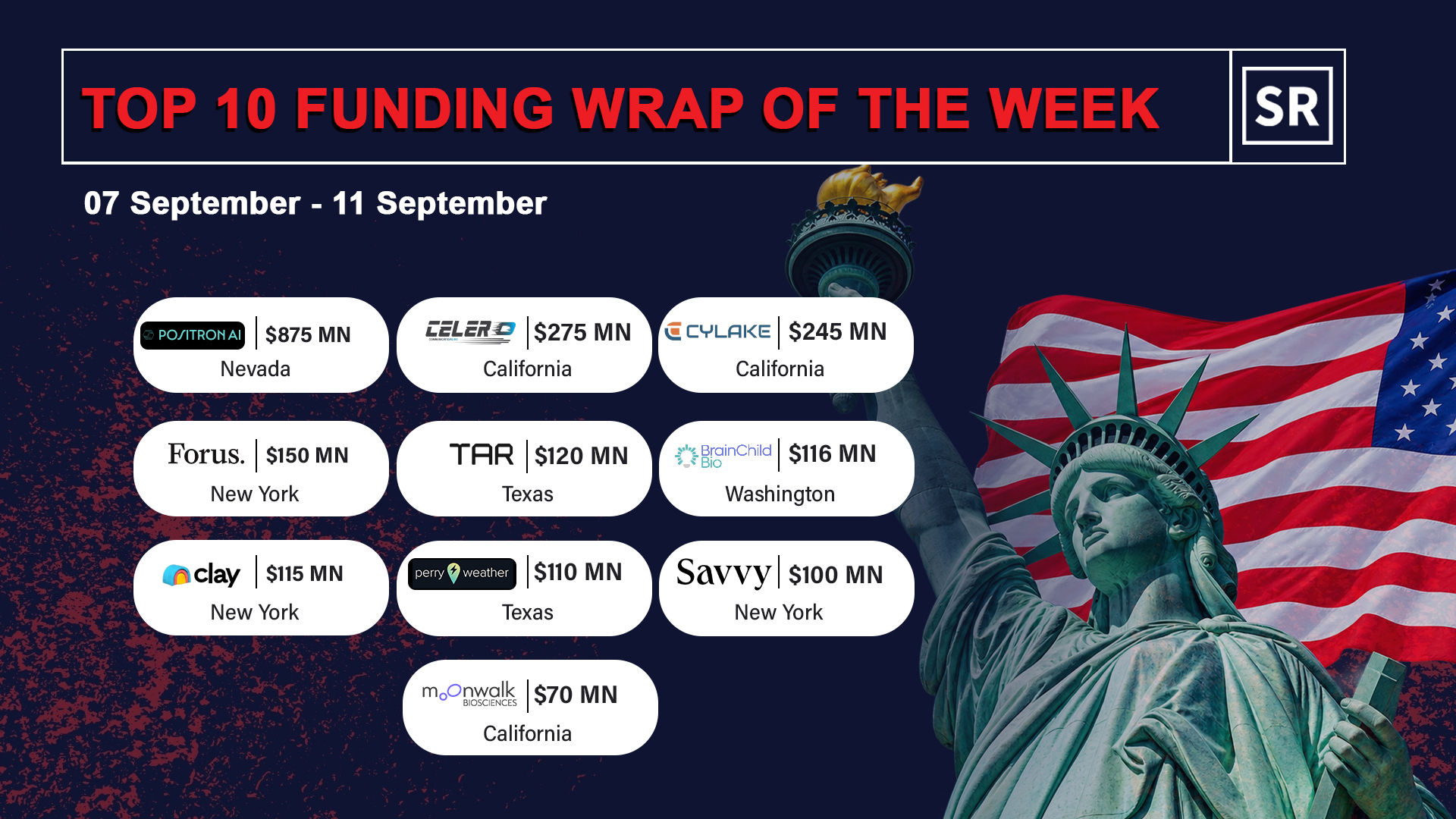
Top Funding Wrap Of The Week – 07 September – 11 September 2026

[Funding alert] CA-based Westbound Equity Partners Secures its Second Fund at $100Million
Skan AI Raises $63 Million to Give Enterprise AI the Context It’s Missing

AGent Energy Bags $11M in Series Seed Round

[Funding alert] CA-based Proto Hologram Secures an Investment from Cartan Capital
Timeshifter Raises New Funding Led by Skip Capital
Healthtech Startup TytoCare Lands $25M+ to Expand Remote Care Platform

Ping Zhu Co-Founded CORE Biomedicine Raises $21M in Series A Funding

