

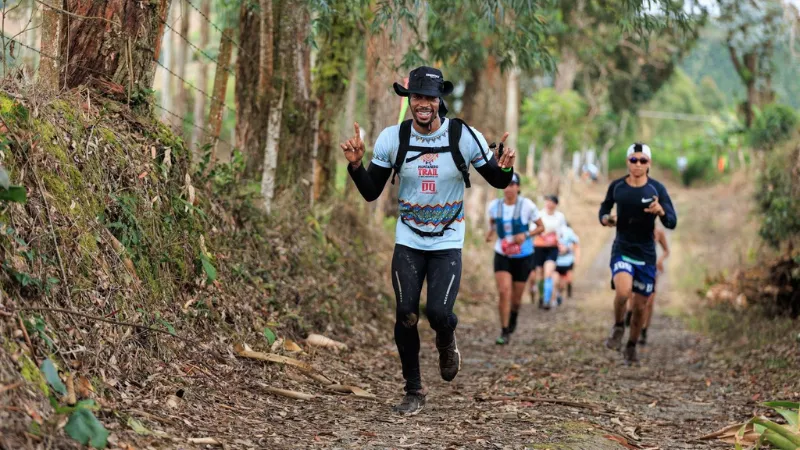
The quiet trees provide a beautiful backdrop for a morning workout. Winding dirt paths offer a soft surface for your joints compared to hard city pavement.
 Follow us
 Follow us
Nature remains highly unpredictable for outdoor athletes. A sudden trip over a hidden root can alter your entire weekly training routine in a single fraction of a second.
Assess Your Immediate Situation
Falling on a remote path leaves you far from immediate medical help. If property neglect caused your fall over a hazardous obstacle, consulting an expert in personal injury law might protect your recovery needs. Safety remains your primary focus right after a bad tumble. Sit quietly for 1 minute to let the initial adrenaline rush pass before moving.
Check your limbs systematically for swelling, bruising, or deep cuts. Moving your body too quickly can worsen an unrecognized ankle sprain or a small bone fracture. Take slow breaths to calm your elevated heart rate down before standing up.
RECOMMENDED FOR YOU

How Crypto Can Help Grow Your Money: Key Financial Benefits Explained
Startuprise
Apr 2, 2026

Time and Materials Contracts in Construction: Flexibility and Cost Transparency
Startuprise
May 9, 2026

From Garage to HQ: How to Brand Your Startup’s Physical Space on a Budget
Startuprise
Apr 30, 2026
Verify your current location using your smartphone maps or familiar trail landmarks. Knowing your exact spot helps if you need to call emergency contacts for assistance.
Tend to Minor Wounds Onsite
Clean loose dirt away from open scrapes using clean water from your hydration pack. Leaving trail debris in a fresh cut invites unwanted bacterial infections. Apply firm pressure with a clean cloth or bandage to stop any active bleeding.
Stabilize weak joints immediately if you suspect a minor ankle twist or wrist strain. Tie a long-sleeve jacket tightly around the joint to create temporary support. Walk slowly for a few steps to test your current ability to bear weight.
Resting for 10 minutes gives your nervous system a chance to stabilize after the impact. Pain signals become much clearer once the initial shock wears off completely. Listen to your body before making the decision to take another step.
Navigate Your Way Back Safely
Turn back toward the main trailhead if the pain persists during your test walk. Continuing your planned route creates severe extra strain on compromised leg muscles. Choose the flattest path available for your return walk to minimize further joint stress.
Lean on strong tree branches for extra stability on steep downhill declines. Use short, deliberate steps to manage rocky sections without losing your footing. Focus entirely on keeping your balance to prevent a second tumble on the dirt.
An online running publication mentioned that being injured is a major upset for any athlete. Your main goal becomes reaching a safe exit point where vehicles can access your location. Do not hesitate to call a friend for a ride home.
Establish a Recovery Plan
Resting forms the absolute foundation of proper physical healing after a trail mishap. Pushing through severe discomfort lengthens your total time away from the sport. Give your muscle tissues the necessary time to repair themselves correctly.
A training platform suggested taking 3 days of total rest if pain exceeds a 3 out of 10 scale or causes limping. The short break prevents minor tweaks from becoming chronic issues that plague your season. Use ice packs to control swelling during the initial days.
Track your healing progress daily to notice positive or negative patterns. Clear markers indicate when it is safe to increase your activity levels. Use some simple physical indicators to gauge your current recovery status:
- Swelling decreases significantly over the first 48 hours.
- Joint mobility returns gradually without causing sharp pains.
- Walking feels normal without any noticeable limp or stride alteration.
Strengthen Your Body for the Future
Preventing future mishaps requires building better physical resilience through targeted exercises. Stronger muscles protect your joints from sudden twists on highly rocky terrain. Incorporate simple stability movements into your weekly routine to protect your lower limbs.
A Canadian sports magazine highlighted that runners practicing regular strength training experience fewer injuries. Focus on single-leg exercises to mimic the balance needed on uneven dirt trails. Consistency yields the best long-term physical protection against common outdoor hazards.
Add calf raises, lunges, and weighted squats to your gym sessions. Stronger legs absorb the heavy impact of uneven ground much better. Better muscle strength reduces the total load placed on your delicate tendons during long runs.
Know When to See a Professional
Medical experts provide clear guidance for complex physical damage caused by outdoor accidents. Persistent pain requires a proper diagnosis from a licensed physical therapist or medical doctor. Avoid self-diagnosing severe structural issues that do not improve.
Advanced imaging tools reveal hidden micro-tears or bone bruises that escape the naked eye. Getting a professional medical opinion removes the dangerous guesswork from your rehabilitation timeline.
Returning to active training requires immense patience from passionate trail runners. Rushing the physical recovery process leads right back to the couch with a secondary injury. Trust the guidance of healthcare professionals to protect your longevity in the sport.

Trail running offers incredible mental and physical rewards for athletes of all skill levels. Staying safe requires preparing for the unexpected moments on the remote dirt paths.
Listen to your body when unexpected accidents happen far from home. Taking smart steps immediately protects your long-term health and keeps you moving forward toward your goals.
Recommended Stories for You

Startuprise Jun 26, 2026
Startuprise May 9, 2026

Startuprise Jul 2, 2026

Startuprise Nov 14, 2025

Startuprise Nov 13, 2025

Startuprise Apr 15, 2026
Trending Stories

From SaaS to Smart SaaS: How AI Integration Is Reshaping Modern Products

Startup Founders Managing Focus and Consistency Challenges

Lifestyle Changes to Consider After an Injury

The Importance of Maintaining Your Commercial Building’s Roof

How To Scale Your Startup And Protect Your Bottom Line

The Future Of Operational Resilience In High-Growth Sectors

How Colorado’s Startup Boom Is Reshaping Commercial Spaces
How to Overcome Fear and Start Investing Today

