
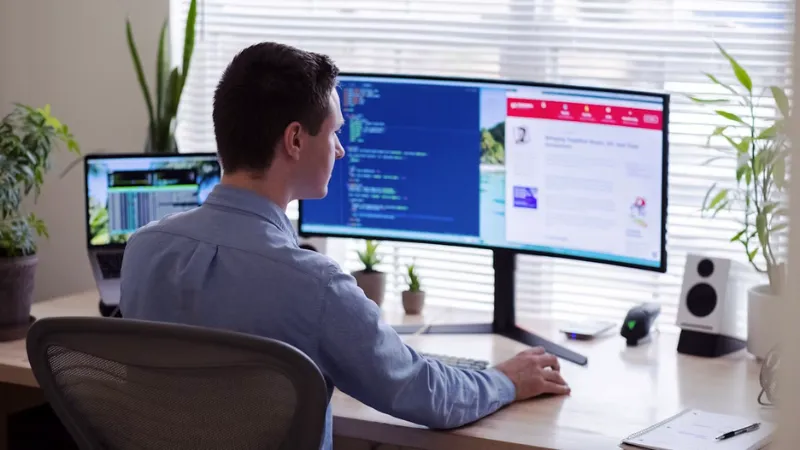
The construction industry has historically been viewed as a sector driven primarily by manual labor, heavy machinery, and physical materials. However, over the past decade, construction has undergone a massive digital transformation. Today’s job sites are powered by complex software, from Building Information Modeling (BIM) and drone surveying to cloud-based project management platforms and automated time-tracking systems.
 Follow us
 Follow us
As construction firms scale, take on larger projects, and hire more personnel, their technology footprint expands rapidly. Managing this complex infrastructure often exceeds the capabilities of a single in-house IT person or a small, stretched-thin administrative team.
This is precisely why growing construction companies are increasingly choosing to invest in managed IT. By partnering with external experts, these businesses can ensure their technology works seamlessly, securely, and efficiently, allowing them to focus on what they do best: building.
The High Cost of Tech-Related Downtime
In the construction business, time is quite literally money. Tight project schedules, rigid deadlines, and expensive hourly labor mean that any delay can severely impact the bottom line.
RECOMMENDED FOR YOU


Best 529 College Fund Advisors in Fort Myers FL (529 + Coverdell + UGMA Planning)
Startuprise
May 20, 2026

How to Get a Personal Financial Advisor for My Job 401k Without Overpaying Fees
Startuprise
Jul 16, 2026
If the main server crashes at the corporate office, or if the network goes down at the job site trailer, work grinds to a halt. Project managers lose access to the latest blueprints, change orders cannot be processed, and communication between the field and the office completely breaks down.
A managed IT service provider monitors networks proactively, identifying and resolving potential hardware and software issues before they cause significant downtime. Instead of relying on a reactive "break-fix" model, where you only call for help after a system has already failed, managed IT offers continuous, 24/7 monitoring. This proactive approach minimizes disruptions, ensuring that highly paid crews aren't left standing around waiting for a router to be rebooted.
Simplifying Technology Integration and Vendor Management
Construction companies rely on a multitude of specialized vendors, ranging from job site internet providers to niche AEC software developers. Coordinating between these disparate support teams during a technical issue often leads to finger-pointing and delayed solutions.
By delegating these complex relationships to specialized managed IT services for construction, growing firms gain a single point of contact to oversee their entire digital ecosystem. This streamlined support model frees project managers from playing tech mediator, allowing them to focus strictly on job site productivity.
Ultimately, unified oversight ensures all software and hardware assets work in harmony to drive project success.
Enhancing Cybersecurity and Protecting Intellectual Property
Construction firms might not seem like obvious targets for cybercriminals, but they actually hold a treasure trove of highly valuable data. This includes proprietary architectural designs, competitive bidding strategies, financial records, and the personally identifiable information (PII) of hundreds of employees and subcontractors.
The fragmented nature of construction IT, with multiple mobile devices, remote site trailers, and third-party vendors accessing the network, creates numerous vulnerabilities for hackers to exploit.
Recognizing these risks is paramount for modern builders. Organizations looking to secure their data often rely on strict frameworks provided by authoritative governmental bodies to understand baseline cybersecurity requirements.
Managed IT providers implement these comprehensive cybersecurity protocols tailored to the unique risks of the construction sector. They deploy advanced endpoint protection, enforce multi-factor authentication (MFA), manage automated daily data backups, and conduct regular security awareness training for field and office employees alike.
In an era where a single ransomware attack can lock a company out of its own project files, having a dedicated team of security experts is an absolute necessity for survival.
Supporting Mobility Between the Back Office and the Field
The modern construction company is not confined to a single office building. Operations are dynamically split between corporate headquarters and multiple, ever-changing job sites. Bridging the gap between the back office and the field requires robust mobile solutions and cloud computing.
Superintendents need to access massive 3D models on their tablets while standing in the dirt, and executives need real-time budget updates while traveling between meetings.
Managed IT providers specialize in creating secure, reliable cloud architectures that facilitate this level of mobility. They ensure that field workers have secure virtual private network (VPN) access and reliable job site connectivity (often setting up and tearing down temporary wireless networks for site trailers).
Industry authorities frequently highlight how seamless mobile connectivity and cloud collaboration drastically reduce costly errors and rework on site by ensuring everyone is working from the most up-to-date plans.
Managing Complex Software and Large Data Loads
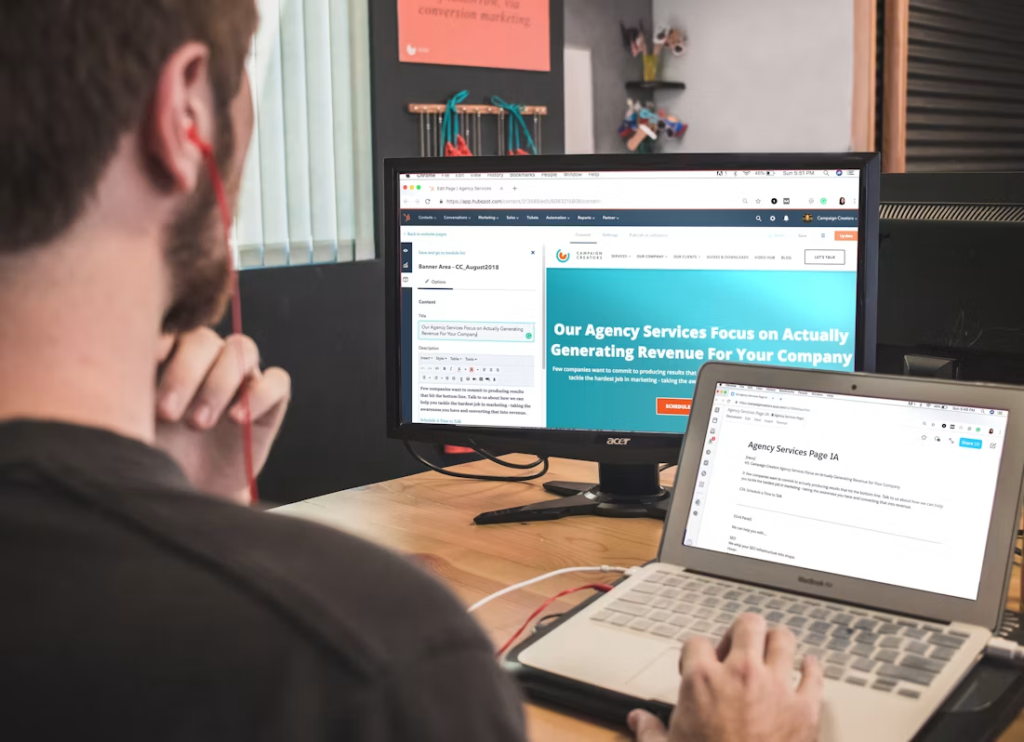
Software used in the architecture, engineering, and construction (AEC) industry demands high performance. BIM applications, Computer-Aided Design (CAD) programs, and high-resolution drone imagery require significant processing power and massive amounts of data storage. Trying to run these applications on outdated servers or insufficient workstations leads to sluggish performance, software crashes, and immense frustration for estimators and architects.
A managed IT partner evaluates a construction company's specific software requirements and recommends the right hardware and cloud storage solutions to handle heavy data loads. They also take on the burden of patch management, software updates, and license compliance for industry-specific tools like Procore, Bluebeam, and AutoCAD.
In a highly competitive industry, technology is a massive differentiator. Firms that leverage modern digital tools efficiently can build faster, safer, and more profitably than those bogged down by outdated, inefficient systems. As your operations expand, attempting to handle complex networking, cybersecurity, and data storage in-house becomes a risky distraction.
Recommended Stories for You

Startuprise Jul 21, 2026
Startuprise Aug 18, 2026

Startuprise May 8, 2026
Startuprise Apr 11, 2026

Startuprise Apr 8, 2026

Startuprise May 26, 2026
Trending Stories

From SaaS to Smart SaaS: How AI Integration Is Reshaping Modern Products

Startup Founders Managing Focus and Consistency Challenges

Lifestyle Changes to Consider After an Injury

The Importance of Maintaining Your Commercial Building’s Roof

How To Scale Your Startup And Protect Your Bottom Line

The Future Of Operational Resilience In High-Growth Sectors

How Colorado’s Startup Boom Is Reshaping Commercial Spaces

How to Overcome Fear and Start Investing Today

