
For any scaling business, momentum is the ultimate currency. When a startup or expanding enterprise secures its first dedicated physical space—whether a headquarters, an R&D laboratory, or a fulfillment warehouse—it marks a major milestone. However, physical assets also introduce physical risks.
 Follow us
 Follow us
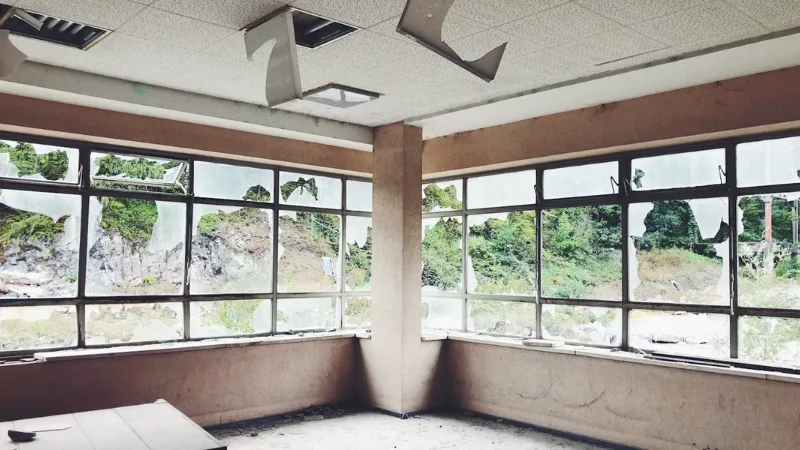
Facility damage from unexpected disasters can instantly halt day-to-day operations, put customer relationships at risk, and drain hard-earned runway. Minimizing business interruption after a catastrophic event requires a strategic blend of rapid operational adaptability, financial foresight, and elite restoration partnerships.
The Escalating Threat of Physical Facility Damage
In recent years, the external risk landscape has shifted dramatically, making property vulnerability a primary concern for modern business leaders. Climate volatility and extreme weather events are no longer distant anomalies; they are pressing operational hazards that cause billions of dollars in structural losses annually.
Whether dealing with flash floods, localized fires, or severe structural collapses, companies face an escalating threat environment. For an emerging business, a single catastrophic weather event can decimate infrastructure overnight, making it imperative to understand that physical risks require active, ongoing mitigation.
RECOMMENDED FOR YOU

First Impressions: Why Commercial Curb Appeal Matters for Startups
Startuprise
Apr 14, 2026


Why Startups Are Uniquely Vulnerable to Operational Halts
While established corporations possess deep capital reserves to weather prolonged closures, early-stage enterprises face a far steeper climb to recovery. For the startuprise.io community of innovators and entrepreneurs, agility is a core strength, but capital concentration is an inherent vulnerability. A temporary closure of a primary facility can completely disrupt product development cycles, delay critical product launches, and cause immediate churn among hard-won early adopters.
Furthermore, startups often operate with lean cash reserves, meaning that a multi-week suspension of revenue-generating activities can quickly evolve into an existential crisis. Protecting physical infrastructure is not merely about preserving brick-and-mortar assets; it is about shielding the company's strategic momentum and market positioning.
Cultivating a Proactive Response Mindset
Surviving facility damage begins long before the actual crisis occurs. It demands a cultural shift from passive reaction to intentional, strategic foresight. According to industry risk reports, organizations must anticipate a wider array of threats and be prepared to respond swiftly and effectively to maintain operational integrity. This proactive posture requires founders and operations executives to actively map out potential single points of failure within their facilities.
Developing a comprehensive crisis management framework ensures that when disaster strikes, the team does not waste valuable hours panic-managing the situation. Instead, every team member understands their specific role, communication protocols remain intact, and leadership can immediately pivot to pre-arranged contingency plans.
Tactical Steps to Maintain Supply Chain Continuity
When a primary facility suffers severe structural damage, keeping workflows active requires immediate, creative logistics management. Businesses cannot afford to wait for complete structural repairs before fulfilling customer orders or continuing production. To successfully bypass localized operational blockages, scaling companies should implement diversified operational tactics.
Key tactical actions to deploy during a facility crisis include:
- Securing urgent deliveries from verified alternative suppliers to circumvent damaged local inventory.
- Implementing temporary overtime work schedules at unaffected secondary locations or co-working hubs.
- Utilizing premium freight services for both inbound and outbound logistics to accelerate distribution.
- Migrating core digital infrastructure to cloud networks to sustain remote administrative workflows.
By executing these flexible logistical workarounds, an organization can maintain a baseline of market presence even while its main headquarters remains offline.
Leveraging External Expertise
The speed at which a business can safely re-enter its physical space directly dictates the total economic impact of the disaster. Attempting to manage extensive property remediation internally or relying on unvetted local handymen often leads to prolonged delays, compliance violations, and compounding secondary damage like mold or structural weakening.
To achieve rapid, comprehensive recovery, enterprises must collaborate with professional disaster recovery providers who possess the specialized heavy equipment, structural engineering expertise, and scalability required to handle large-scale commercial losses. As seen at https://cottongds.com/, startups and enterprises can now easily access elite, turnkey commercial restoration and environmental cleanup solutions. Working with premier industrial restoration experts ensures that structural integrity is verified, debris is cleared safely, and operations resume under optimal timelines.
Financial Safeguards and Business Continuity Planning
Ultimately, operational resilience must be backed by a robust financial safety net. Business interruption insurance serves as an indispensable tool for protecting a company's bottom line when its physical premises are compromised. These specialized commercial policies are designed to cover ongoing fixed costs, such as payroll, rent, and loan payments, while the physical facility undergoes necessary remediation.
Entrepreneurs should regularly audit their insurance portfolios to ensure their coverage limits accurately reflect their current valuation, equipment investments, and projected revenue growth. Combining detailed financial protection with a thoroughly tested business continuity plan guarantees that a physical crisis does not lead to financial insolvency.

Facility damage is an undeniable test of an enterprise's foundational strength, but it does not have to spell the end of a promising venture. By recognizing modern environmental risks, preparing for supply chain contingencies, and establishing strategic recovery partnerships ahead of time, business leaders can insulate their companies from prolonged operational standstills. In the fast-paced business world, resilience is a competitive advantage, and a well-executed restoration plan ensures your company emerges stronger.
Recommended Stories for You

Startuprise Jun 17, 2026

Startuprise Jul 28, 2026

Startuprise Apr 9, 2026

Startuprise Mar 30, 2026

Startuprise Apr 17, 2026
Startuprise Apr 17, 2026
Trending Stories

Mail In Your Diecast Race Car

How Reputation Management Influences Business Growth in Competitive Markets

7 Marketing Strategies for High-Growth Startups
Building Your First Premises: Choosing Smart Infrastructure

Why Every Business Website Should Have a Blog
Why Browser Security Matters More Than You Think for Startup Founders
Busy Startup Owners Can Spend Less Time on Yard Work
Future-Proofing Hardware: Precision Tech for Tech Founders

