

What Business Owners Should Know About Commercial Vehicle Accidents
Jul 13, 2026 | By Startuprise
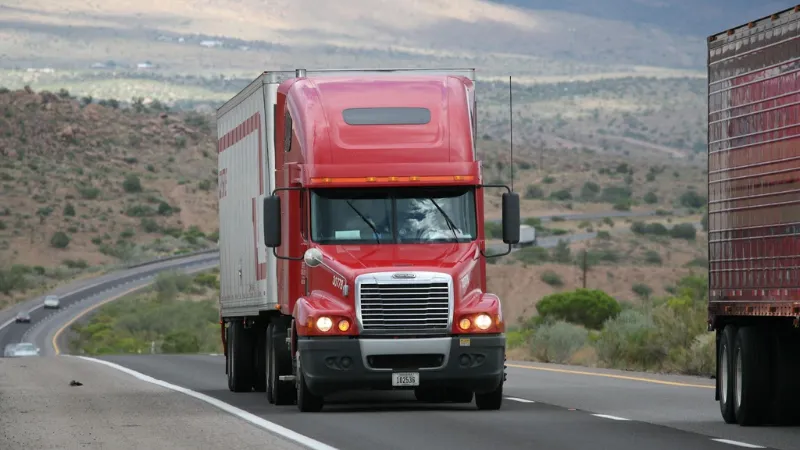
Running a company requires keeping a close eye on your fleet. When a corporate vehicle hits the road, your brand, finances, and legal standing are all on the line. Wrecks involving heavy haulers or delivery vans bring heavy complications. Understanding the landscape of fleet liability can save your company from financial ruin.
 Follow us
 Follow us
The Immediate Realities of Fleet Wrecks
Operating a corporate fleet comes with massive safety responsibilities. Motor vehicle crashes stand out as a leading cause of work-related fatalities in the United States. A single collision can disrupt your entire operations.
Business owners must realize that regular passenger car rules do not apply when heavy machinery is involved. The physical damage and legal exposure escalate immediately when a company asset is involved.
The Staggering Rise in Heavy Truck Incidents
The data surrounding larger vehicles shows a troubling trajectory. Dealing with the aftermath requires deep legal insights from experts such as Dressie Law truck accident lawyers to protect corporate assets. Navigating the immediate fallout involves managing insurance agents, investigators, and potential lawsuits.
RECOMMENDED FOR YOU


The Hidden Hurdles of Female Entrepreneurship (And How to Overcome Them)
Startuprise
Nov 4, 2025

A national safety organization reported that there were over 166,000 fatal and non-fatal crashes involving large trucks and buses across the nation. This surge places every logistics company under a microscope.
Stopping Distance Challenges for Heavy Haulers
Physics plays a massive role in why these collisions cause so much devastation. Loaded tractor-trailers require 20% to 40% more distance than cars to stop completely. When a driver faces sudden highway congestion, a heavy load makes an impact difficult to avoid.
This mechanical reality means your drivers need specialized defensive training. Standard braking metrics fail when applied to fully loaded commercial assets.
Managing Driver Fatigue and Regulatory Compliance
Long hours on the road take a massive toll on human reaction times. Federal regulations strictly limit driving hours, but pressure to meet tight deadlines can lead to costly mistakes.
Firms must actively monitor logs to ensure total compliance. Overworked operators compromise safety and expose the firm to punitive damages during litigation.
The Long-Term Trend in Large Vehicle Crashes
The problem has been compounding over the past decade. Statistical tracking shows 5,218 large trucks were involved in fatal crashes during a recent annual count.
While this represented a tiny single-digit drop from the previous year, it marks a 30% increase over the last ten years. These numbers show that the roads are becoming inherently more hazardous for commercial operators.
Skyrocketing Insurance Costs and Liability Exposure
The financial ripple effects of a crash extend far beyond vehicle repairs. Commercial auto liability direct written premiums jumped to just over $43 billion, marking an increase of 12.3% in a single year.
Insurance experts noted that the industry experienced $1.8 billion of adverse development for commercial auto liability during a recent fiscal period. This trend forces underwriters to raise rates across the board, which hits your bottom line directly:
- Increased frequency of severe highway pileups
- Skyrocketing medical costs for injured third parties
- Social inflation driving massive jury verdicts against corporations
- Adverse development trends forcing insurers to hike corporate premiums

Proactive corporate policies are the best defense against catastrophic legal liability. Implementing strict hiring criteria and using electronic logging devices can mitigate risks before a truck ever leaves the lot. If an incident occurs, securing immediate legal counsel and preserving electronic data will safeguard your firm. Staying informed and prioritizing roadway safety keeps your business moving in the right direction.
Recommended Stories for You

Startuprise Nov 13, 2025

Startuprise Jun 1, 2026

Startuprise Mar 30, 2026

Devin Jacobs Feb 2, 2026

Startuprise May 15, 2026

Startuprise Apr 8, 2026
Trending Stories

How To Scale Your Startup And Protect Your Bottom Line

The Future Of Operational Resilience In High-Growth Sectors

The Ultimate Guide to Starting a Successful Cleaning Business

How Colorado’s Startup Boom Is Reshaping Commercial Spaces

How to Overcome Fear and Start Investing Today

Aligning IT Strategy with Data-Driven Growth Marketing

When Full Mouth Reconstruction Requires a Prosthodontic Approach

Minimizing Business Interruption After Facility Damage

