

How to Start a Job Placement Agency: A Simple Step-by-Step Guide
Nov 9, 2026 | By Devin Jacobs
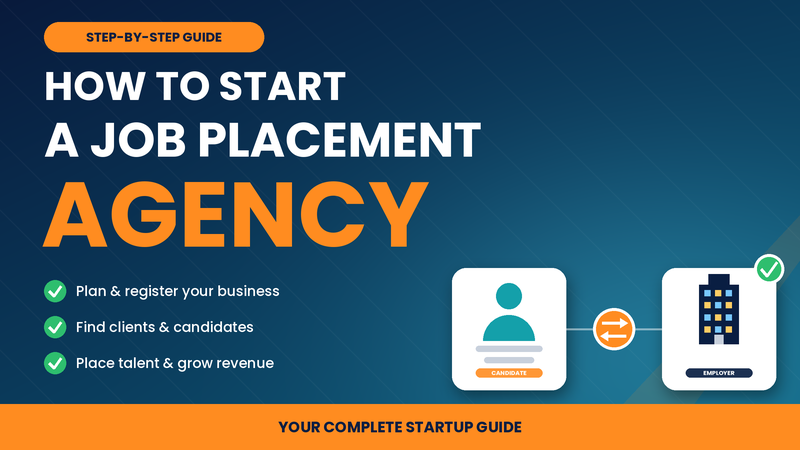
Starting a job placement agency can be a good business idea for people interested in recruitment, human resources and business. Companies need skilled workers, while many people are looking for jobs that match their skills and experience. A job placement agency helps bring employers and job seekers together.
 Follow us
 Follow us
You do not need a big office or a large team to start this business. You can begin from home, work with a few local companies and grow your agency over time.
However, running a successful placement agency requires proper planning, knowledge of the job market and good relationships with companies. If you want to know how to start a job placement agency, this guide explains the main steps, costs, services and ways to find clients.
1. Understand How a Job Placement Agency Works
A job placement agency helps companies find the right people for their job openings. It connects businesses that need employees with people who are looking for work.
RECOMMENDED FOR YOU


Joe Wicks Net Worth in 2026: How The Body Coach Built His Fitness Business
Devin Jacobs
Oct 26, 2026
For example, a company may need an accountant, sales manager, software developer or customer support executive. Instead of finding candidates on its own, the company can ask a placement agency for help.
The agency searches for suitable candidates, checks their qualifications, conducts initial interviews and shares the best profiles with the company.
Most placement agencies earn money by charging companies a fee for successful hiring. Some also provide temporary staffing and other recruitment services.
Before starting, learn how the recruitment process works and decide which services you want to provide.
2. Choose Your Recruitment Sector
The first step is to decide which industries your agency will focus on. You can recruit for different sectors, but starting with one or two industries can make your work easier.
Some popular recruitment sectors include:
- IT and Technology: Software developers, data analysts, cybersecurity experts and IT support staff.
- Healthcare: Doctors, nurses, medical assistants and hospital staff.
- Finance and Accounting: Accountants, financial analysts, auditors and banking professionals.
- Sales and Marketing: Sales executives, digital marketers and business development managers.
- Manufacturing: Engineers, factory workers and quality control staff.
- Hospitality: Hotel employees, chefs, restaurant managers and customer service staff.
Check which industries have more job openings in your target area. Find out what skills companies need and which positions are difficult to fill.
Focusing on a particular industry can help you understand its hiring needs and build a good reputation.
3. Research the Market and Make a Business Plan
Before investing money, learn about the recruitment market in your area. Find out which companies hire regularly and what services other placement agencies offer.
Your research should include:
- Industries with regular job openings.
- Companies that may need recruitment support.
- Other placement agencies in your area.
- Average recruitment fees.
- Common job roles and salary levels.
- Skills that employers find difficult to hire.
After your research, prepare a simple business plan. Include the services you will offer, your target customers, recruitment fees, marketing plans and expected expenses.
You should also estimate how many successful placements you need each month to cover your business costs.
A good business plan will help you understand how to start and manage your agency.
4. Register Your Business and Follow Legal Rules
After preparing your business plan, choose a business structure and register your agency according to the rules in your country.
You may start as a sole proprietor, partnership, limited liability company or private limited company.
You may also need business registration documents, tax registration and a separate bank account for your agency.
Recruitment agencies must follow local employment and business rules. Some countries have special requirements for agencies that recruit workers for overseas jobs or charge candidates for services.
If you are starting in India, check the business registration, tax and labour-related rules that apply to your agency. Overseas recruitment may require additional approval.
You should also prepare agreements with companies. These agreements should clearly explain recruitment fees, payment dates, replacement policies and the responsibilities of both sides.
5. Decide Which Recruitment Services to Offer
A job placement agency can provide different services based on the needs of companies.
Some common services include:
Permanent Recruitment: Finding people for full-time jobs. The company pays your agency after hiring a suitable candidate.
Temporary Staffing: Providing workers for short-term jobs, seasonal work or temporary projects.
Executive Search: Finding experienced managers, directors and senior-level employees.
Contract Recruitment: Helping companies hire workers for a fixed period or specific project.
Bulk Hiring: Finding several employees for companies that need to fill many vacancies at once.
You can start with permanent recruitment and add more services as your agency grows.
6. Calculate the Cost of Starting a Job Placement Agency
The cost of starting a job placement agency depends on your location, team size and business model.
You can start a small agency from home with a laptop, internet connection and basic recruitment tools. If you want to open an office and hire employees, you will need more money.
Your main business expenses may include:
Expense What It Covers Business registration Company registration and documents Office setup Rent, furniture and equipment Website Domain, hosting and website development Recruitment software Tools for managing candidates and jobs Marketing Online ads and business promotion Staff salaries Recruiters and office employees Legal services Business agreements and legal support
You should also keep some extra money for daily business expenses. Companies may take time to pay recruitment fees, as payment often depends on the candidate joining the job or completing an agreed period.
Starting with a small setup can help you save money while finding your first clients.
7. Build a Database of Job Seekers
A good list of job seekers is important for every placement agency. It helps you find suitable candidates when companies share new vacancies.
You can find candidates through your website, LinkedIn, job portals, referrals and social media.
Collect useful details such as:
- Candidate name and contact information.
- Education and qualifications.
- Previous work experience.
- Skills and professional knowledge.
- Preferred job location.
- Expected salary.
- Joining availability and notice period.
Keep candidate information organised so you can find suitable profiles quickly.
You can use applicant tracking systems (ATS) or recruitment software to manage applications, interviews and hiring updates.
Always get permission before collecting or sharing personal information. Keep candidate details safe and follow data protection rules.
8. Find Companies That Need Recruitment Services
Getting companies as clients is one of the most important parts of running a placement agency.
Start by making a list of businesses in your chosen industry. Look for companies that are growing, opening new offices or regularly hiring employees.
Connect with HR managers, business owners, hiring managers and startup founders through LinkedIn, email and business events.
Tell them how your agency can help save time by finding suitable candidates and managing the early stages of recruitment.
You can also contact small and medium-sized businesses that do not have large HR teams.
In the beginning, focus on building good relationships with a few companies. If you provide suitable candidates and good service, these companies may work with you again and recommend your agency to others.
Read Also- How Much Does It Cost to Register for VAT in the UK? Fees, Rules and Requirements in 2026
9. Decide Your Recruitment Fees
A job placement agency usually earns money by charging companies for successful hires. Your fees should depend on the job role, salary, hiring difficulty and services you provide.
Some common ways to charge clients include:
- Percentage-Based Fee: Charging a percentage of the selected candidate's yearly salary.
- Fixed Placement Fee: Charging a set amount for every successful hire.
- Retainer Fee: Taking an advance payment to work on specific job openings.
- Contract Staffing Fee: Charging for providing workers over an agreed period.
For example, if a company agrees to pay a 10% recruitment fee for a job with an annual salary of $40,000, your agency will earn $4,000 after the agreed hiring conditions are met.
Recruitment fees can differ between countries and industries. Make sure your clients understand the fees and payment conditions before you begin working on their vacancies.
10. Promote Your Job Placement Agency
Marketing helps your agency reach more companies and job seekers. Start by creating a professional website that explains your services, industries, contact details and available jobs.
Use LinkedIn to connect with companies, share job openings and post useful recruitment information. You can also create a Google Business Profile if you serve a local area and meet Google's eligibility rules.
Other ways to promote your agency include:
- Sharing job openings on social media.
- Sending recruitment offers to companies.
- Connecting with colleges and training centres.
- Asking happy clients to recommend your services.
- Sharing interview tips and career advice.
- Creating website pages for different industries and job roles.
SEO can also help people find your agency through Google. Use keywords such as "job placement agency," "recruitment agency" and "staffing services" naturally on your website.
11. Track Your Business Growth
Once your agency starts receiving job openings and placing candidates, check its performance regularly.
Keep track of:
- Number of companies working with your agency.
- Number of registered job seekers.
- Number of interviews arranged.
- Number of successful placements.
- Average time taken to fill a job.
- Monthly revenue and business expenses.
These numbers will help you understand which industries are giving you the best results.
As your business grows, you can hire more recruiters, work with companies in new locations and offer more recruitment services.
FAQs
1. How much money do I need to start a job placement agency?
The cost depends on your location and business size. A small agency working from home needs less money, while an agency with an office and employees requires a bigger investment.
2. Do I need a licence to start a recruitment agency?
It depends on the country where you want to operate. Some countries require special registration or permission, particularly for overseas recruitment. Check the local rules before starting.
3. How does a job placement agency earn money?
Most agencies earn money by charging companies a fee when they successfully hire a candidate. They can also earn through temporary staffing, contract recruitment and executive search services.
4. Can I start a job placement agency from home?
Yes. You can start from home with a laptop, internet connection, recruitment software and a website. You can open an office when your business grows.
5. How can I get my first clients for a recruitment agency?
Contact local companies, connect with HR managers on LinkedIn, approach startups and send recruitment proposals. Providing good candidates can help you build long-term relationships and get more clients.
Final Thoughts
Starting a job placement agency requires good planning, knowledge of the job market and strong relationships with companies and job seekers.
You do not need a large office or a big team to begin. Start with one industry, build a good database of candidates and focus on helping companies find the right employees.
With clear pricing, good service and regular marketing, you can slowly grow your placement agency into a successful business.
Recommended Stories for You

Devin Jacobs Sep 28, 2026

Devin Jacobs Dec 12, 2025

Devin Jacobs Dec 6, 2025

Devin Jacobs Dec 30, 2025

Devin Jacobs Dec 26, 2025

Devin Jacobs Jul 27, 2026
Trending Stories
How to Start a Tech Consulting Business

Susan Dell Net Worth 2026: Business Career, Wealth and Philanthropy

The Rise of Early-Stage Semiconductor Startups in the USA: Powering the Next Tech Revolution
What Companies Does Bill Gates Own? Complete List of His Investments and Businesses

Top 8 Quantum Computing Startups in the USA to Watch in 2026
Joe Wicks Net Worth in 2026: How The Body Coach Built His Fitness Business
Top 10 Facility Management Companies in the World (2026)
Most Valuable Latin American Brands by Brand Value in 2026

