

Top 8 Quantum Computing Startups in the USA to Watch in 2026
Oct 20, 2026 | By Devin Jacobs
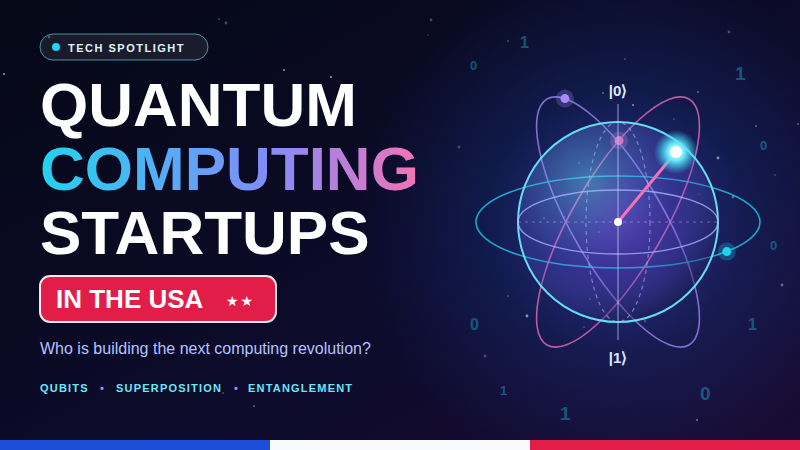
Quantum computing is becoming an important area of technology, with startups across the United States developing new ways to solve complex problems in healthcare, finance, energy, cybersecurity and scientific research.
 Follow us
 Follow us
Unlike traditional computers, which use bits represented by zeros and ones, quantum computers use quantum bits, known as qubits. These can use quantum properties such as superposition and entanglement to solve certain problems that are difficult for conventional computers.
The USA is home to several quantum technology companies working on quantum processors, software, networking and sensing. Here are eight quantum computing startups and companies to watch in 2026.
1. PsiQuantum
Headquarters: Palo Alto, California
RECOMMENDED FOR YOU



History of Artificial Intelligence: From Early Machines to Modern AI
Devin Jacobs
Sep 14, 2026
PsiQuantum is developing large-scale quantum computers using photonics, a technology that uses particles of light to carry quantum information.
The company aims to build fault-tolerant quantum computers using silicon photonics and manufacturing techniques associated with the semiconductor industry.
Its technology could eventually support applications in drug discovery, chemistry, materials science and energy research. PsiQuantum is working towards making quantum computing useful for complex industrial problems that traditional computers struggle to solve.
Website: https://www.psiquantum.com/
2. IonQ
Headquarters: College Park, Maryland
IonQ develops quantum computers using trapped-ion technology. Its systems use individual charged atoms as qubits and control them with lasers to perform calculations.
The company provides access to quantum computing through cloud platforms, allowing researchers and businesses to experiment with quantum applications without operating their own hardware.
Potential applications include scientific research, financial modelling, logistics and materials development. IonQ is also exploring quantum networking to connect quantum systems.
Website: https://ionq.com/
3. QuEra Computing
Headquarters: Boston, Massachusetts
QuEra Computing develops quantum computers using neutral atoms. Its technology uses lasers to arrange and control atoms, allowing them to act as qubits.
The company emerged from research associated with Harvard University and the Massachusetts Institute of Technology. Its systems are designed to support quantum simulation, optimisation and scientific discovery.
QuEra's approach could help researchers study complex physical systems and investigate problems in chemistry and materials science. The company is working to improve the scalability and practical use of neutral-atom quantum computing.
Website: https://www.quera.com/
4. Atom Computing
Headquarters: United States
Atom Computing builds quantum processors using neutral atoms. Its technology aims to increase the number of qubits available while improving the reliability of quantum operations.
Scaling quantum computers is an important challenge because practical applications may require large numbers of high-quality qubits and effective error correction.
The company has also collaborated with Microsoft on quantum computing technology, including work involving logical qubits. These developments contribute to broader efforts to build more reliable quantum systems.
Website: https://atom-computing.com/
5. Rigetti Computing
Headquarters: Berkeley, California
Rigetti Computing develops quantum processors using superconducting circuits that operate at extremely low temperatures.
The company combines quantum chip development with hardware and software systems. It also provides cloud access to quantum computing resources for developers and researchers.
Rigetti focuses on improving processor performance, expanding computing capacity and making quantum technology more accessible. Its technology could eventually support specialised applications in scientific simulation, optimisation and materials research.
Website: https://www.rigetti.com/
6. Infleqtion
Headquarters: Louisville, Colorado
Infleqtion develops quantum technologies based on neutral atoms, with applications spanning quantum computing and sensing.
Quantum sensing uses the precise behaviour of atoms to measure physical conditions, including motion and magnetic fields. These technologies could support navigation, scientific research, defence and industrial monitoring.
The company works across several areas of quantum technology rather than focusing exclusively on quantum processors. Its approach highlights how specialised applications may create commercial opportunities while large-scale quantum computing continues to develop.
Website: https://www.infleqtion.com/
7. SandboxAQ
Headquarters: Palo Alto, California
SandboxAQ combines artificial intelligence with quantum-related technologies to help businesses address complex scientific and technical challenges.
Unlike companies primarily focused on building quantum processors, SandboxAQ concentrates on software and enterprise applications. Its work includes AI-powered scientific research, advanced simulation and security solutions designed to prepare organisations for future quantum-related risks.
Potential applications include molecular research, materials development and quantum-safe cybersecurity. The company represents the software side of the quantum ecosystem, where practical applications can develop alongside advances in quantum hardware.
Website: https://www.sandboxaq.com/
8. Aliro Quantum
Headquarters: Boston, Massachusetts
Aliro Quantum develops software for designing, simulating and managing quantum networks. Its technology helps organisations explore how quantum devices could communicate and work together.
Quantum networking could eventually connect separate quantum computers and other quantum systems, supporting distributed computing and specialised communications.
Aliro focuses on the infrastructure needed to make these connections possible. As quantum technology develops, networking and system integration may become increasingly important for businesses and research institutions.
Website: https://www.aliroquantum.com/
Why Is the USA a Major Quantum Computing Hub?
The United States benefits from strong university research, venture capital investment, government support and established technology companies. Universities such as Harvard and MIT have contributed to research that has helped quantum startups develop new technologies.
Government programmes also support the industry. For example, the Defense Advanced Research Projects Agency (DARPA) runs initiatives to evaluate progress towards useful, large-scale quantum computing.
Important quantum technology hubs include California, Boston, Maryland and Colorado. These regions connect startups with researchers, investors, engineers and potential commercial customers.
What Challenges Do Quantum Computing Startups Face?
Despite growing investment, quantum computing companies face several challenges.
- Error correction: Qubits are sensitive to environmental disturbances, which can cause computational errors.
- Scalability: Building larger processors while maintaining reliable performance remains difficult.
- High costs: Hardware development, specialised facilities and research require significant investment.
- Commercial adoption: Many applications are still developing, and businesses need evidence of practical benefits.
These challenges mean that funding and qubit counts alone do not prove that a company has achieved commercially useful quantum computing.
Conclusion
Quantum computing startups in the USA are developing different technologies to address complex computing challenges. PsiQuantum focuses on photonics, IonQ uses trapped ions, QuEra and Atom Computing develop neutral-atom systems, and Rigetti builds superconducting processors.
Meanwhile, Infleqtion, SandboxAQ and Aliro Quantum are advancing sensing, software and networking technologies that support the wider ecosystem.
Although large-scale commercial quantum computing remains under development, these companies are helping build the technology needed for future applications in healthcare, energy, materials science and other industries.
Recommended Stories for You

Devin Jacobs Dec 26, 2025

Devin Jacobs Sep 22, 2026

Devin Jacobs Jul 27, 2026

Devin Jacobs Oct 3, 2026

Devin Jacobs Dec 29, 2023
Devin Jacobs Oct 12, 2026
Trending Stories
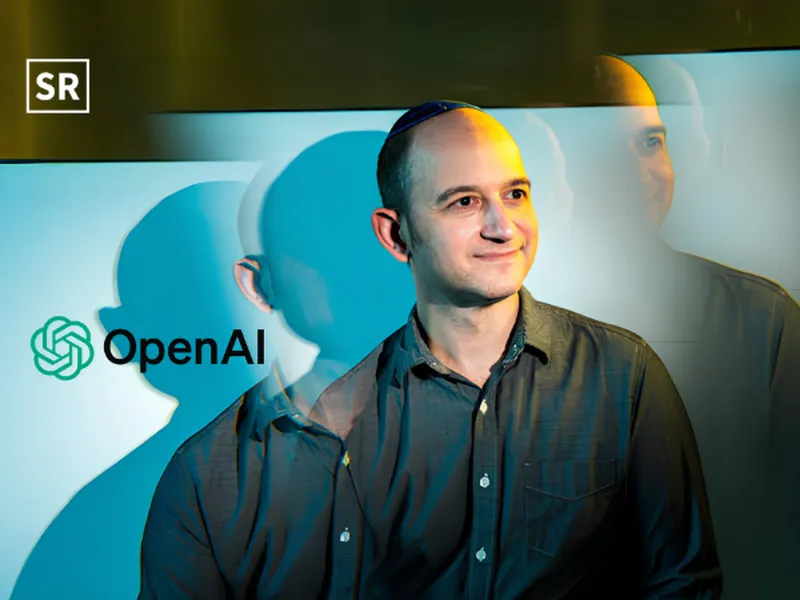
Star Google researcher Noam Shazeer joins OpenAI in a coup for ChatGPT creator
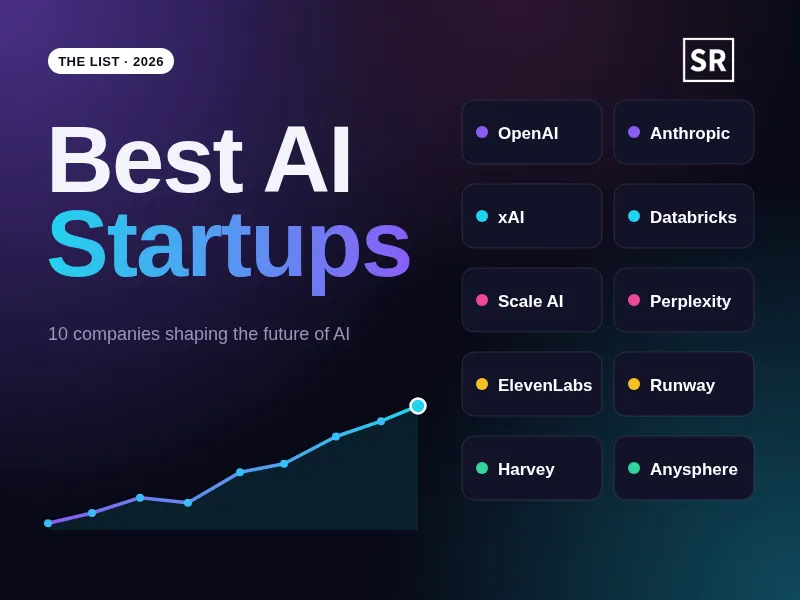
10 Best AI Startups in the USA
Future of AI: How Artificial Intelligence Could Transform the Next 10 Years
AGI Explained: How Artificial General Intelligence Could Change AI
What Companies Does Bill Gates Own? Complete List of His Investments and Businesses
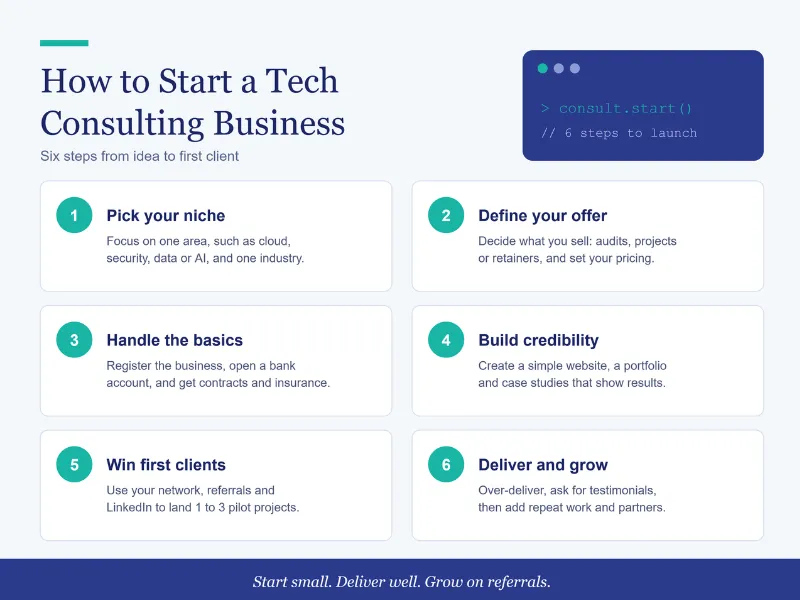
How to Start a Tech Consulting Business

Susan Dell Net Worth 2026: Business Career, Wealth and Philanthropy

Top 10 Salon Companies in the USA

