

How to Start a Food Truck Business: A Step-by-Step Guide
Nov 14, 2026 | By Devin Jacobs
 Follow us
 Follow us
Starting a food truck business can be a good opportunity for entrepreneurs who want to enter the food industry without opening a traditional restaurant. A food truck gives you the flexibility to serve customers at different locations, reach new audiences and build a food brand with a smaller setup.
However, running a successful food truck requires more than buying a vehicle and preparing good food. You need a business plan, the right location, necessary licences, suitable equipment and enough money to manage daily expenses.
If you are planning to start a food truck business in India, here are the important steps to help you get started.
1. Research the Food Truck Market
Before investing money, understand the demand for food trucks in your target area. Research popular food items, customer preferences, competitors and locations with regular footfall.
Look at office areas, colleges, shopping markets and business districts. These places may offer opportunities to attract customers during lunch breaks, evenings and weekends.
You should also study what other food trucks and restaurants are selling. This will help you identify gaps in the market and decide how your business can stand out.
For example, you could focus on affordable street food, regional dishes, healthy meals, burgers, coffee or desserts. Choose a concept that matches local demand and your cooking experience.
2. Choose Your Food Truck Concept and Menu
Your food truck concept will influence your vehicle design, equipment, pricing and marketing strategy. It is better to start with a focused menu rather than offering too many dishes.
A smaller menu makes food preparation easier, reduces ingredient waste and helps you serve customers faster.
Some popular food truck business ideas include:
- Fast food: Burgers, sandwiches, fries and wraps.
- Indian street food: Momos, chaat, rolls and pav bhaji.
- Regional food: South Indian dishes, Rajasthani snacks and local specialities.
- Beverages: Tea, coffee, fresh juices and shakes.
- Desserts: Waffles, ice cream, pancakes and baked items.
- Healthy food: Salads, fresh meals and protein bowls.
Test your menu with potential customers before launching. Ask for feedback on taste, portion sizes and prices. This will help you improve your offerings before spending heavily on equipment and ingredients.
3. Prepare a Food Truck Business Plan
A business plan gives you a clear direction and helps you estimate how much money you need. It should explain what you will sell, who your customers are and how you plan to make a profit.
Your food truck business plan should include:
- Business concept and target customers
- Menu and pricing
- Startup investment and monthly expenses
- Vehicle and kitchen equipment requirements
- Proposed operating locations
- Staff requirements
- Marketing strategy
- Expected sales and profit estimates
You should also calculate how many orders you need to sell each day to cover your expenses. Consider ingredients, fuel, staff salaries, packaging, vehicle maintenance and location charges.
A realistic business plan can help you avoid unnecessary spending and manage cash flow during the early months.
4. Calculate the Cost of Starting a Food Truck Business
The cost of starting a food truck business in India depends on the vehicle, kitchen equipment, location, menu and level of customisation.
A used vehicle may reduce your initial investment, while a new vehicle with a professionally fitted kitchen can cost considerably more. You also need to budget for branding, cooking equipment, refrigeration, licences and initial stock.
Common startup expenses include:
| Expense | What it covers |
| Vehicle | New or used commercial vehicle |
| Kitchen setup | Cooking equipment, counters and storage |
| Branding | Exterior design, menu boards and signage |
| Licences | Food safety and local permissions |
| Ingredients | Initial food and beverage stock |
| Packaging | Boxes, cups and takeaway materials |
| Marketing | Social media and launch promotions |
| Working capital | Salaries, fuel and daily expenses |
RECOMMENDED FOR YOU

Joe Wicks Net Worth in 2026: How The Body Coach Built His Fitness Business
Devin Jacobs
Oct 26, 2026

Top 8 Quantum Computing Startups in the USA to Watch in 2026
Devin Jacobs
Oct 20, 2026
There is no single fixed investment amount for every food truck. Get quotations from vehicle suppliers and kitchen fabricators before deciding your budget. Keep extra money aside for unexpected repairs and operating costs.
5. Choose the Right Vehicle and Kitchen Equipment
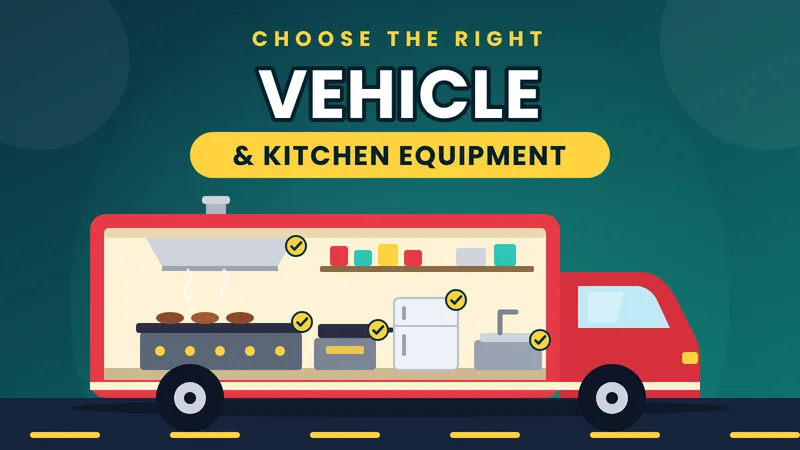
The vehicle is one of the most important investments in a food truck business. It should have enough space for food preparation, cooking, storage and safe movement of staff.
You can consider a modified mini truck, commercial van or another vehicle suitable for your menu and local requirements. Before purchasing one, check its condition, registration documents, carrying capacity and suitability for modification.
Your kitchen equipment will depend on the food you prepare. Common requirements include:
- Commercial gas stove or cooking range
- Refrigerator or freezer
- Food preparation counter
- Storage racks and containers
- Exhaust and ventilation system
- Water storage and handwashing facilities
- Fire safety equipment
- Waste collection bins
Plan the kitchen layout carefully. Staff should be able to prepare orders without unnecessary movement. Food storage should also be separate from waste and cleaning materials.
6. Obtain the Required Licences and Permissions
Getting the necessary licences is an important step before operating a food truck in India. Requirements can vary depending on your city, state, vehicle and operating location.
Some important registrations and permissions to check include:
FSSAI registration or licence: Food businesses generally need the appropriate registration or licence from the Food Safety and Standards Authority of India. The category depends on the business and applicable eligibility requirements.
Municipal permissions: You may need approval from the local municipal authority to operate at a particular public location. Rules for street vending and commercial activities differ between cities.
Vehicle documents: Make sure your vehicle has valid registration, insurance, pollution-under-control certification and other applicable transport documents. Check with the local Regional Transport Office before modifying or using the vehicle commercially.
Fire safety requirements: Depending on your kitchen setup and local rules, you may need to follow fire safety requirements and keep suitable fire extinguishers.
GST registration: Check whether your business needs GST registration based on its turnover, activities and applicable tax rules.
Do not assume that an FSSAI licence alone gives you permission to park and sell food anywhere. Confirm the requirements with the relevant authorities before choosing your operating locations.
Read Also- How to Start a Job Placement Agency: A Simple Step-by-Step Guide
7. Find a Suitable Location
Location can have a major impact on food truck sales. Choose places where your target customers regularly spend time and where you are legally allowed to operate.
You can explore office areas, college zones, shopping streets, business parks, residential communities and food festivals.
However, do not park your truck at a location simply because it has heavy footfall. Check local vending rules and obtain permission from the property owner, event organiser or relevant authority.
Also consider parking access, customer space, electricity, water supply and waste disposal facilities. Testing different permitted locations can help you understand where your business receives the most orders.
8. Hire Staff and Maintain Food Safety
You may be able to manage a small food truck yourself at the beginning. However, additional staff can help when customer orders increase.
Depending on your menu, you may need a cook, kitchen assistant and cashier. Train everyone to follow basic food hygiene practices.
Use clean water, store ingredients at suitable temperatures, keep raw and cooked food separate and clean preparation surfaces regularly.
Create simple procedures for handling orders, managing stock and disposing of waste. Consistent food quality and cleanliness can help build customer trust and encourage repeat visits.
9. Set Your Prices and Manage Expenses
Your prices should cover ingredient costs, packaging, staff, fuel, maintenance and other operating expenses while leaving enough profit for the business.
Calculate the cost of preparing each menu item before deciding its selling price. Include ingredients, sauces, cooking oil and packaging in the calculation.
Track daily sales and expenses from the first day. Monitor which items sell well and which ingredients are frequently wasted. If a dish is not selling, consider changing its price, portion size or position on the menu.
Keep some working capital aside because building a regular customer base can take time.
10. Promote Your Food Truck Business
Marketing helps people discover your food truck and know where to find it. Start by creating social media pages with your business name, menu, prices, photographs and contact details.
Share your daily location and operating hours so customers can plan their visits. Post short videos of food preparation, new dishes and customer feedback.
You can also promote your business through local food bloggers, community groups and online food discovery platforms.
Other useful promotional ideas include offering introductory discounts, creating meal combos, providing loyalty rewards and partnering with offices or event organisers.
Encourage customers to leave online reviews. Positive feedback can help attract new customers and build your reputation.
Conclusion
Starting a food truck business in India requires planning, investment and an understanding of local regulations. From choosing a food concept and buying a suitable vehicle to obtaining licences and finding the right location, every step plays a role in building a sustainable business.
Focus on a simple menu, consistent food quality, clean operations and good customer service. Track your expenses and make decisions based on actual sales. With the right preparation and regular improvements, a food truck can grow into a recognised local food brand.
FAQs
1. How much investment is needed to start a food truck business in India?
The investment depends on the vehicle, kitchen equipment, branding, licences and working capital. A used vehicle with a basic kitchen setup may cost less than a new, fully customised food truck.
2. Is an FSSAI licence required for a food truck?
Yes. Food businesses generally need the appropriate FSSAI registration or licence. The category depends on the business and its applicable eligibility requirements.
3. Can I park my food truck anywhere?
No. You may need permission from the local municipal authority, property owner or event organiser. Rules vary by city and location.
4. What food sells well in a food truck?
Burgers, sandwiches, momos, rolls, regional snacks, beverages and desserts are popular options. The best menu depends on local demand, competition and preparation costs.
Recommended Stories for You

Devin Jacobs Dec 6, 2025

Devin Jacobs Dec 30, 2025

Devin Jacobs Oct 7, 2026

Devin Jacobs Sep 19, 2026

Devin Jacobs Dec 29, 2023
Devin Jacobs Oct 24, 2026
Trending Stories
Top 8 Quantum Computing Startups in the USA to Watch in 2026
Joe Wicks Net Worth in 2026: How The Body Coach Built His Fitness Business

What Companies Does Bill Gates Own? Complete List of His Investments and Businesses
Top 10 Facility Management Companies in the World (2026)
How Much Does It Cost to Register for VAT in the UK? Fees, Rules and Requirements in 2026

How to Start a Job Placement Agency: A Simple Step-by-Step Guide
Cheapest POS System for Small Business UK: Best Affordable Options in 2026
Best Card Reader for Small Business: Top 5 Options Compared

